used before a singular noun to mean one of a group, when it is not a particular one
From this reading This book is a translation from the French original by Jules Verne.
adventurersnounUS /ædˈventʃərərz/
plural of “adventurer” — a person who enjoys taking risks
From this reading A party of British adventurers, who had been ballooning, but whose trip had ended by being cast away on a Pacific island, have various setbacks due to both pirates and convicts who had escaped from jails in mainland Australasia.
used to join words or parts of a sentence that go together
From this reading A party of British adventurers, who had been ballooning, but whose trip had ended by being cast away on a Pacific island, have various setbacks due to both pirates and convicts who had escaped from jails in mainland Australasia.
AustralasianounUS /ˌɔːstrəˈleɪʒə/
Australia, New Zealand, and neighboring islands in the South Pacific
From this reading A party of British adventurers, who had been ballooning, but whose trip had ended by being cast away on a Pacific island, have various setbacks due to both pirates and convicts who had escaped from jails in mainland Australasia.
from a particular thing or place or position (“forth” is obsolete)
From this reading A party of British adventurers, who had been ballooning, but whose trip had ended by being cast away on a Pacific island, have various setbacks due to both pirates and convicts who had escaped from jails in mainland Australasia.
ballooningnounUS /bəˈluːnɪŋ/
flying in a balloon
From this reading A party of British adventurers, who had been ballooning, but whose trip had ended by being cast away on a Pacific island, have various setbacks due to both pirates and convicts who had escaped from jails in mainland Australasia.
beenauxiliary verbUS /bɪn/
the past participle of “be”
From this reading In fact several of Kingston's significant contributions to English literature have been translations, "The Swiss Family Robinson" being one such.
beingauxiliary verbUS /ˈbiːɪŋ/
the -ing form of “be”
From this reading In fact several of Kingston's significant contributions to English literature have been translations, "The Swiss Family Robinson" being one such.
a written work or composition that has been published (printed on pages bound together)
From this reading This book is a translation from the French original by Jules Verne.
the two together, not just one
From this reading A party of British adventurers, who had been ballooning, but whose trip had ended by being cast away on a Pacific island, have various setbacks due to both pirates and convicts who had escaped from jails in mainland Australasia.
the people of Great Britain
From this reading A party of British adventurers, who had been ballooning, but whose trip had ended by being cast away on a Pacific island, have various setbacks due to both pirates and convicts who had escaped from jails in mainland Australasia.
used to introduce something that contrasts with what came before
From this reading A party of British adventurers, who had been ballooning, but whose trip had ended by being cast away on a Pacific island, have various setbacks due to both pirates and convicts who had escaped from jails in mainland Australasia.
showing who or what does the action
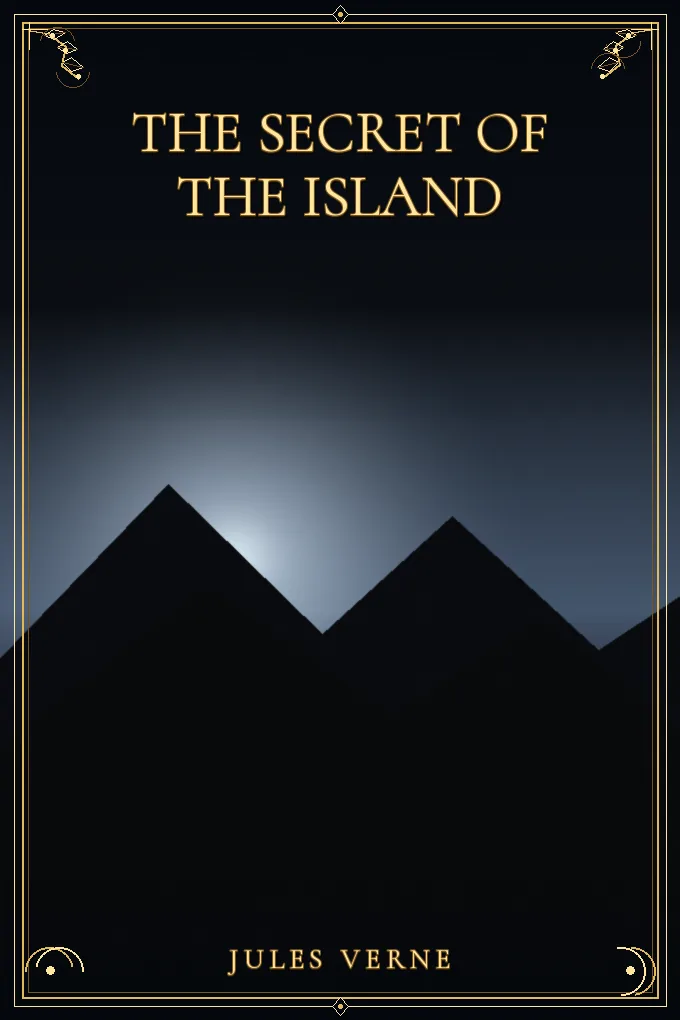
From this reading The Secret of the Island, by W.H.G. Kingston (translation from Jules Verne).
put or send forth
From this reading A party of British adventurers, who had been ballooning, but whose trip had ended by being cast away on a Pacific island, have various setbacks due to both pirates and convicts who had escaped from jails in mainland Australasia.
contributionsnounUS /ˌkɑːntrəˈbjuːʃənz/
plural of “contribution” — the effort contributed by a person in bringing about a result
From this reading In fact several of Kingston's significant contributions to English literature have been translations, "The Swiss Family Robinson" being one such.
convictsnounUS /ˈkɑːnvɪkts/
plural of “convict” — a person serving a sentence in a jail or prison
From this reading A party of British adventurers, who had been ballooning, but whose trip had ended by being cast away on a Pacific island, have various setbacks due to both pirates and convicts who had escaped from jails in mainland Australasia.
owed and payable immediately or on demand
From this reading A party of British adventurers, who had been ballooning, but whose trip had ended by being cast away on a Pacific island, have various setbacks due to both pirates and convicts who had escaped from jails in mainland Australasia.
endedadjectiveUS /ˈendəd/
having come or been brought to a conclusion
From this reading A party of British adventurers, who had been ballooning, but whose trip had ended by being cast away on a Pacific island, have various setbacks due to both pirates and convicts who had escaped from jails in mainland Australasia.
an Indo-European language belonging to the West Germanic branch; the official language of Britain and the United States and most of the commonwealth countries
From this reading In fact several of Kingston's significant contributions to English literature have been translations, "The Swiss Family Robinson" being one such.
having escaped, especially from confinement
From this reading A party of British adventurers, who had been ballooning, but whose trip had ended by being cast away on a Pacific island, have various setbacks due to both pirates and convicts who had escaped from jails in mainland Australasia.
a piece of information about circumstances that exist or events that have occurred
From this reading In fact several of Kingston's significant contributions to English literature have been translations, "The Swiss Family Robinson" being one such.
a social unit living together
From this reading In fact several of Kingston's significant contributions to English literature have been translations, "The Swiss Family Robinson" being one such.
the Romance language spoken in France and in countries colonized by France
From this reading This book is a translation from the French original by Jules Verne.
showing where something starts, or who sent it
From this reading The Secret of the Island, by W.H.G. Kingston (translation from Jules Verne).
a metric unit of weight equal to one thousandth of a kilogram
From this reading The Secret of the Island, by W.H.G. Kingston (translation from Jules Verne).
a nonmetallic univalent element that is normally a colorless and odorless highly flammable diatomic gas; the simplest and lightest and most abundant element in the universe
From this reading The Secret of the Island, by W.H.G. Kingston (translation from Jules Verne).
hadauxiliary verbUS /hæd/
the past form of “have”, used to form the past perfect
From this reading A party of British adventurers, who had been ballooning, but whose trip had ended by being cast away on a Pacific island, have various setbacks due to both pirates and convicts who had escaped from jails in mainland Australasia.
haveauxiliary verbUS /hæv/
used with a past participle to form the perfect tenses
From this reading In fact several of Kingston's significant contributions to English literature have been translations, "The Swiss Family Robinson" being one such.
inside something, or within a place, period, or state
From this reading In fact several of Kingston's significant contributions to English literature have been translations, "The Swiss Family Robinson" being one such.
the form of “be” used with he, she, it, or a singular noun
From this reading This book is a translation from the French original by Jules Verne.
a land mass (smaller than a continent) that is surrounded by water
From this reading The Secret of the Island, by W.H.G. Kingston (translation from Jules Verne).
jailsnounUS /dʒeɪlz/
plural of “jail” — a correctional institution used to detain persons who are in the lawful custody of the government (either accused persons awaiting trial or convicted persons serving a sentence)
From this reading A party of British adventurers, who had been ballooning, but whose trip had ended by being cast away on a Pacific island, have various setbacks due to both pirates and convicts who had escaped from jails in mainland Australasia.
Jules
Dictionary entry pending editorial verification. Tap Listen to hear the word.
From this reading The Secret of the Island, by W.H.G. Kingston (translation from Jules Verne).
KingstonnounUS /ˈkɪŋstən/
a town on the Hudson River in New York
From this reading The Secret of the Island, by W.H.G. Kingston (translation from Jules Verne).
Kingston's
Dictionary entry pending editorial verification. Tap Listen to hear the word.
From this reading In fact several of Kingston's significant contributions to English literature have been translations, "The Swiss Family Robinson" being one such.
LeaguesnounUS /liːɡz/
plural of “league” — an association of sports teams that organizes matches for its members
From this reading This book is a sequel to "Twenty Thousand Leagues Under The Sea".
creative writing of recognized artistic value
From this reading In fact several of Kingston's significant contributions to English literature have been translations, "The Swiss Family Robinson" being one such.
mainlandnounUS /ˈmeɪnlænd/
the main land mass of a country or continent; as distinguished from an island or peninsula
From this reading A party of British adventurers, who had been ballooning, but whose trip had ended by being cast away on a Pacific island, have various setbacks due to both pirates and convicts who had escaped from jails in mainland Australasia.
belonging to, or connected with, somebody or something
From this reading The Secret of the Island, by W.H.G. Kingston (translation from Jules Verne).
touching and supported by a surface
From this reading A party of British adventurers, who had been ballooning, but whose trip had ended by being cast away on a Pacific island, have various setbacks due to both pirates and convicts who had escaped from jails in mainland Australasia.
used to mean any person in general, including the speaker
From this reading In fact several of Kingston's significant contributions to English literature have been translations, "The Swiss Family Robinson" being one such.
preceding all others in time or being as first made or performed
From this reading This book is a translation from the French original by Jules Verne.
PacificnounUS /pəˈsɪfɪk/
the largest ocean in the world
From this reading A party of British adventurers, who had been ballooning, but whose trip had ended by being cast away on a Pacific island, have various setbacks due to both pirates and convicts who had escaped from jails in mainland Australasia.
an organization to gain political power
From this reading A party of British adventurers, who had been ballooning, but whose trip had ended by being cast away on a Pacific island, have various setbacks due to both pirates and convicts who had escaped from jails in mainland Australasia.
piratesnounUS /ˈpaɪrəts/
plural of “pirate” — someone who uses another person's words or ideas as if they were his own
From this reading A party of British adventurers, who had been ballooning, but whose trip had ended by being cast away on a Pacific island, have various setbacks due to both pirates and convicts who had escaped from jails in mainland Australasia.
RobinsonnounUS /ˈrɑːbənsən/
English chemist noted for his studies of molecular structures in plants (1886-1975)
From this reading In fact several of Kingston's significant contributions to English literature have been translations, "The Swiss Family Robinson" being one such.
a division of an ocean or a large body of salt water partially enclosed by land
From this reading This book is a sequel to "Twenty Thousand Leagues Under The Sea".
Something that is kept or meant to be kept unknown or unseen by others.
From this reading The Secret of the Island, by W.H.G. Kingston (translation from Jules Verne).
sequelnounUS /ˈsiːkwəl/
something that follows something else
From this reading This book is a sequel to "Twenty Thousand Leagues Under The Sea".
setbacksnounUS /ˈsetbæks/
plural of “setback” — an unfortunate happening that hinders or impedes; something that is thwarting or frustrating
From this reading A party of British adventurers, who had been ballooning, but whose trip had ended by being cast away on a Pacific island, have various setbacks due to both pirates and convicts who had escaped from jails in mainland Australasia.
(used with count nouns) of an indefinite number more than 2 or 3 but not many
From this reading In fact several of Kingston's significant contributions to English literature have been translations, "The Swiss Family Robinson" being one such.
significantadjectiveUS /səɡˈnɪfɪkənt/
important in effect or meaning
From this reading In fact several of Kingston's significant contributions to English literature have been translations, "The Swiss Family Robinson" being one such.
of the kind already mentioned
From this reading In fact several of Kingston's significant contributions to English literature have been translations, "The Swiss Family Robinson" being one such.
SwissnounUS /swɪs/
the natives or inhabitants of Switzerland
From this reading In fact several of Kingston's significant contributions to English literature have been translations, "The Swiss Family Robinson" being one such.
used before a noun that is already known, already mentioned, or the only one of its kind
From this reading The Secret of the Island, by W.H.G. Kingston (translation from Jules Verne).
used for a person or thing that is near, or that has just been mentioned
From this reading This book is a translation from the French original by Jules Verne.
the cardinal number that is the product of 10 and 100
From this reading This book is a sequel to "Twenty Thousand Leagues Under The Sea".
used before the base form of a verb to make the infinitive
From this reading In fact several of Kingston's significant contributions to English literature have been translations, "The Swiss Family Robinson" being one such.
translationnounUS /trænzˈleɪʃən/
a written communication in a second language having the same meaning as the written communication in a first language
From this reading The Secret of the Island, by W.H.G. Kingston (translation from Jules Verne).
translationsnounUS /trænzˈleɪʃənz/
plural of “translation” — a written communication in a second language having the same meaning as the written communication in a first language
From this reading In fact several of Kingston's significant contributions to English literature have been translations, "The Swiss Family Robinson" being one such.
a journey for some purpose (usually including the return)
From this reading A party of British adventurers, who had been ballooning, but whose trip had ended by being cast away on a Pacific island, have various setbacks due to both pirates and convicts who had escaped from jails in mainland Australasia.
the cardinal number that is the sum of nineteen and one
From this reading This book is a sequel to "Twenty Thousand Leagues Under The Sea".
UnderprepositionUS /ˈʌndər/
below or beneath something; less than
From this reading This book is a sequel to "Twenty Thousand Leagues Under The Sea".
of many different kinds purposefully arranged but lacking any uniformity
From this reading A party of British adventurers, who had been ballooning, but whose trip had ended by being cast away on a Pacific island, have various setbacks due to both pirates and convicts who had escaped from jails in mainland Australasia.
VernenounUS /vɜːrn/
French writer who is considered the father of science fiction (1828-1905)
From this reading The Secret of the Island, by W.H.G. Kingston (translation from Jules Verne).
a heavy grey-white metallic element; the pure form is used mainly in electrical applications; it is found in several ores including wolframite and scheelite
From this reading The Secret of the Island, by W.H.G. Kingston (translation from Jules Verne).
which person or people
From this reading A party of British adventurers, who had been ballooning, but whose trip had ended by being cast away on a Pacific island, have various setbacks due to both pirates and convicts who had escaped from jails in mainland Australasia.
belonging to which person
From this reading A party of British adventurers, who had been ballooning, but whose trip had ended by being cast away on a Pacific island, have various setbacks due to both pirates and convicts who had escaped from jails in mainland Australasia.