Complete classic literature • Five-line readings • Clear US narration
VELMORA ACADEMY
Academy of Archival Languages & Memory Studies
Menu Close
The silent places
The silent places

Chapter IX · Chapter 9

Chapter 9 of The silent places is here in full — 411 sentences across 83 reading sections, with audio for every sentence and word.

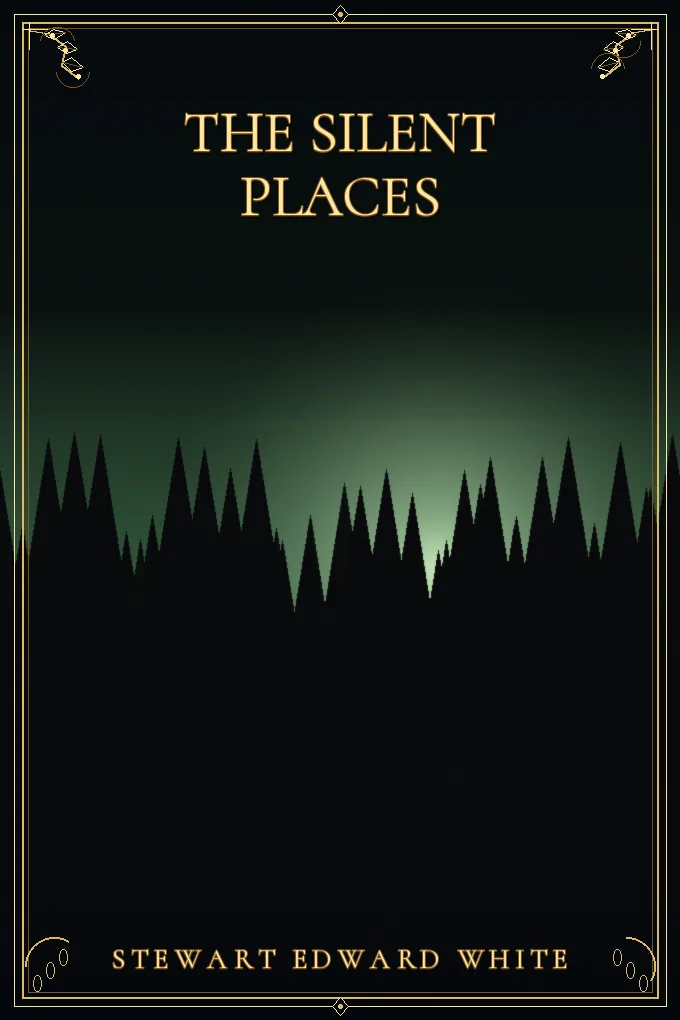
Cover illustration for The silent places
Context Illustration Reading 1/82 · 5 lines
English subtitles · tap any word to listen 1 / 5
He threw his hands up with a gesture of abandonment.
Then without a word, grim and terrible, he put his head down and started.
He never looked back.
Madness held him.
Finesse, saving, the crafty utilising of small advantages had had their day.
0:00 / 0:00
Speed 0.75x
AI-generated narration by OpenAI · Slow US English
LEARNER DICTIONARY
Archivist
/ˈɑːrkɪvɪst/
Editorial verification pending

A keeper or guardian of historical records and memories.

The silent places

Chapter IX · Chapter 9

Chapter 9 of The silent places is here in full — 411 sentences across 83 reading sections, with audio for every sentence and word.

Reading 1/82 · 5 reading units · Lines 1–5

Line 1
He threw his hands up with a gesture of abandonment.
/hiː θruː hɪz hændz ʌp wɪð ə ˈdʒestʃər ʌv əˈbændənmənt/
Line 2
Then without a word, grim and terrible, he put his head down and started.
/ðen wɪˈθaʊt ə wɜːrd ɡrɪm ənd ˈterəbəl hiː pʊt hɪz hed daʊn ənd ˈstɑːrtɪd/
Line 3
He never looked back.
/hiː ˈnevər lʊkt bæk/
Line 4
Madness held him.
/ˈmædnəs held hɪm/
Line 5
Finesse, saving, the crafty utilising of small advantages had had their day.

Learner Dictionary

These definitions explain words found in the current reading and keep every example grounded in its original sentence.

Oxford-style entry order: headword, part of speech, US IPA, concise definition, contextual example, and audio.

abandonment noun US /əˈbændənmənt/

the act of giving something up

From this reading “He threw his hands up with a gesture of abandonment.”

advantages noun US /ædˈvæntɪdʒɪz/

plural of “advantage” — the quality of having a superior or more favorable position

From this reading “Finesse, saving, the crafty utilising of small advantages had had their day.”

crafty adjective US /ˈkræfti/

marked by skill in deception

From this reading “Finesse, saving, the crafty utilising of small advantages had had their day.”

Finesse noun US /fɪˈnes/

subtly skillful handling of a situation

From this reading “Finesse, saving, the crafty utilising of small advantages had had their day.”

gesture noun US /ˈdʒestʃər/

motion of hands or body to emphasize or help to express a thought or feeling

From this reading “He threw his hands up with a gesture of abandonment.”

grim adjective US /ɡrɪm/

not to be placated or appeased or moved by entreaty

From this reading “Then without a word, grim and terrible, he put his head down and started.”

Madness noun US /ˈmædnəs/

obsolete terms for legal insanity

From this reading “Madness held him.”

saving noun US /ˈseɪvɪŋ/

an act of economizing; reduction in cost

From this reading “Finesse, saving, the crafty utilising of small advantages had had their day.”

All words in this reading · 36

Every word in these five lines is listed here, and every one of them can be played on its own.

Dictionary details are shown only when verified; these are not licensed Oxford entries.

adeterminerUS /ə/

used before a singular noun to mean one of a group, when it is not a particular one

From this reading He threw his hands up with a gesture of abandonment.

abandonmentnounUS /əˈbændənmənt/

the act of giving something up

From this reading He threw his hands up with a gesture of abandonment.

advantagesnounUS /ædˈvæntɪdʒɪz/

plural of “advantage” — the quality of having a superior or more favorable position

From this reading Finesse, saving, the crafty utilising of small advantages had had their day.

andconjunctionUS /ənd/

used to join words or parts of a sentence that go together

From this reading Then without a word, grim and terrible, he put his head down and started.

backadverbUS /bæk/

in or to or toward a former location

From this reading He never looked back.

craftyadjectiveUS /ˈkræfti/

marked by skill in deception

From this reading Finesse, saving, the crafty utilising of small advantages had had their day.

daynounUS /deɪ/

time for Earth to make a complete rotation on its axis

From this reading Finesse, saving, the crafty utilising of small advantages had had their day.

downadjectiveUS /daʊn/

being or moving lower in position or less in some value

From this reading Then without a word, grim and terrible, he put his head down and started.

FinessenounUS /fɪˈnes/

subtly skillful handling of a situation

From this reading Finesse, saving, the crafty utilising of small advantages had had their day.

gesturenounUS /ˈdʒestʃər/

motion of hands or body to emphasize or help to express a thought or feeling

From this reading He threw his hands up with a gesture of abandonment.

grimadjectiveUS /ɡrɪm/

not to be placated or appeased or moved by entreaty

From this reading Then without a word, grim and terrible, he put his head down and started.

hadauxiliary verbUS /hæd/

the past form of “have”, used to form the past perfect

From this reading Finesse, saving, the crafty utilising of small advantages had had their day.

handsnounUS /hændz/

(with “in”) guardianship over; in divorce cases it is the right to house and care for and discipline a child

From this reading He threw his hands up with a gesture of abandonment.

HepronounUS /hiː/

a man, boy, or male animal already mentioned, as the subject

From this reading He threw his hands up with a gesture of abandonment.

headnounUS /hed/

the upper part of the human body or the front part of the body in animals; contains the face and brains

From this reading Then without a word, grim and terrible, he put his head down and started.

heldadjectiveUS /held/

occupied or in the control of; often used in combination

From this reading Madness held him.

himpronounUS /hɪm/

the male already mentioned, as the object of a verb or preposition

From this reading Madness held him.

hisdeterminerUS /hɪz/

belonging to a man, boy, or male animal already mentioned

From this reading He threw his hands up with a gesture of abandonment.

lookedverbUS /lʊkt/

past form of “look” — perceive with attention; direct one's gaze towards

From this reading He never looked back.

MadnessnounUS /ˈmædnəs/

obsolete terms for legal insanity

From this reading Madness held him.

neveradverbUS /ˈnevər/

not ever; at no time in the past or future

From this reading He never looked back.

ofprepositionUS /ʌv/

belonging to, or connected with, somebody or something

From this reading He threw his hands up with a gesture of abandonment.

putverbUS /pʊt/

put into a certain place or abstract location

From this reading Then without a word, grim and terrible, he put his head down and started.

savingnounUS /ˈseɪvɪŋ/

an act of economizing; reduction in cost

From this reading Finesse, saving, the crafty utilising of small advantages had had their day.

smalladjectiveUS /smɔːl/

limited or below average in number or quantity or magnitude or extent

From this reading Finesse, saving, the crafty utilising of small advantages had had their day.

startedverbUS /ˈstɑːrtɪd/

past form of “start” — take the first step or steps in carrying out an action

From this reading Then without a word, grim and terrible, he put his head down and started.

terribleadjectiveUS /ˈterəbəl/

causing fear or dread or terror

From this reading Then without a word, grim and terrible, he put his head down and started.

thedeterminerUS /ðə/

used before a noun that is already known, already mentioned, or the only one of its kind

From this reading Finesse, saving, the crafty utilising of small advantages had had their day.

theirdeterminerUS /ðer/

belonging to the people or things already mentioned

From this reading Finesse, saving, the crafty utilising of small advantages had had their day.

ThenadverbUS /ðen/

subsequently or soon afterward (often used as sentence connectors)

From this reading Then without a word, grim and terrible, he put his head down and started.

threwverbUS /θruː/

inflected form of “throw” — propel through the air

From this reading He threw his hands up with a gesture of abandonment.

upadjectiveUS /ʌp/

being or moving higher in position or greater in some value; being above a former position or level

From this reading He threw his hands up with a gesture of abandonment.

utilising

Dictionary entry pending editorial verification. Tap Listen to hear the word.

From this reading Finesse, saving, the crafty utilising of small advantages had had their day.

withprepositionUS /wɪð/

in the company of; together with

From this reading He threw his hands up with a gesture of abandonment.

withoutprepositionUS /wɪˈθaʊt/

not having, not using, or not accompanied by

From this reading Then without a word, grim and terrible, he put his head down and started.

wordnounUS /wɜːrd/

a unit of language that native speakers can identify

From this reading Then without a word, grim and terrible, he put his head down and started.

Chapter 9 of The silent places by Stewart Edward White holds 411 sentences, grouped into 83 reading sections of at most 5 sentences. The text is the source edition, unabridged, and the chapter records which sentences cover which part of the work so that nothing is dropped. Every word can be tapped for its pronunciation and dictionary entry.

What does chapter 9 of The silent places contain?

Chapter 9 holds 411 sentences of The silent places, unabridged, divided into 83 reading sections.

This page carries chapter 9 of The silent places by Stewart Edward White exactly as it stands in the source edition, without abridgement. It runs to 411 sentences, grouped into 83 sections of at most 5 sentences so that a reader can take the chapter in steady, finishable pieces. The chapter also stores a coverage record mapping every one of its sentences to a part of the work, which is how the edition demonstrates that no line was dropped.

How do I study chapter 9 of The silent places?

Work through the 83 sections in order, replaying any sentence and tapping unfamiliar words for their entries.

Each of the 83 sections in this chapter is short enough to read once, hear once, and then re-read with the vocabulary in view. Tapping a word plays it alone and opens its dictionary entry with IPA, part of speech and meaning, so the reader is never forced to guess a pronunciation from spelling. Working section by section keeps a long chapter from becoming an undifferentiated wall of text, which is the usual reason a reader abandons a work of this period.

Can chapter 9 be read aloud to me?

Yes — every sentence and every individual word in chapter 9 can be played aloud in United States English.

Audio covers the whole chapter: any sentence can be played, and any single word within it can be played on its own. The voice uses United States English. For a work of this period that matters, because spelling is an unreliable guide to pronunciation for vocabulary that has fallen out of daily use, and a learner who guesses wrong tends to keep the error. Hearing the word in its own sentence, and then alone, settles it.

Questions about reading The silent places

Common questions about reading The silent places by Stewart Edward White on this page, its source edition and its audio.

Is this the complete text of The silent places?

Yes. All 3781 sentences of Project Gutenberg eBook #14960 are kept, with a record of which sentences cover which part.

Which edition of The silent places is used?

Project Gutenberg eBook #14960, unabridged. The Project Gutenberg header, footer and licence are removed.

How long does The silent places take to read?

About 315 minutes of reading across 757 sections of 5 sentences each, at an unhurried pace.

How to read The silent places section by section

How to work through The silent places section by section, using the audio and the tap-to-define vocabulary.

  1. Open a chapter

    Choose one of the 9 chapters of The silent places to begin.

  2. Read one section

    Each section holds 5 sentences; read it once through.

  3. Listen and tap

    Play the section aloud, then tap any unfamiliar word for its entry.

Vocabulary met early in The silent places

Words and structures a reader meets early in The silent places, each tappable for pronunciation and meaning.

Mcclure
A word that appears in the opening chapter of The silent places; the reader can tap it to hear it and see its dictionary entry.
Phillips
A word that appears in the opening chapter of The silent places; the reader can tap it to hear it and see its dictionary entry.
Woodsmen
A word that appears in the opening chapter of The silent places; the reader can tap it to hear it and see its dictionary entry.
Simultaneous
A word that appears in the opening chapter of The silent places; the reader can tap it to hear it and see its dictionary entry.