Complete classic literature • Five-line readings • Clear US narration
VELMORA ACADEMY
Academy of Archival Languages & Memory Studies
Menu Close
The Son of Monte-Cristo

Chapter XXXVI · Chapter 36

Chapter 36 of The Son of Monte-Cristo is here in full — 151 sentences across 31 reading sections, with audio for every sentence and word.

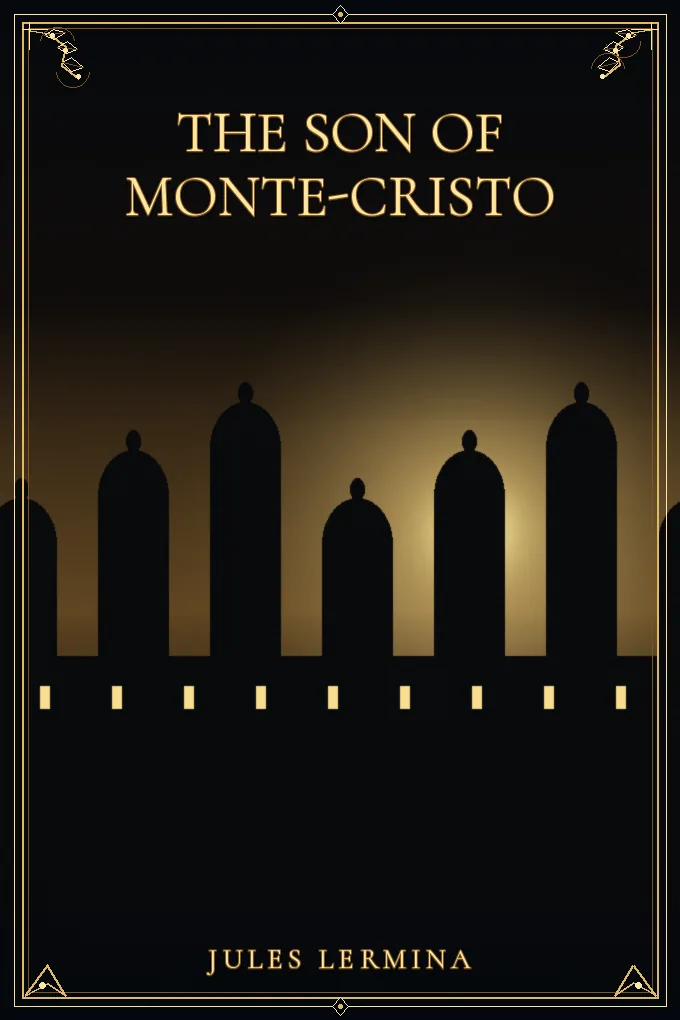
Cover illustration for The Son of Monte-Cristo
Context Illustration Reading 1/30 · 5 lines
English subtitles · tap any word to listen 1 / 5
ESPERANCE GOES TO COURBERRIE.
Twenty years since Courberrie was very far from what it is to-day.
The houses were scattered and much fewer.
Along the Seine extended deserted fields, against which the sullen tide rose and fell.
In one of these fields stood an old wooden house which was not inhabited, for both wind and rain penetrated its roof and walls.
0:00 / 0:00
Speed 0.75x
AI-generated narration by OpenAI · Slow US English
LEARNER DICTIONARY
Archivist
/ˈɑːrkɪvɪst/
Editorial verification pending

A keeper or guardian of historical records and memories.

The Son of Monte-Cristo

Chapter XXXVI · Chapter 36

Chapter 36 of The Son of Monte-Cristo is here in full — 151 sentences across 31 reading sections, with audio for every sentence and word.

Reading 1/30 · 5 reading units · Lines 1–5

Line 1
ESPERANCE GOES TO COURBERRIE.
Line 2
Twenty years since Courberrie was very far from what it is to-day.
Line 3
The houses were scattered and much fewer.
/ðə ˈhaʊsəz wɜːr ˈskætərd ənd mʌtʃ ˈfjuːər/
Line 4
Along the Seine extended deserted fields, against which the sullen tide rose and fell.
/əˈlɔːŋ ðə seɪn ɪkˈstendəd dɪˈzɜːrtɪd fiːldz əˈɡenst wɪtʃ ðə ˈsʌlən taɪd roʊz ənd fel/
Line 5
In one of these fields stood an old wooden house which was not inhabited, for both wind and rain penetrated its roof and walls.
/ɪn wʌn ʌv ðiːz fiːldz stʊd æn oʊld ˈwʊdən haʊs wɪtʃ wɑːz nɑːt ˌɪnˈhæbətəd fɔːr boʊθ waɪnd ənd reɪn ˈpenətreɪtɪd ɪts ruːf ənd wɔːlz/

Learner Dictionary

These definitions explain words found in the current reading and keep every example grounded in its original sentence.

Oxford-style entry order: headword, part of speech, US IPA, concise definition, contextual example, and audio.

extended adjective US /ɪkˈstendəd/

relatively long in duration; tediously protracted

From this reading “Along the Seine extended deserted fields, against which the sullen tide rose and fell.”

fewer adjective US /ˈfjuːər/

(comparative of “few” used with count nouns) quantifier meaning a smaller number of

From this reading “The houses were scattered and much fewer.”

inhabited adjective US /ˌɪnˈhæbətəd/

having inhabitants; lived in

From this reading “In one of these fields stood an old wooden house which was not inhabited, for both wind and rain penetrated its roof and walls.”

penetrated verb US /ˈpenətreɪtɪd/

past form of “penetrate” — pass into or through, often by overcoming resistance

From this reading “In one of these fields stood an old wooden house which was not inhabited, for both wind and rain penetrated its roof and walls.”

scattered adjective US /ˈskætərd/

occurring or distributed over widely spaced and irregular intervals in time or space

From this reading “The houses were scattered and much fewer.”

Seine noun US /seɪn/

a French river that flows through the heart of Paris and then northward into the English Channel

From this reading “Along the Seine extended deserted fields, against which the sullen tide rose and fell.”

sullen adjective US /ˈsʌlən/

showing a brooding ill humor

From this reading “Along the Seine extended deserted fields, against which the sullen tide rose and fell.”

tide noun US /taɪd/

the periodic rise and fall of the sea level under the gravitational pull of the moon

From this reading “Along the Seine extended deserted fields, against which the sullen tide rose and fell.”

All words in this reading · 52

Every word in these five lines is listed here, and every one of them can be played on its own.

Dictionary details are shown only when verified; these are not licensed Oxford entries.

againstprepositionUS /əˈɡenst/

touching and pressing; in opposition to

From this reading Along the Seine extended deserted fields, against which the sullen tide rose and fell.

AlongprepositionUS /əˈlɔːŋ/

following the length of something from one end toward the other

From this reading Along the Seine extended deserted fields, against which the sullen tide rose and fell.

andeterminerUS /æn/

the form of “a” used before a word that begins with a vowel sound

From this reading In one of these fields stood an old wooden house which was not inhabited, for both wind and rain penetrated its roof and walls.

andconjunctionUS /ənd/

used to join words or parts of a sentence that go together

From this reading The houses were scattered and much fewer.

bothdeterminerUS /boʊθ/

the two together, not just one

From this reading In one of these fields stood an old wooden house which was not inhabited, for both wind and rain penetrated its roof and walls.

COURBERRIE

Dictionary entry pending editorial verification. Tap Listen to hear the word.

From this reading ESPERANCE GOES TO COURBERRIE.

desertedadjectiveUS /dɪˈzɜːrtɪd/

forsaken by owner or inhabitants

From this reading Along the Seine extended deserted fields, against which the sullen tide rose and fell.

ESPERANCE

Dictionary entry pending editorial verification. Tap Listen to hear the word.

From this reading ESPERANCE GOES TO COURBERRIE.

extendedadjectiveUS /ɪkˈstendəd/

relatively long in duration; tediously protracted

From this reading Along the Seine extended deserted fields, against which the sullen tide rose and fell.

faradverbUS /fɑːr/

to a considerable degree; very much

From this reading Twenty years since Courberrie was very far from what it is to-day.

fellverbUS /fel/

cause to fall by or as if by delivering a blow

From this reading Along the Seine extended deserted fields, against which the sullen tide rose and fell.

feweradjectiveUS /ˈfjuːər/

(comparative of “few” used with count nouns) quantifier meaning a smaller number of

From this reading The houses were scattered and much fewer.

fieldsnounUS /fiːldz/

United States comedian and film actor (1880-1946)

From this reading Along the Seine extended deserted fields, against which the sullen tide rose and fell.

forprepositionUS /fɔːr/

intended to be given to, or used by, somebody

From this reading In one of these fields stood an old wooden house which was not inhabited, for both wind and rain penetrated its roof and walls.

fromprepositionUS /frʌm/

showing where something starts, or who sent it

From this reading Twenty years since Courberrie was very far from what it is to-day.

GOESnounUS /ɡoʊz/

plural of “go” — a time period for working (after which you will be relieved by someone else)

From this reading ESPERANCE GOES TO COURBERRIE.

housenounUS /haʊs/

a dwelling that serves as living quarters for one or more families

From this reading In one of these fields stood an old wooden house which was not inhabited, for both wind and rain penetrated its roof and walls.

housesnounUS /ˈhaʊsəz/

plural of “house” — a dwelling that serves as living quarters for one or more families

From this reading The houses were scattered and much fewer.

InprepositionUS /ɪn/

inside something, or within a place, period, or state

From this reading In one of these fields stood an old wooden house which was not inhabited, for both wind and rain penetrated its roof and walls.

inhabitedadjectiveUS /ˌɪnˈhæbətəd/

having inhabitants; lived in

From this reading In one of these fields stood an old wooden house which was not inhabited, for both wind and rain penetrated its roof and walls.

isauxiliary verbUS /ɪz/

the form of “be” used with he, she, it, or a singular noun

From this reading Twenty years since Courberrie was very far from what it is to-day.

itpronounUS /ɪt/

a thing, animal, or idea already mentioned

From this reading Twenty years since Courberrie was very far from what it is to-day.

itsdeterminerUS /ɪts/

belonging to the thing or animal already mentioned

From this reading In one of these fields stood an old wooden house which was not inhabited, for both wind and rain penetrated its roof and walls.

muchadverbUS /mʌtʃ/

to a great degree or extent

From this reading The houses were scattered and much fewer.

notadverbUS /nɑːt/

used to make a word, phrase, or sentence negative

From this reading In one of these fields stood an old wooden house which was not inhabited, for both wind and rain penetrated its roof and walls.

ofprepositionUS /ʌv/

belonging to, or connected with, somebody or something

From this reading In one of these fields stood an old wooden house which was not inhabited, for both wind and rain penetrated its roof and walls.

oldadjectiveUS /oʊld/

(used especially of persons) having lived for a relatively long time or attained a specific age

From this reading In one of these fields stood an old wooden house which was not inhabited, for both wind and rain penetrated its roof and walls.

onepronounUS /wʌn/

used to mean any person in general, including the speaker

From this reading In one of these fields stood an old wooden house which was not inhabited, for both wind and rain penetrated its roof and walls.

penetratedverbUS /ˈpenətreɪtɪd/

past form of “penetrate” — pass into or through, often by overcoming resistance

From this reading In one of these fields stood an old wooden house which was not inhabited, for both wind and rain penetrated its roof and walls.

rainnounUS /reɪn/

water falling in drops from vapor condensed in the atmosphere

From this reading In one of these fields stood an old wooden house which was not inhabited, for both wind and rain penetrated its roof and walls.

roofnounUS /ruːf/

a protective covering that covers or forms the top of a building

From this reading In one of these fields stood an old wooden house which was not inhabited, for both wind and rain penetrated its roof and walls.

rosenounUS /roʊz/

any of many shrubs of the genus Rosa that bear roses

From this reading Along the Seine extended deserted fields, against which the sullen tide rose and fell.

scatteredadjectiveUS /ˈskætərd/

occurring or distributed over widely spaced and irregular intervals in time or space

From this reading The houses were scattered and much fewer.

SeinenounUS /seɪn/

a French river that flows through the heart of Paris and then northward into the English Channel

From this reading Along the Seine extended deserted fields, against which the sullen tide rose and fell.

sinceprepositionUS /sɪns/

from a time in the past until now

From this reading Twenty years since Courberrie was very far from what it is to-day.

stoodverbUS /stʊd/

Maintained an upright posture.

From this reading In one of these fields stood an old wooden house which was not inhabited, for both wind and rain penetrated its roof and walls.

sullenadjectiveUS /ˈsʌlən/

showing a brooding ill humor

From this reading Along the Seine extended deserted fields, against which the sullen tide rose and fell.

ThedeterminerUS /ðə/

used before a noun that is already known, already mentioned, or the only one of its kind

From this reading The houses were scattered and much fewer.

thesedeterminerUS /ðiːz/

the plural of “this”: the people or things near, or just mentioned

From this reading In one of these fields stood an old wooden house which was not inhabited, for both wind and rain penetrated its roof and walls.

tidenounUS /taɪd/

the periodic rise and fall of the sea level under the gravitational pull of the moon

From this reading Along the Seine extended deserted fields, against which the sullen tide rose and fell.

TOparticleUS /tuː/

used before the base form of a verb to make the infinitive

From this reading ESPERANCE GOES TO COURBERRIE.

to-day

Dictionary entry pending editorial verification. Tap Listen to hear the word.

From this reading Twenty years since Courberrie was very far from what it is to-day.

TwentynounUS /ˈtwenti/

the cardinal number that is the sum of nineteen and one

From this reading Twenty years since Courberrie was very far from what it is to-day.

veryadjectiveUS /ˈveri/

precisely as stated

From this reading Twenty years since Courberrie was very far from what it is to-day.

wallsnounUS /wɔːlz/

plural of “wall” — an architectural partition with a height and length greater than its thickness; used to divide or enclose an area or to support another structure

From this reading In one of these fields stood an old wooden house which was not inhabited, for both wind and rain penetrated its roof and walls.

wasauxiliary verbUS /wɑːz/

the past form of “be” used with I, he, she, it, or a singular noun

From this reading Twenty years since Courberrie was very far from what it is to-day.

wereauxiliary verbUS /wɜːr/

the past form of “be” used with you, we, they, or a plural noun

From this reading The houses were scattered and much fewer.

whatpronounUS /wʌt/

used to ask for information about something

From this reading Twenty years since Courberrie was very far from what it is to-day.

whichpronounUS /wɪtʃ/

used to introduce a clause giving more about a thing just mentioned

From this reading Along the Seine extended deserted fields, against which the sullen tide rose and fell.

windnounUS /waɪnd/

air moving (sometimes with considerable force) from an area of high pressure to an area of low pressure

From this reading In one of these fields stood an old wooden house which was not inhabited, for both wind and rain penetrated its roof and walls.

woodenadjectiveUS /ˈwʊdən/

made or consisting of (entirely or in part) or employing wood

From this reading In one of these fields stood an old wooden house which was not inhabited, for both wind and rain penetrated its roof and walls.

yearsnounUS /jɪrz/

a late time of life

From this reading Twenty years since Courberrie was very far from what it is to-day.

Chapter 36 of The Son of Monte-Cristo by Jules Lermina holds 151 sentences, grouped into 31 reading sections of at most 5 sentences. The text is the source edition, unabridged, and the chapter records which sentences cover which part of the work so that nothing is dropped. Every word can be tapped for its pronunciation and dictionary entry.

What does chapter 36 of The Son of Monte-Cristo contain?

Chapter 36 holds 151 sentences of The Son of Monte-Cristo, unabridged, divided into 31 reading sections.

This page carries chapter 36 of The Son of Monte-Cristo by Jules Lermina exactly as it stands in the source edition, without abridgement. It runs to 151 sentences, grouped into 31 sections of at most 5 sentences so that a reader can take the chapter in steady, finishable pieces. The chapter also stores a coverage record mapping every one of its sentences to a part of the work, which is how the edition demonstrates that no line was dropped.

How do I study chapter 36 of The Son of Monte-Cristo?

Work through the 31 sections in order, replaying any sentence and tapping unfamiliar words for their entries.

Each of the 31 sections in this chapter is short enough to read once, hear once, and then re-read with the vocabulary in view. Tapping a word plays it alone and opens its dictionary entry with IPA, part of speech and meaning, so the reader is never forced to guess a pronunciation from spelling. Working section by section keeps a long chapter from becoming an undifferentiated wall of text, which is the usual reason a reader abandons a work of this period.

Can chapter 36 be read aloud to me?

Yes — every sentence and every individual word in chapter 36 can be played aloud in United States English.

Audio covers the whole chapter: any sentence can be played, and any single word within it can be played on its own. The voice uses United States English. For a work of this period that matters, because spelling is an unreliable guide to pronunciation for vocabulary that has fallen out of daily use, and a learner who guesses wrong tends to keep the error. Hearing the word in its own sentence, and then alone, settles it.

Questions about reading The Son of Monte-Cristo

Common questions about reading The Son of Monte-Cristo by Jules Lermina on this page, its source edition and its audio.

Is this the complete text of The Son of Monte-Cristo?

Yes. All 8822 sentences of Project Gutenberg eBook #26216 are kept, with a record of which sentences cover which part.

Which edition of The Son of Monte-Cristo is used?

Project Gutenberg eBook #26216, unabridged. The Project Gutenberg header, footer and licence are removed.

How long does The Son of Monte-Cristo take to read?

About 600 minutes of reading across 1765 sections of 5 sentences each, at an unhurried pace.

How to read The Son of Monte-Cristo section by section

How to work through The Son of Monte-Cristo section by section, using the audio and the tap-to-define vocabulary.

  1. Open a chapter

    Choose one of the 40 chapters of The Son of Monte-Cristo to begin.

  2. Read one section

    Each section holds 5 sentences; read it once through.

  3. Listen and tap

    Play the section aloud, then tap any unfamiliar word for its entry.

Vocabulary met early in The Son of Monte-Cristo

Words and structures a reader meets early in The Son of Monte-Cristo, each tappable for pronunciation and meaning.

Monte-cristo
A word that appears in the opening chapter of The Son of Monte-Cristo; the reader can tap it to hear it and see its dictionary entry.
Count
A word that appears in the opening chapter of The Son of Monte-Cristo; the reader can tap it to hear it and see its dictionary entry.
Stands
A word that appears in the opening chapter of The Son of Monte-Cristo; the reader can tap it to hear it and see its dictionary entry.
Exciting
A word that appears in the opening chapter of The Son of Monte-Cristo; the reader can tap it to hear it and see its dictionary entry.