Complete classic literature • Five-line readings • Clear US narration
VELMORA ACADEMY
Academy of Archival Languages & Memory Studies
Menu Close
The Son of Monte-Cristo, Volume I

Chapter XXI · Chapter 21

Chapter 21 of The Son of Monte-Cristo, Volume I is here in full — 68 sentences across 14 reading sections, with audio for every sentence and word.

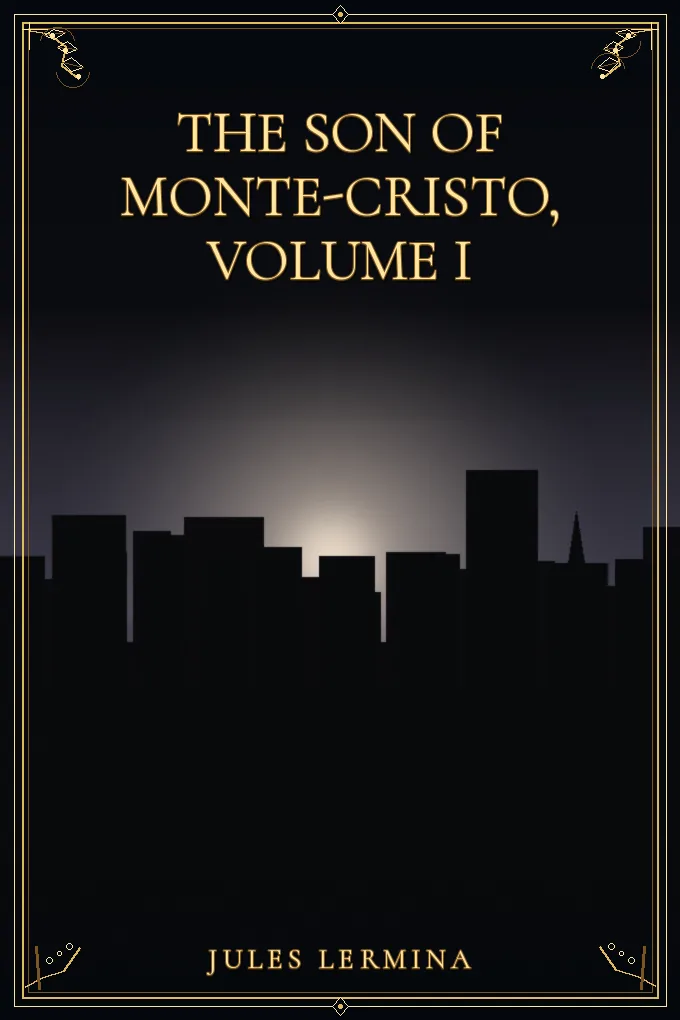
Cover illustration for The Son of Monte-Cristo, Volume I
Context Illustration Reading 1/13 · 5 lines
English subtitles · tap any word to listen 1 / 5
ECARTE Bartolomeo was thrown into a subterranean dungeon of the citadel, and now that Aslitta was lost he accepted his fate calmly.
He could not be of any further service to the fatherland.
As he was sitting meditatively in his cell, the door opened and a corporal entered.
"What do you wish?" asked the major politely.
"What time is it?"
0:00 / 0:00
Speed 0.75x
AI-generated narration by OpenAI · Slow US English
LEARNER DICTIONARY
Archivist
/ˈɑːrkɪvɪst/
Editorial verification pending

A keeper or guardian of historical records and memories.

The Son of Monte-Cristo, Volume I

Chapter XXI · Chapter 21

Chapter 21 of The Son of Monte-Cristo, Volume I is here in full — 68 sentences across 14 reading sections, with audio for every sentence and word.

Reading 1/13 · 5 reading units · Lines 1–5

Line 1
ECARTE Bartolomeo was thrown into a subterranean dungeon of the citadel, and now that Aslitta was lost he accepted his fate calmly.
Line 2
He could not be of any further service to the fatherland.
/hiː kʊd nɑːt biː ʌv ˈeni ˈfɜːrðər ˈsɜːrvəs tuː ðə ˈfɑːðərlænd/
Line 3
As he was sitting meditatively in his cell, the door opened and a corporal entered.
Line 4
"What do you wish?" asked the major politely.
/wʌt duː juː wɪʃ æskt ðə ˈmeɪdʒər pəˈlaɪtli/
Line 5
"What time is it?"
/wʌt taɪm ɪz ɪt/

Learner Dictionary

These definitions explain words found in the current reading and keep every example grounded in its original sentence.

Oxford-style entry order: headword, part of speech, US IPA, concise definition, contextual example, and audio.

calmly adverb US /ˈkɑːmli/

with self-possession (especially in times of stress)

From this reading “ECARTE Bartolomeo was thrown into a subterranean dungeon of the citadel, and now that Aslitta was lost he accepted his fate calmly.”

cell noun US /sel/

A small stone room in a prison where an inmate is locked behind iron bars.

From this reading “As he was sitting meditatively in his cell, the door opened and a corporal entered.”

citadel noun US /ˈsɪt.ə.del/

A fortress protecting a city, metaphorically representing the invincible inner sanctuary of the rational mind.

From this reading “ECARTE Bartolomeo was thrown into a subterranean dungeon of the citadel, and now that Aslitta was lost he accepted his fate calmly.”

corporal noun US /ˈkɔːrpərəl/

a noncommissioned officer in the Army or Air Force or Marines

From this reading “As he was sitting meditatively in his cell, the door opened and a corporal entered.”

dungeon noun US /ˈdʌndʒən/

the main tower within the walls of a medieval castle or fortress

From this reading “ECARTE Bartolomeo was thrown into a subterranean dungeon of the citadel, and now that Aslitta was lost he accepted his fate calmly.”

fatherland noun US /ˈfɑːðərlænd/

the country where you were born

From this reading “He could not be of any further service to the fatherland.”

politely adverb US /pəˈlaɪtli/

in a polite manner

From this reading “"What do you wish?" asked the major politely.”

subterranean adjective US /ˌsʌb.təˈreɪ.ni.ən/

Existing, occurring, or done under the earth's surface.

From this reading “ECARTE Bartolomeo was thrown into a subterranean dungeon of the citadel, and now that Aslitta was lost he accepted his fate calmly.”

All words in this reading · 48

Every word in these five lines is listed here, and every one of them can be played on its own.

Dictionary details are shown only when verified; these are not licensed Oxford entries.

adeterminerUS /ə/

used before a singular noun to mean one of a group, when it is not a particular one

From this reading ECARTE Bartolomeo was thrown into a subterranean dungeon of the citadel, and now that Aslitta was lost he accepted his fate calmly.

acceptedadjectiveUS /ækˈseptɪd/

generally approved or compelling recognition

From this reading ECARTE Bartolomeo was thrown into a subterranean dungeon of the citadel, and now that Aslitta was lost he accepted his fate calmly.

andconjunctionUS /ənd/

used to join words or parts of a sentence that go together

From this reading ECARTE Bartolomeo was thrown into a subterranean dungeon of the citadel, and now that Aslitta was lost he accepted his fate calmly.

anyadjectiveUS /ˈeni/

one or some or every or all without specification

From this reading He could not be of any further service to the fatherland.

AsconjunctionUS /æz/

at the same time that; because; in the way that

From this reading As he was sitting meditatively in his cell, the door opened and a corporal entered.

askedverbUS /æskt/

past form of “ask” — make a request or demand for something to somebody

From this reading "What do you wish?" asked the major politely.

Aslitta

Dictionary entry pending editorial verification. Tap Listen to hear the word.

From this reading ECARTE Bartolomeo was thrown into a subterranean dungeon of the citadel, and now that Aslitta was lost he accepted his fate calmly.

Bartolomeo

Dictionary entry pending editorial verification. Tap Listen to hear the word.

From this reading ECARTE Bartolomeo was thrown into a subterranean dungeon of the citadel, and now that Aslitta was lost he accepted his fate calmly.

beauxiliary verbUS /biː/

used with a past participle to form the passive, or with -ing for continuous tenses

From this reading He could not be of any further service to the fatherland.

calmlyadverbUS /ˈkɑːmli/

with self-possession (especially in times of stress)

From this reading ECARTE Bartolomeo was thrown into a subterranean dungeon of the citadel, and now that Aslitta was lost he accepted his fate calmly.

cellnounUS /sel/

A small stone room in a prison where an inmate is locked behind iron bars.

From this reading As he was sitting meditatively in his cell, the door opened and a corporal entered.

citadelnounUS /ˈsɪt.ə.del/

A fortress protecting a city, metaphorically representing the invincible inner sanctuary of the rational mind.

From this reading ECARTE Bartolomeo was thrown into a subterranean dungeon of the citadel, and now that Aslitta was lost he accepted his fate calmly.

corporalnounUS /ˈkɔːrpərəl/

a noncommissioned officer in the Army or Air Force or Marines

From this reading As he was sitting meditatively in his cell, the door opened and a corporal entered.

couldmodal verbUS /kʊd/

the past of “can”; used for possibility or polite requests

From this reading He could not be of any further service to the fatherland.

doauxiliary verbUS /duː/

used to form questions and negatives, and to give emphasis

From this reading "What do you wish?" asked the major politely.

doornounUS /dɔːr/

a swinging or sliding barrier that will close the entrance to a room or building or vehicle

From this reading As he was sitting meditatively in his cell, the door opened and a corporal entered.

dungeonnounUS /ˈdʌndʒən/

the main tower within the walls of a medieval castle or fortress

From this reading ECARTE Bartolomeo was thrown into a subterranean dungeon of the citadel, and now that Aslitta was lost he accepted his fate calmly.

ECARTEnoun

a card game for 2 players; played with 32 cards and king high

From this reading ECARTE Bartolomeo was thrown into a subterranean dungeon of the citadel, and now that Aslitta was lost he accepted his fate calmly.

enteredverbUS /ˈentərd/

past form of “enter” — to come or go into

From this reading As he was sitting meditatively in his cell, the door opened and a corporal entered.

fatenounUS /feɪt/

an event (or a course of events) that will inevitably happen in the future

From this reading ECARTE Bartolomeo was thrown into a subterranean dungeon of the citadel, and now that Aslitta was lost he accepted his fate calmly.

fatherlandnounUS /ˈfɑːðərlænd/

the country where you were born

From this reading He could not be of any further service to the fatherland.

furtheradverbUS /ˈfɜːrðər/

to or at a greater extent or degree or a more advanced stage (“further” is used more often than “farther” in this abstract sense)

From this reading He could not be of any further service to the fatherland.

hepronounUS /hiː/

a man, boy, or male animal already mentioned, as the subject

From this reading ECARTE Bartolomeo was thrown into a subterranean dungeon of the citadel, and now that Aslitta was lost he accepted his fate calmly.

hisdeterminerUS /hɪz/

belonging to a man, boy, or male animal already mentioned

From this reading ECARTE Bartolomeo was thrown into a subterranean dungeon of the citadel, and now that Aslitta was lost he accepted his fate calmly.

inprepositionUS /ɪn/

inside something, or within a place, period, or state

From this reading As he was sitting meditatively in his cell, the door opened and a corporal entered.

intoprepositionUS /ˈɪntuː/

moving to the inside of something

From this reading ECARTE Bartolomeo was thrown into a subterranean dungeon of the citadel, and now that Aslitta was lost he accepted his fate calmly.

isauxiliary verbUS /ɪz/

the form of “be” used with he, she, it, or a singular noun

From this reading "What time is it?"

itpronounUS /ɪt/

a thing, animal, or idea already mentioned

From this reading "What time is it?"

lostadjectiveUS /lɔːst/

no longer in your possession or control; unable to be found or recovered

From this reading ECARTE Bartolomeo was thrown into a subterranean dungeon of the citadel, and now that Aslitta was lost he accepted his fate calmly.

majoradjectiveUS /ˈmeɪdʒər/

of greater importance or stature or rank

From this reading "What do you wish?" asked the major politely.

meditativelyadverb

in a meditative manner

From this reading As he was sitting meditatively in his cell, the door opened and a corporal entered.

notadverbUS /nɑːt/

used to make a word, phrase, or sentence negative

From this reading He could not be of any further service to the fatherland.

nowadverbUS /naʊ/

in the historical present; at this point in the narration of a series of past events

From this reading ECARTE Bartolomeo was thrown into a subterranean dungeon of the citadel, and now that Aslitta was lost he accepted his fate calmly.

ofprepositionUS /ʌv/

belonging to, or connected with, somebody or something

From this reading ECARTE Bartolomeo was thrown into a subterranean dungeon of the citadel, and now that Aslitta was lost he accepted his fate calmly.

openedadjectiveUS /ˈoʊpənd/

used of mouth or eyes

From this reading As he was sitting meditatively in his cell, the door opened and a corporal entered.

politelyadverbUS /pəˈlaɪtli/

in a polite manner

From this reading "What do you wish?" asked the major politely.

servicenounUS /ˈsɜːrvəs/

work done by one person or group that benefits another

From this reading He could not be of any further service to the fatherland.

sittingnounUS /ˈsɪtɪŋ/

(photography) the act of assuming a certain position (as for a photograph or portrait)

From this reading As he was sitting meditatively in his cell, the door opened and a corporal entered.

subterraneanadjectiveUS /ˌsʌb.təˈreɪ.ni.ən/

Existing, occurring, or done under the earth's surface.

From this reading ECARTE Bartolomeo was thrown into a subterranean dungeon of the citadel, and now that Aslitta was lost he accepted his fate calmly.

thatconjunctionUS /ðæt/

used to introduce what somebody said, thought, or felt

From this reading ECARTE Bartolomeo was thrown into a subterranean dungeon of the citadel, and now that Aslitta was lost he accepted his fate calmly.

thedeterminerUS /ðə/

used before a noun that is already known, already mentioned, or the only one of its kind

From this reading ECARTE Bartolomeo was thrown into a subterranean dungeon of the citadel, and now that Aslitta was lost he accepted his fate calmly.

thrownadjectiveUS /θroʊn/

caused to fall to the ground

From this reading ECARTE Bartolomeo was thrown into a subterranean dungeon of the citadel, and now that Aslitta was lost he accepted his fate calmly.

timenounUS /taɪm/

an instance or single occasion for some event

From this reading "What time is it?"

toparticleUS /tuː/

used before the base form of a verb to make the infinitive

From this reading He could not be of any further service to the fatherland.

wasauxiliary verbUS /wɑːz/

the past form of “be” used with I, he, she, it, or a singular noun

From this reading ECARTE Bartolomeo was thrown into a subterranean dungeon of the citadel, and now that Aslitta was lost he accepted his fate calmly.

WhatpronounUS /wʌt/

used to ask for information about something

From this reading "What do you wish?" asked the major politely.

wishverbUS /wɪʃ/

hope for; have a wish

From this reading "What do you wish?" asked the major politely.

youpronounUS /juː/

the person or people being spoken to

From this reading "What do you wish?" asked the major politely.

Chapter 21 of The Son of Monte-Cristo, Volume I by Jules Lermina holds 68 sentences, grouped into 14 reading sections of at most 5 sentences. The text is the source edition, unabridged, and the chapter records which sentences cover which part of the work so that nothing is dropped. Every word can be tapped for its pronunciation and dictionary entry.

What does chapter 21 of The Son of Monte-Cristo, Volume I contain?

Chapter 21 holds 68 sentences of The Son of Monte-Cristo, Volume I, unabridged, divided into 14 reading sections.

This page carries chapter 21 of The Son of Monte-Cristo, Volume I by Jules Lermina exactly as it stands in the source edition, without abridgement. It runs to 68 sentences, grouped into 14 sections of at most 5 sentences so that a reader can take the chapter in steady, finishable pieces. The chapter also stores a coverage record mapping every one of its sentences to a part of the work, which is how the edition demonstrates that no line was dropped.

How do I study chapter 21 of The Son of Monte-Cristo, Volume I?

Work through the 14 sections in order, replaying any sentence and tapping unfamiliar words for their entries.

Each of the 14 sections in this chapter is short enough to read once, hear once, and then re-read with the vocabulary in view. Tapping a word plays it alone and opens its dictionary entry with IPA, part of speech and meaning, so the reader is never forced to guess a pronunciation from spelling. Working section by section keeps a long chapter from becoming an undifferentiated wall of text, which is the usual reason a reader abandons a work of this period.

Can chapter 21 be read aloud to me?

Yes — every sentence and every individual word in chapter 21 can be played aloud in United States English.

Audio covers the whole chapter: any sentence can be played, and any single word within it can be played on its own. The voice uses United States English. For a work of this period that matters, because spelling is an unreliable guide to pronunciation for vocabulary that has fallen out of daily use, and a learner who guesses wrong tends to keep the error. Hearing the word in its own sentence, and then alone, settles it.

Questions about reading The Son of Monte-Cristo, Volume I

Common questions about reading The Son of Monte-Cristo, Volume I by Jules Lermina on this page, its source edition and its audio.

Is this the complete text of The Son of Monte-Cristo, Volume I?

Yes. All 6016 sentences of Project Gutenberg eBook #22018 are kept, with a record of which sentences cover which part.

Which edition of The Son of Monte-Cristo, Volume I is used?

Project Gutenberg eBook #22018, unabridged. The Project Gutenberg header, footer and licence are removed.

How long does The Son of Monte-Cristo, Volume I take to read?

About 501 minutes of reading across 1204 sections of 5 sentences each, at an unhurried pace.

How to read The Son of Monte-Cristo, Volume I section by section

How to work through The Son of Monte-Cristo, Volume I section by section, using the audio and the tap-to-define vocabulary.

  1. Open a chapter

    Choose one of the 40 chapters of The Son of Monte-Cristo, Volume I to begin.

  2. Read one section

    Each section holds 5 sentences; read it once through.

  3. Listen and tap

    Play the section aloud, then tap any unfamiliar word for its entry.

Vocabulary met early in The Son of Monte-Cristo, Volume I

Words and structures a reader meets early in The Son of Monte-Cristo, Volume I, each tappable for pronunciation and meaning.

Among
A word that appears in the opening chapter of The Son of Monte-Cristo, Volume I; the reader can tap it to hear it and see its dictionary entry.
Company
A word that appears in the opening chapter of The Son of Monte-Cristo, Volume I; the reader can tap it to hear it and see its dictionary entry.
Danglars'
A word that appears in the opening chapter of The Son of Monte-Cristo, Volume I; the reader can tap it to hear it and see its dictionary entry.
House
A word that appears in the opening chapter of The Son of Monte-Cristo, Volume I; the reader can tap it to hear it and see its dictionary entry.