Complete classic literature • Five-line readings • Clear US narration
VELMORA ACADEMY
Academy of Archival Languages & Memory Studies
Menu Close
The Sowers
The Sowers

Chapter I · Chapter 1

Chapter 1 of The Sowers is here in full — 205 sentences across 41 reading sections, with audio for every sentence and word.

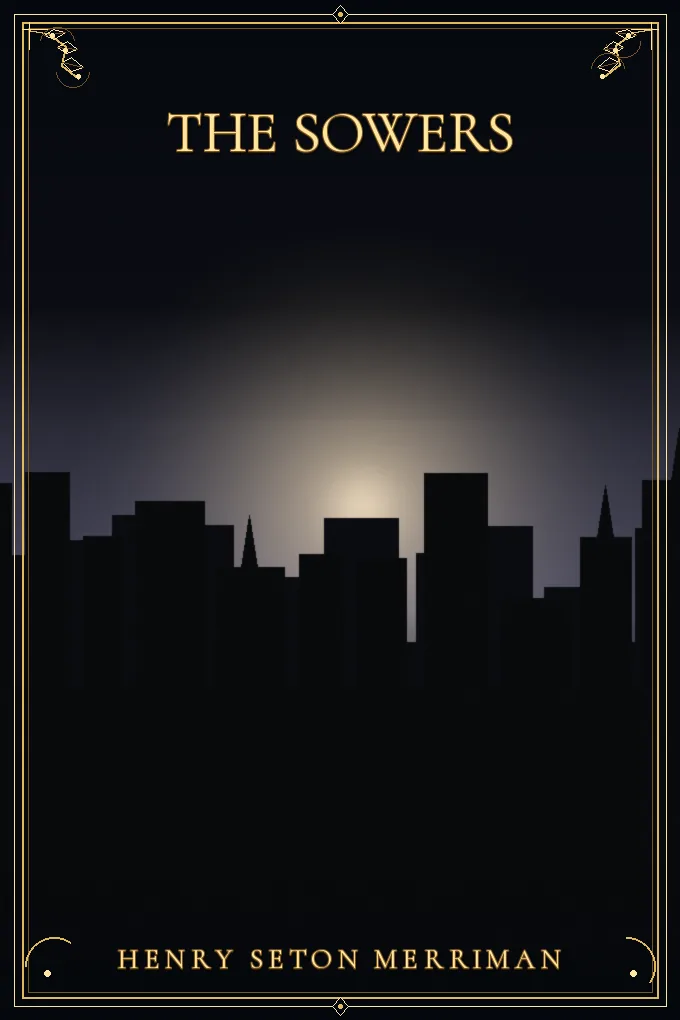
Cover illustration for The Sowers
Context Illustration Reading 1/41 · 5 lines
English subtitles · tap any word to listen 1 / 5
BY THE VOLGA "This is going to be unpleasant," muttered Steinmetz, as he cumbrously left the saddle.
"That man is dead--has been dead some days; he's stiff.
And the horse has been dragging him face downward.
God in heaven! this will be unpleasant."
Paul had leaped to the ground, and was already loosening the dead man's foot from the stirrup.
0:00 / 0:00
Speed 0.75x
AI-generated narration by OpenAI · Slow US English
LEARNER DICTIONARY
Archivist
/ˈɑːrkɪvɪst/
Editorial verification pending

A keeper or guardian of historical records and memories.

The Sowers

Chapter I · Chapter 1

Chapter 1 of The Sowers is here in full — 205 sentences across 41 reading sections, with audio for every sentence and word.

Reading 1/41 · 5 reading units · Lines 1–5

Line 1
BY THE VOLGA "This is going to be unpleasant," muttered Steinmetz, as he cumbrously left the saddle.
Line 2
"That man is dead--has been dead some days; he's stiff.
Line 3
And the horse has been dragging him face downward.
/ənd ðə hɔːrs hæz bɪn ˈdræɡɪŋ hɪm feɪs ˈdaʊnwərd/
Line 4
God in heaven! this will be unpleasant."
/ɡɑːd ɪn ˈhevən ðɪs wɪl biː ənˈplezənt/
Line 5
Paul had leaped to the ground, and was already loosening the dead man's foot from the stirrup.
/pɔːl hæd lept tuː ðə ɡraʊnd ənd wɑːz ɔːlˈredi ˈluːsənɪŋ ðə ded mænz fʊt frʌm ðə ˈstɜːrəp/

Learner Dictionary

These definitions explain words found in the current reading and keep every example grounded in its original sentence.

Oxford-style entry order: headword, part of speech, US IPA, concise definition, contextual example, and audio.

downward adjective US /ˈdaʊnwərd/

extending or moving from a higher to a lower place

From this reading “And the horse has been dragging him face downward.”

dragging adjective US /ˈdræɡɪŋ/

marked by a painfully slow and effortful manner

From this reading “And the horse has been dragging him face downward.”

loosening noun US /ˈluːsənɪŋ/

an occurrence of control or strength weakening

From this reading “Paul had leaped to the ground, and was already loosening the dead man's foot from the stirrup.”

Steinmetz noun US /ˈstaɪnmets/

United States electrical engineer and inventor (born in Germany) (1865-1923)

From this reading “BY THE VOLGA "This is going to be unpleasant," muttered Steinmetz, as he cumbrously left the saddle.”

stiff adjective US /stɪf/

not moving or operating freely

From this reading “"That man is dead--has been dead some days; he's stiff.”

stirrup noun US /ˈstɜːrəp/

support consisting of metal loops into which rider's feet go

From this reading “Paul had leaped to the ground, and was already loosening the dead man's foot from the stirrup.”

unpleasant adjective US /ənˈplezənt/

offensive or disagreeable; causing discomfort or unhappiness

From this reading “BY THE VOLGA "This is going to be unpleasant," muttered Steinmetz, as he cumbrously left the saddle.”

volga noun US /ˈvɑːlɡə/

a Russian river; the longest river in Europe; flows into the Caspian Sea

From this reading “BY THE VOLGA "This is going to be unpleasant," muttered Steinmetz, as he cumbrously left the saddle.”

All words in this reading · 46

Every word in these five lines is listed here, and every one of them can be played on its own.

Dictionary details are shown only when verified; these are not licensed Oxford entries.

alreadyadverbUS /ɔːlˈredi/

prior to a specified or implied time

From this reading Paul had leaped to the ground, and was already loosening the dead man's foot from the stirrup.

AndconjunctionUS /ənd/

used to join words or parts of a sentence that go together

From this reading And the horse has been dragging him face downward.

asconjunctionUS /æz/

at the same time that; because; in the way that

From this reading BY THE VOLGA "This is going to be unpleasant," muttered Steinmetz, as he cumbrously left the saddle.

beauxiliary verbUS /biː/

used with a past participle to form the passive, or with -ing for continuous tenses

From this reading BY THE VOLGA "This is going to be unpleasant," muttered Steinmetz, as he cumbrously left the saddle.

beenauxiliary verbUS /bɪn/

the past participle of “be”

From this reading "That man is dead--has been dead some days; he's stiff.

BYprepositionUS /baɪ/

showing who or what does the action

From this reading BY THE VOLGA "This is going to be unpleasant," muttered Steinmetz, as he cumbrously left the saddle.

cumbrously

Dictionary entry pending editorial verification. Tap Listen to hear the word.

From this reading BY THE VOLGA "This is going to be unpleasant," muttered Steinmetz, as he cumbrously left the saddle.

daysnounUS /deɪz/

the time during which someone's life continues

From this reading "That man is dead--has been dead some days; he's stiff.

deadadjectiveUS /ded/

no longer having or seeming to have or expecting to have life

From this reading "That man is dead--has been dead some days; he's stiff.

downwardadjectiveUS /ˈdaʊnwərd/

extending or moving from a higher to a lower place

From this reading And the horse has been dragging him face downward.

draggingadjectiveUS /ˈdræɡɪŋ/

marked by a painfully slow and effortful manner

From this reading And the horse has been dragging him face downward.

facenounUS /feɪs/

the front of the human head from the forehead to the chin and ear to ear

From this reading And the horse has been dragging him face downward.

footnounUS /fʊt/

the part of the leg of a human being below the ankle joint

From this reading Paul had leaped to the ground, and was already loosening the dead man's foot from the stirrup.

fromprepositionUS /frʌm/

showing where something starts, or who sent it

From this reading Paul had leaped to the ground, and was already loosening the dead man's foot from the stirrup.

GodnounUS /ɡɑːd/

the supernatural being conceived as the perfect and omnipotent and omniscient originator and ruler of the universe; the object of worship in monotheistic religions

From this reading God in heaven! this will be unpleasant."

goingnounUS /ˈɡoʊɪŋ/

the act of departing

From this reading BY THE VOLGA "This is going to be unpleasant," muttered Steinmetz, as he cumbrously left the saddle.

groundnounUS /ɡraʊnd/

the solid part of the earth's surface

From this reading Paul had leaped to the ground, and was already loosening the dead man's foot from the stirrup.

hadauxiliary verbUS /hæd/

the past form of “have”, used to form the past perfect

From this reading Paul had leaped to the ground, and was already loosening the dead man's foot from the stirrup.

hasauxiliary verbUS /hæz/

the form of “have” used with he, she, it, or a singular noun

From this reading "That man is dead--has been dead some days; he's stiff.

hepronounUS /hiː/

a man, boy, or male animal already mentioned, as the subject

From this reading BY THE VOLGA "This is going to be unpleasant," muttered Steinmetz, as he cumbrously left the saddle.

he's

Dictionary entry pending editorial verification. Tap Listen to hear the word.

From this reading "That man is dead--has been dead some days; he's stiff.

heavennounUS /ˈhevən/

any place of complete bliss and delight and peace

From this reading God in heaven! this will be unpleasant."

himpronounUS /hɪm/

the male already mentioned, as the object of a verb or preposition

From this reading And the horse has been dragging him face downward.

horsenounUS /hɔːrs/

solid-hoofed herbivorous quadruped domesticated since prehistoric times

From this reading And the horse has been dragging him face downward.

inprepositionUS /ɪn/

inside something, or within a place, period, or state

From this reading God in heaven! this will be unpleasant."

isauxiliary verbUS /ɪz/

the form of “be” used with he, she, it, or a singular noun

From this reading BY THE VOLGA "This is going to be unpleasant," muttered Steinmetz, as he cumbrously left the saddle.

leapedverbUS /lept/

past form of “leap” — move forward by leaps and bounds

From this reading Paul had leaped to the ground, and was already loosening the dead man's foot from the stirrup.

leftnounUS /left/

location near or direction toward the left side; i.e. the side to the north when a person or object faces east

From this reading BY THE VOLGA "This is going to be unpleasant," muttered Steinmetz, as he cumbrously left the saddle.

looseningnounUS /ˈluːsənɪŋ/

an occurrence of control or strength weakening

From this reading Paul had leaped to the ground, and was already loosening the dead man's foot from the stirrup.

mannounUS /mæn/

an adult person who is male (as opposed to a woman)

From this reading "That man is dead--has been dead some days; he's stiff.

man'snounUS /mænz/

possessive form of “man” — an adult person who is male (as opposed to a woman)

From this reading Paul had leaped to the ground, and was already loosening the dead man's foot from the stirrup.

mutteredverbUS /ˈmʌtərd/

past form of “mutter” — talk indistinctly; usually in a low voice

From this reading BY THE VOLGA "This is going to be unpleasant," muttered Steinmetz, as he cumbrously left the saddle.

PaulnounUS /pɔːl/

United States feminist (1885-1977)

From this reading Paul had leaped to the ground, and was already loosening the dead man's foot from the stirrup.

saddleverbUS /ˈsædəl/

put a saddle on

From this reading BY THE VOLGA "This is going to be unpleasant," muttered Steinmetz, as he cumbrously left the saddle.

someadjectiveUS /sʌm/

(quantifier) used with either mass nouns or plural count nouns to indicate an unspecified number or quantity

From this reading "That man is dead--has been dead some days; he's stiff.

SteinmetznounUS /ˈstaɪnmets/

United States electrical engineer and inventor (born in Germany) (1865-1923)

From this reading BY THE VOLGA "This is going to be unpleasant," muttered Steinmetz, as he cumbrously left the saddle.

stiffadjectiveUS /stɪf/

not moving or operating freely

From this reading "That man is dead--has been dead some days; he's stiff.

stirrupnounUS /ˈstɜːrəp/

support consisting of metal loops into which rider's feet go

From this reading Paul had leaped to the ground, and was already loosening the dead man's foot from the stirrup.

ThatconjunctionUS /ðæt/

used to introduce what somebody said, thought, or felt

From this reading "That man is dead--has been dead some days; he's stiff.

THEdeterminerUS /ðə/

used before a noun that is already known, already mentioned, or the only one of its kind

From this reading BY THE VOLGA "This is going to be unpleasant," muttered Steinmetz, as he cumbrously left the saddle.

ThisdeterminerUS /ðɪs/

used for a person or thing that is near, or that has just been mentioned

From this reading BY THE VOLGA "This is going to be unpleasant," muttered Steinmetz, as he cumbrously left the saddle.

toparticleUS /tuː/

used before the base form of a verb to make the infinitive

From this reading BY THE VOLGA "This is going to be unpleasant," muttered Steinmetz, as he cumbrously left the saddle.

unpleasantadjectiveUS /ənˈplezənt/

offensive or disagreeable; causing discomfort or unhappiness

From this reading BY THE VOLGA "This is going to be unpleasant," muttered Steinmetz, as he cumbrously left the saddle.

VOLGAnounUS /ˈvɑːlɡə/

a Russian river; the longest river in Europe; flows into the Caspian Sea

From this reading BY THE VOLGA "This is going to be unpleasant," muttered Steinmetz, as he cumbrously left the saddle.

wasauxiliary verbUS /wɑːz/

the past form of “be” used with I, he, she, it, or a singular noun

From this reading Paul had leaped to the ground, and was already loosening the dead man's foot from the stirrup.

willmodal verbUS /wɪl/

used to talk about the future, or about willingness

From this reading God in heaven! this will be unpleasant."

Chapter 1 of The Sowers by Henry Seton Merriman holds 205 sentences, grouped into 41 reading sections of at most 5 sentences. The text is the source edition, unabridged, and the chapter records which sentences cover which part of the work so that nothing is dropped. Every word can be tapped for its pronunciation and dictionary entry.

What does chapter 1 of The Sowers contain?

Chapter 1 holds 205 sentences of The Sowers, unabridged, divided into 41 reading sections.

This page carries chapter 1 of The Sowers by Henry Seton Merriman exactly as it stands in the source edition, without abridgement. It runs to 205 sentences, grouped into 41 sections of at most 5 sentences so that a reader can take the chapter in steady, finishable pieces. The chapter also stores a coverage record mapping every one of its sentences to a part of the work, which is how the edition demonstrates that no line was dropped.

How do I study chapter 1 of The Sowers?

Work through the 41 sections in order, replaying any sentence and tapping unfamiliar words for their entries.

Each of the 41 sections in this chapter is short enough to read once, hear once, and then re-read with the vocabulary in view. Tapping a word plays it alone and opens its dictionary entry with IPA, part of speech and meaning, so the reader is never forced to guess a pronunciation from spelling. Working section by section keeps a long chapter from becoming an undifferentiated wall of text, which is the usual reason a reader abandons a work of this period.

Can chapter 1 be read aloud to me?

Yes — every sentence and every individual word in chapter 1 can be played aloud in United States English.

Audio covers the whole chapter: any sentence can be played, and any single word within it can be played on its own. The voice uses United States English. For a work of this period that matters, because spelling is an unreliable guide to pronunciation for vocabulary that has fallen out of daily use, and a learner who guesses wrong tends to keep the error. Hearing the word in its own sentence, and then alone, settles it.

Questions about reading The Sowers

Common questions about reading The Sowers by Henry Seton Merriman on this page, its source edition and its audio.

Is this the complete text of The Sowers?

Yes. All 7928 sentences of Project Gutenberg eBook #10132 are kept, with a record of which sentences cover which part.

Which edition of The Sowers is used?

Project Gutenberg eBook #10132, unabridged. The Project Gutenberg header, footer and licence are removed.

How long does The Sowers take to read?

About 600 minutes of reading across 1586 sections of 5 sentences each, at an unhurried pace.

How to read The Sowers section by section

How to work through The Sowers section by section, using the audio and the tap-to-define vocabulary.

  1. Open a chapter

    Choose one of the 40 chapters of The Sowers to begin.

  2. Read one section

    Each section holds 5 sentences; read it once through.

  3. Listen and tap

    Play the section aloud, then tap any unfamiliar word for its entry.

Vocabulary met early in The Sowers

Words and structures a reader meets early in The Sowers, each tappable for pronunciation and meaning.

Volga
A word that appears in the opening chapter of The Sowers; the reader can tap it to hear it and see its dictionary entry.
Going
A word that appears in the opening chapter of The Sowers; the reader can tap it to hear it and see its dictionary entry.
Unpleasant
A word that appears in the opening chapter of The Sowers; the reader can tap it to hear it and see its dictionary entry.
Muttered
A word that appears in the opening chapter of The Sowers; the reader can tap it to hear it and see its dictionary entry.