Complete classic literature • Five-line readings • Clear US narration
VELMORA ACADEMY
Academy of Archival Languages & Memory Studies
Menu Close
The Sowers
The Sowers

Chapter XXXVII · Chapter 37

Chapter 37 of The Sowers is here in full — 182 sentences across 37 reading sections, with audio for every sentence and word.

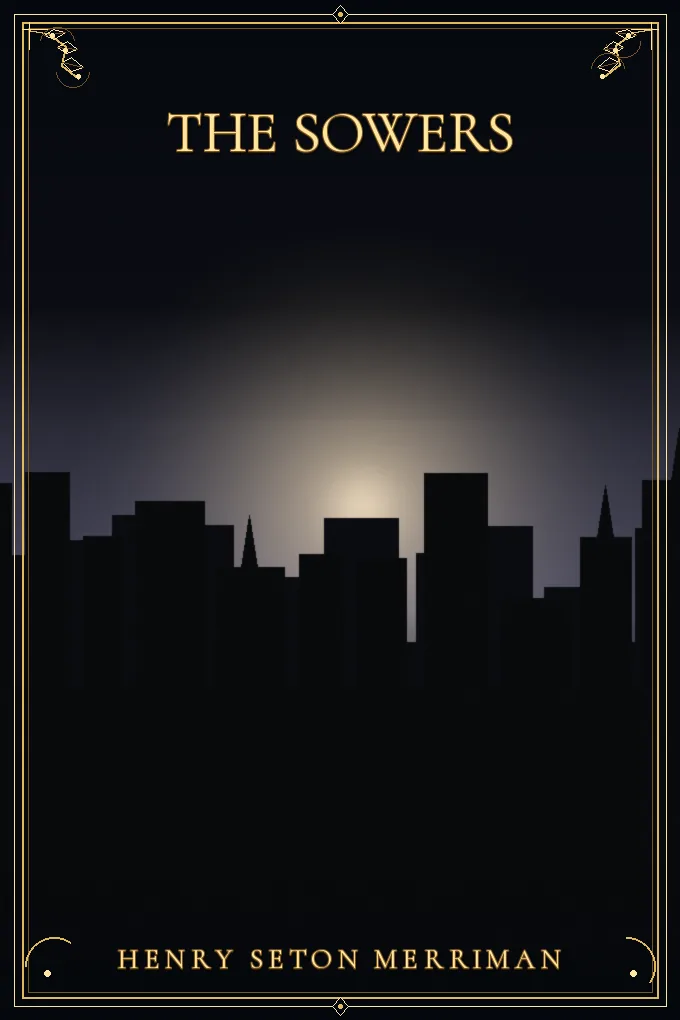
Cover illustration for The Sowers
Context Illustration Reading 1/36 · 5 lines
English subtitles · tap any word to listen 1 / 5
DUTY It was not now a very cold night.
There were fleecy clouds thrown like puffs of smoke against the western sky.
The moon, on the wane,--a small crescent lying on its back,--was lowering toward the horizon.
The thermometer had risen since sunset, as it often does in March.
There was a suggestion of spring in the air.
0:00 / 0:00
Speed 0.75x
AI-generated narration by OpenAI · Slow US English
LEARNER DICTIONARY
Archivist
/ˈɑːrkɪvɪst/
Editorial verification pending

A keeper or guardian of historical records and memories.

The Sowers

Chapter XXXVII · Chapter 37

Chapter 37 of The Sowers is here in full — 182 sentences across 37 reading sections, with audio for every sentence and word.

Reading 1/36 · 5 reading units · Lines 1–5

Line 1
DUTY It was not now a very cold night.
/ˈduːti ɪt wɑːz nɑːt naʊ ə ˈveri koʊld naɪt/
Line 2
There were fleecy clouds thrown like puffs of smoke against the western sky.
/ðer wɜːr ˈfliːsi klaʊdz θroʊn laɪk pʌfs ʌv smoʊk əˈɡenst ðə ˈwestərn skaɪ/
Line 3
The moon, on the wane,--a small crescent lying on its back,--was lowering toward the horizon.
Line 4
The thermometer had risen since sunset, as it often does in March.
/ðə θərˈmɑːmətər hæd ˈrɪzən sɪns ˈsʌnset æz ɪt ˈɔːfən dʌz ɪn mɑːrtʃ/
Line 5
There was a suggestion of spring in the air.
/ðer wɑːz ə səˈdʒestʃən ʌv sprɪŋ ɪn ðə er/

Learner Dictionary

These definitions explain words found in the current reading and keep every example grounded in its original sentence.

Oxford-style entry order: headword, part of speech, US IPA, concise definition, contextual example, and audio.

crescent noun US /ˈkresənt/

any shape resembling the curved shape of the moon in its first or last quarters

From this reading “The moon, on the wane,--a small crescent lying on its back,--was lowering toward the horizon.”

fleecy adjective US /ˈfliːsi/

(of fabrics) having soft nap produced by brushing

From this reading “There were fleecy clouds thrown like puffs of smoke against the western sky.”

horizon noun US /hərˈaɪzən/

the line at which the sky and Earth appear to meet

From this reading “The moon, on the wane,--a small crescent lying on its back,--was lowering toward the horizon.”

lowering adjective US /ˈloʊərɪŋ/

darkened by clouds

From this reading “The moon, on the wane,--a small crescent lying on its back,--was lowering toward the horizon.”

puffs noun US /pʌfs/

plural of “puff” — a short light gust of air

From this reading “There were fleecy clouds thrown like puffs of smoke against the western sky.”

sunset noun US /ˈsʌnset/

the time in the evening at which the sun begins to fall below the horizon

From this reading “The thermometer had risen since sunset, as it often does in March.”

thermometer noun US /θərˈmɑːmətər/

measuring instrument for measuring temperature

From this reading “The thermometer had risen since sunset, as it often does in March.”

wane verb US /weɪn/

grow smaller

From this reading “The moon, on the wane,--a small crescent lying on its back,--was lowering toward the horizon.”

All words in this reading · 46

Every word in these five lines is listed here, and every one of them can be played on its own.

Dictionary details are shown only when verified; these are not licensed Oxford entries.

adeterminerUS /ə/

used before a singular noun to mean one of a group, when it is not a particular one

From this reading DUTY It was not now a very cold night.

againstprepositionUS /əˈɡenst/

touching and pressing; in opposition to

From this reading There were fleecy clouds thrown like puffs of smoke against the western sky.

airnounUS /er/

a mixture of gases (especially oxygen) required for breathing; the stuff that the wind consists of

From this reading There was a suggestion of spring in the air.

asconjunctionUS /æz/

at the same time that; because; in the way that

From this reading The thermometer had risen since sunset, as it often does in March.

backadverbUS /bæk/

in or to or toward a former location

From this reading The moon, on the wane,--a small crescent lying on its back,--was lowering toward the horizon.

cloudsnounUS /klaʊdz/

plural of “cloud” — any collection of particles (e.g., smoke or dust) or gases that is visible

From this reading There were fleecy clouds thrown like puffs of smoke against the western sky.

coldadjectiveUS /koʊld/

having a low or inadequate temperature or feeling a sensation of coldness or having been made cold by e.g. ice or refrigeration

From this reading DUTY It was not now a very cold night.

crescentnounUS /ˈkresənt/

any shape resembling the curved shape of the moon in its first or last quarters

From this reading The moon, on the wane,--a small crescent lying on its back,--was lowering toward the horizon.

doesauxiliary verbUS /dʌz/

the form of “do” used with he, she, it, or a singular noun

From this reading The thermometer had risen since sunset, as it often does in March.

DUTYnounUS /ˈduːti/

the social force that binds you to the courses of action demanded by that force

From this reading DUTY It was not now a very cold night.

fleecyadjectiveUS /ˈfliːsi/

(of fabrics) having soft nap produced by brushing

From this reading There were fleecy clouds thrown like puffs of smoke against the western sky.

hadauxiliary verbUS /hæd/

the past form of “have”, used to form the past perfect

From this reading The thermometer had risen since sunset, as it often does in March.

horizonnounUS /hərˈaɪzən/

the line at which the sky and Earth appear to meet

From this reading The moon, on the wane,--a small crescent lying on its back,--was lowering toward the horizon.

inprepositionUS /ɪn/

inside something, or within a place, period, or state

From this reading The thermometer had risen since sunset, as it often does in March.

ItpronounUS /ɪt/

a thing, animal, or idea already mentioned

From this reading DUTY It was not now a very cold night.

itsdeterminerUS /ɪts/

belonging to the thing or animal already mentioned

From this reading The moon, on the wane,--a small crescent lying on its back,--was lowering toward the horizon.

likeverbUS /laɪk/

prefer or wish to do something

From this reading There were fleecy clouds thrown like puffs of smoke against the western sky.

loweringadjectiveUS /ˈloʊərɪŋ/

darkened by clouds

From this reading The moon, on the wane,--a small crescent lying on its back,--was lowering toward the horizon.

lyingnounUS /ˈlaɪɪŋ/

the deliberate act of deviating from the truth

From this reading The moon, on the wane,--a small crescent lying on its back,--was lowering toward the horizon.

MarchverbUS /mɑːrtʃ/

march in a procession

From this reading The thermometer had risen since sunset, as it often does in March.

moonnounUS /muːn/

the natural satellite of the Earth

From this reading The moon, on the wane,--a small crescent lying on its back,--was lowering toward the horizon.

nightnounUS /naɪt/

the time after sunset and before sunrise while it is dark outside

From this reading DUTY It was not now a very cold night.

notadverbUS /nɑːt/

used to make a word, phrase, or sentence negative

From this reading DUTY It was not now a very cold night.

nowadverbUS /naʊ/

in the historical present; at this point in the narration of a series of past events

From this reading DUTY It was not now a very cold night.

ofprepositionUS /ʌv/

belonging to, or connected with, somebody or something

From this reading There were fleecy clouds thrown like puffs of smoke against the western sky.

oftenadverbUS /ˈɔːfən/

many times at short intervals

From this reading The thermometer had risen since sunset, as it often does in March.

onprepositionUS /ɑːn/

touching and supported by a surface

From this reading The moon, on the wane,--a small crescent lying on its back,--was lowering toward the horizon.

puffsnounUS /pʌfs/

plural of “puff” — a short light gust of air

From this reading There were fleecy clouds thrown like puffs of smoke against the western sky.

risenadjectiveUS /ˈrɪzən/

(of e.g. celestial bodies) above the horizon

From this reading The thermometer had risen since sunset, as it often does in March.

sinceprepositionUS /sɪns/

from a time in the past until now

From this reading The thermometer had risen since sunset, as it often does in March.

skynounUS /skaɪ/

the atmosphere and outer space as viewed from the earth

From this reading There were fleecy clouds thrown like puffs of smoke against the western sky.

smalladjectiveUS /smɔːl/

limited or below average in number or quantity or magnitude or extent

From this reading The moon, on the wane,--a small crescent lying on its back,--was lowering toward the horizon.

smokenounUS /smoʊk/

a cloud of fine particles suspended in a gas

From this reading There were fleecy clouds thrown like puffs of smoke against the western sky.

springnounUS /sprɪŋ/

the season of growth

From this reading There was a suggestion of spring in the air.

suggestionnounUS /səˈdʒestʃən/

an idea that is suggested

From this reading There was a suggestion of spring in the air.

sunsetnounUS /ˈsʌnset/

the time in the evening at which the sun begins to fall below the horizon

From this reading The thermometer had risen since sunset, as it often does in March.

thedeterminerUS /ðə/

used before a noun that is already known, already mentioned, or the only one of its kind

From this reading There were fleecy clouds thrown like puffs of smoke against the western sky.

ThereadverbUS /ðer/

in or at that place or location

From this reading There were fleecy clouds thrown like puffs of smoke against the western sky.

thermometernounUS /θərˈmɑːmətər/

measuring instrument for measuring temperature

From this reading The thermometer had risen since sunset, as it often does in March.

thrownadjectiveUS /θroʊn/

caused to fall to the ground

From this reading There were fleecy clouds thrown like puffs of smoke against the western sky.

towardprepositionUS /təˈwɔːrd/

in the direction of

From this reading The moon, on the wane,--a small crescent lying on its back,--was lowering toward the horizon.

veryadjectiveUS /ˈveri/

precisely as stated

From this reading DUTY It was not now a very cold night.

waneverbUS /weɪn/

grow smaller

From this reading The moon, on the wane,--a small crescent lying on its back,--was lowering toward the horizon.

wasauxiliary verbUS /wɑːz/

the past form of “be” used with I, he, she, it, or a singular noun

From this reading DUTY It was not now a very cold night.

wereauxiliary verbUS /wɜːr/

the past form of “be” used with you, we, they, or a plural noun

From this reading There were fleecy clouds thrown like puffs of smoke against the western sky.

westernadjectiveUS /ˈwestərn/

relating to or characteristic of the western parts of the world or the West as opposed to the eastern or oriental parts

From this reading There were fleecy clouds thrown like puffs of smoke against the western sky.

Chapter 37 of The Sowers by Henry Seton Merriman holds 182 sentences, grouped into 37 reading sections of at most 5 sentences. The text is the source edition, unabridged, and the chapter records which sentences cover which part of the work so that nothing is dropped. Every word can be tapped for its pronunciation and dictionary entry.

What does chapter 37 of The Sowers contain?

Chapter 37 holds 182 sentences of The Sowers, unabridged, divided into 37 reading sections.

This page carries chapter 37 of The Sowers by Henry Seton Merriman exactly as it stands in the source edition, without abridgement. It runs to 182 sentences, grouped into 37 sections of at most 5 sentences so that a reader can take the chapter in steady, finishable pieces. The chapter also stores a coverage record mapping every one of its sentences to a part of the work, which is how the edition demonstrates that no line was dropped.

How do I study chapter 37 of The Sowers?

Work through the 37 sections in order, replaying any sentence and tapping unfamiliar words for their entries.

Each of the 37 sections in this chapter is short enough to read once, hear once, and then re-read with the vocabulary in view. Tapping a word plays it alone and opens its dictionary entry with IPA, part of speech and meaning, so the reader is never forced to guess a pronunciation from spelling. Working section by section keeps a long chapter from becoming an undifferentiated wall of text, which is the usual reason a reader abandons a work of this period.

Can chapter 37 be read aloud to me?

Yes — every sentence and every individual word in chapter 37 can be played aloud in United States English.

Audio covers the whole chapter: any sentence can be played, and any single word within it can be played on its own. The voice uses United States English. For a work of this period that matters, because spelling is an unreliable guide to pronunciation for vocabulary that has fallen out of daily use, and a learner who guesses wrong tends to keep the error. Hearing the word in its own sentence, and then alone, settles it.

Questions about reading The Sowers

Common questions about reading The Sowers by Henry Seton Merriman on this page, its source edition and its audio.

Is this the complete text of The Sowers?

Yes. All 7928 sentences of Project Gutenberg eBook #10132 are kept, with a record of which sentences cover which part.

Which edition of The Sowers is used?

Project Gutenberg eBook #10132, unabridged. The Project Gutenberg header, footer and licence are removed.

How long does The Sowers take to read?

About 600 minutes of reading across 1586 sections of 5 sentences each, at an unhurried pace.

How to read The Sowers section by section

How to work through The Sowers section by section, using the audio and the tap-to-define vocabulary.

  1. Open a chapter

    Choose one of the 40 chapters of The Sowers to begin.

  2. Read one section

    Each section holds 5 sentences; read it once through.

  3. Listen and tap

    Play the section aloud, then tap any unfamiliar word for its entry.

Vocabulary met early in The Sowers

Words and structures a reader meets early in The Sowers, each tappable for pronunciation and meaning.

Volga
A word that appears in the opening chapter of The Sowers; the reader can tap it to hear it and see its dictionary entry.
Going
A word that appears in the opening chapter of The Sowers; the reader can tap it to hear it and see its dictionary entry.
Unpleasant
A word that appears in the opening chapter of The Sowers; the reader can tap it to hear it and see its dictionary entry.
Muttered
A word that appears in the opening chapter of The Sowers; the reader can tap it to hear it and see its dictionary entry.