used before a singular noun to mean one of a group, when it is not a particular one
From this reading I am a householder in a pleasant country neighbourhood, about twenty miles from New York.
aboutprepositionUS /əˈbaʊt/
on the subject of; concerning
From this reading I am a householder in a pleasant country neighbourhood, about twenty miles from New York.
agedadjectiveUS /eɪdʒd/
advanced in years; (“aged” is pronounced as two syllables)
From this reading My family consists of myself and wife, our boy, George William, aged two, two maid-servants, and a man; but in the summer we have frequent visitors, and at the time of which I am about to write my Aunt Martha was staying with us.
the form of “be” used with “I”
From this reading I am a householder in a pleasant country neighbourhood, about twenty miles from New York.
used to join words or parts of a sentence that go together
From this reading My family consists of myself and wife, our boy, George William, aged two, two maid-servants, and a man; but in the summer we have frequent visitors, and at the time of which I am about to write my Aunt Martha was staying with us.
areauxiliary verbUS /ɑːr/
the form of “be” used with you, we, they, or a plural noun
From this reading But we do not live in a paradise; we are occasionally troubled by mosquitoes and burglars.
a distinct feature or element in a problem
From this reading My house is large and pleasant, and we have neighbours near enough for social purposes and yet not too near or too many to detract from the rural aspect of our surroundings.
in or near a particular place or position
From this reading My family consists of myself and wife, our boy, George William, aged two, two maid-servants, and a man; but in the summer we have frequent visitors, and at the time of which I am about to write my Aunt Martha was staying with us.
the sister of your father or mother; the wife of your uncle
From this reading My family consists of myself and wife, our boy, George William, aged two, two maid-servants, and a man; but in the summer we have frequent visitors, and at the time of which I am about to write my Aunt Martha was staying with us.
a youthful male person
From this reading My family consists of myself and wife, our boy, George William, aged two, two maid-servants, and a man; but in the summer we have frequent visitors, and at the time of which I am about to write my Aunt Martha was staying with us.
BurglarsnounUS /ˈbɜːrɡlərz/
plural of “burglar” — a thief who enters a building with intent to steal
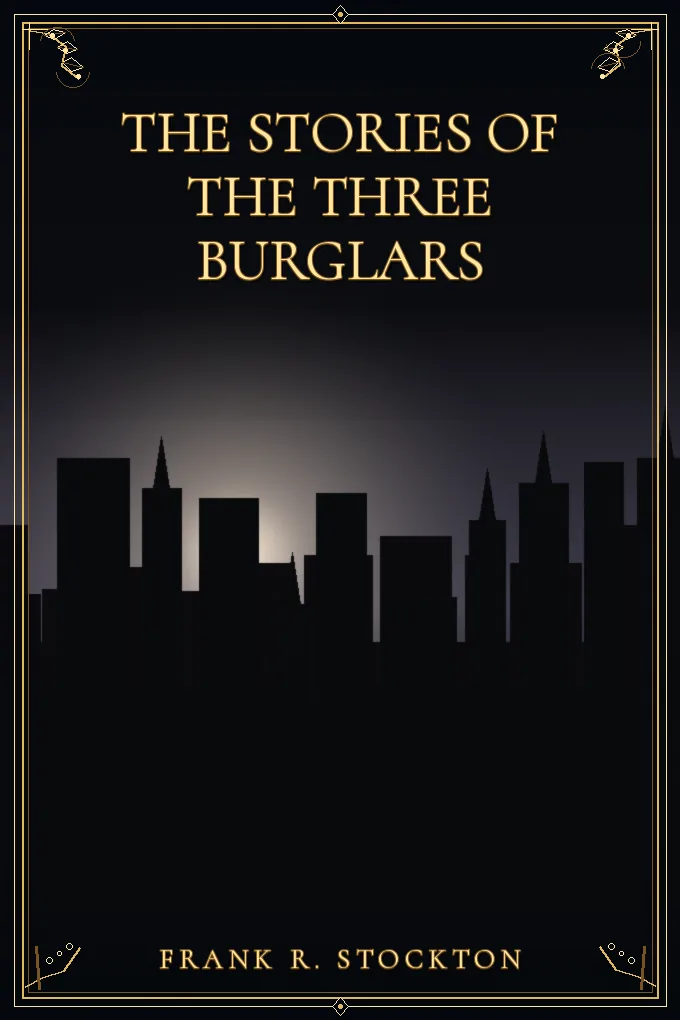
From this reading The Stories of the Three Burglars THE STORIES OF THE THREE BURGLARS.
used to introduce something that contrasts with what came before
From this reading My family consists of myself and wife, our boy, George William, aged two, two maid-servants, and a man; but in the summer we have frequent visitors, and at the time of which I am about to write my Aunt Martha was staying with us.
showing who or what does the action
From this reading But we do not live in a paradise; we are occasionally troubled by mosquitoes and burglars.
consistsverbUS /kənˈsɪsts/
third-person singular of “consist” — originate
From this reading My family consists of myself and wife, our boy, George William, aged two, two maid-servants, and a man; but in the summer we have frequent visitors, and at the time of which I am about to write my Aunt Martha was staying with us.
a politically organized body of people under a single government
From this reading I am a householder in a pleasant country neighbourhood, about twenty miles from New York.
detractverbUS /dɪˈtrækt/
take away a part from; diminish
From this reading My house is large and pleasant, and we have neighbours near enough for social purposes and yet not too near or too many to detract from the rural aspect of our surroundings.
used to form questions and negatives, and to give emphasis
From this reading But we do not live in a paradise; we are occasionally troubled by mosquitoes and burglars.
an adequate quantity; a quantity that is large enough to achieve a purpose
From this reading My house is large and pleasant, and we have neighbours near enough for social purposes and yet not too near or too many to detract from the rural aspect of our surroundings.
a social unit living together
From this reading My family consists of myself and wife, our boy, George William, aged two, two maid-servants, and a man; but in the summer we have frequent visitors, and at the time of which I am about to write my Aunt Martha was staying with us.
intended to be given to, or used by, somebody
From this reading My house is large and pleasant, and we have neighbours near enough for social purposes and yet not too near or too many to detract from the rural aspect of our surroundings.
frequentverbUS /ˈfriːkwənt/
do one's shopping at; do business with; be a customer or client of
From this reading My family consists of myself and wife, our boy, George William, aged two, two maid-servants, and a man; but in the summer we have frequent visitors, and at the time of which I am about to write my Aunt Martha was staying with us.
showing where something starts, or who sent it
From this reading I am a householder in a pleasant country neighbourhood, about twenty miles from New York.
Christian martyr; patron saint of England; hero of the legend of Saint George and the Dragon in which he slew a dragon and saved a princess (?-303)
From this reading My family consists of myself and wife, our boy, George William, aged two, two maid-servants, and a man; but in the summer we have frequent visitors, and at the time of which I am about to write my Aunt Martha was staying with us.
haveauxiliary verbUS /hæv/
used with a past participle to form the perfect tenses
From this reading My family consists of myself and wife, our boy, George William, aged two, two maid-servants, and a man; but in the summer we have frequent visitors, and at the time of which I am about to write my Aunt Martha was staying with us.
a dwelling that serves as living quarters for one or more families
From this reading My house is large and pleasant, and we have neighbours near enough for social purposes and yet not too near or too many to detract from the rural aspect of our surroundings.
householdernounUS /ˈhaʊshoʊldər/
someone who owns a home
From this reading I am a householder in a pleasant country neighbourhood, about twenty miles from New York.
the person speaking or writing, as the subject of the verb
From this reading I am a householder in a pleasant country neighbourhood, about twenty miles from New York.
inside something, or within a place, period, or state
From this reading I am a householder in a pleasant country neighbourhood, about twenty miles from New York.
the form of “be” used with he, she, it, or a singular noun
From this reading My house is large and pleasant, and we have neighbours near enough for social purposes and yet not too near or too many to detract from the rural aspect of our surroundings.
largeadjectiveUS /lɑːrdʒ/
above average in size or number or quantity or magnitude or extent
From this reading My house is large and pleasant, and we have neighbours near enough for social purposes and yet not too near or too many to detract from the rural aspect of our surroundings.
be an inhabitant of or reside in
From this reading But we do not live in a paradise; we are occasionally troubled by mosquitoes and burglars.
maid-servants
Dictionary entry pending editorial verification. Tap Listen to hear the word.
From this reading My family consists of myself and wife, our boy, George William, aged two, two maid-servants, and a man; but in the summer we have frequent visitors, and at the time of which I am about to write my Aunt Martha was staying with us.
an adult person who is male (as opposed to a woman)
From this reading My family consists of myself and wife, our boy, George William, aged two, two maid-servants, and a man; but in the summer we have frequent visitors, and at the time of which I am about to write my Aunt Martha was staying with us.
a quantifier that can be used with count nouns and is often preceded by “as” or “too” or “so” or “that”; amounting to a large but indefinite number
From this reading My house is large and pleasant, and we have neighbours near enough for social purposes and yet not too near or too many to detract from the rural aspect of our surroundings.
Martha
Dictionary entry pending editorial verification. Tap Listen to hear the word.
From this reading My family consists of myself and wife, our boy, George William, aged two, two maid-servants, and a man; but in the summer we have frequent visitors, and at the time of which I am about to write my Aunt Martha was staying with us.
plural of “mile” — a unit of length equal to 1,760 yards or 5,280 feet; exactly 1609.344 meters
From this reading I am a householder in a pleasant country neighbourhood, about twenty miles from New York.
mosquitoesnounUS /məˈskiːtoʊz/
plural of “mosquito” — two-winged insect whose female has a long proboscis to pierce the skin and suck the blood of humans and animals
From this reading But we do not live in a paradise; we are occasionally troubled by mosquitoes and burglars.
belonging to the person speaking
From this reading My family consists of myself and wife, our boy, George William, aged two, two maid-servants, and a man; but in the summer we have frequent visitors, and at the time of which I am about to write my Aunt Martha was staying with us.
used when the speaker is also the object of the action
From this reading My family consists of myself and wife, our boy, George William, aged two, two maid-servants, and a man; but in the summer we have frequent visitors, and at the time of which I am about to write my Aunt Martha was staying with us.
near in time or place or relationship
From this reading My house is large and pleasant, and we have neighbours near enough for social purposes and yet not too near or too many to detract from the rural aspect of our surroundings.
neighbourhoodnounUS /ˈneɪbərhʊd/
a surrounding or nearby region
From this reading I am a householder in a pleasant country neighbourhood, about twenty miles from New York.
neighboursnounUS /ˈneɪbərz/
plural of “neighbour” — a person who lives (or is located) near another
From this reading My house is large and pleasant, and we have neighbours near enough for social purposes and yet not too near or too many to detract from the rural aspect of our surroundings.
not of long duration; having just (or relatively recently) come into being or been made or acquired or discovered
From this reading I am a householder in a pleasant country neighbourhood, about twenty miles from New York.
used to make a word, phrase, or sentence negative
From this reading My house is large and pleasant, and we have neighbours near enough for social purposes and yet not too near or too many to detract from the rural aspect of our surroundings.
sporadically and infrequently
From this reading But we do not live in a paradise; we are occasionally troubled by mosquitoes and burglars.
belonging to, or connected with, somebody or something
From this reading The Stories of the Three Burglars THE STORIES OF THE THREE BURGLARS.
used to join alternatives or possibilities
From this reading My house is large and pleasant, and we have neighbours near enough for social purposes and yet not too near or too many to detract from the rural aspect of our surroundings.
belonging to the speaker and others
From this reading My family consists of myself and wife, our boy, George William, aged two, two maid-servants, and a man; but in the summer we have frequent visitors, and at the time of which I am about to write my Aunt Martha was staying with us.
paradisenounUS /ˈperədaɪs/
any place of complete bliss and delight and peace
From this reading But we do not live in a paradise; we are occasionally troubled by mosquitoes and burglars.
affording pleasure; being in harmony with your taste or likings
From this reading I am a householder in a pleasant country neighbourhood, about twenty miles from New York.
purposesnounUS /ˈpɜːrpəsəz/
plural of “purpose” — an anticipated outcome that is intended or that guides your planned actions
From this reading My house is large and pleasant, and we have neighbours near enough for social purposes and yet not too near or too many to detract from the rural aspect of our surroundings.
ruraladjectiveUS /ˈrʊrəl/
living in or characteristic of farming or country life
From this reading My house is large and pleasant, and we have neighbours near enough for social purposes and yet not too near or too many to detract from the rural aspect of our surroundings.
relating to human society and its members
From this reading My house is large and pleasant, and we have neighbours near enough for social purposes and yet not too near or too many to detract from the rural aspect of our surroundings.
stayingverbUS /ˈsteɪɪŋ/
-ing form of “stay” — stay the same; remain in a certain state
From this reading My family consists of myself and wife, our boy, George William, aged two, two maid-servants, and a man; but in the summer we have frequent visitors, and at the time of which I am about to write my Aunt Martha was staying with us.
plural of “story” — a message that tells the particulars of an act or occurrence or course of events; presented in writing or drama or cinema or as a radio or television program
From this reading The Stories of the Three Burglars THE STORIES OF THE THREE BURGLARS.
the warmest season of the year; in the northern hemisphere it extends from the summer solstice to the autumnal equinox
From this reading My family consists of myself and wife, our boy, George William, aged two, two maid-servants, and a man; but in the summer we have frequent visitors, and at the time of which I am about to write my Aunt Martha was staying with us.
surroundingsnounUS /sərˈaʊndɪŋz/
the environmental condition
From this reading My house is large and pleasant, and we have neighbours near enough for social purposes and yet not too near or too many to detract from the rural aspect of our surroundings.
used before a noun that is already known, already mentioned, or the only one of its kind
From this reading The Stories of the Three Burglars THE STORIES OF THE THREE BURGLARS.
the cardinal number that is the sum of one and one and one
From this reading The Stories of the Three Burglars THE STORIES OF THE THREE BURGLARS.
an instance or single occasion for some event
From this reading My family consists of myself and wife, our boy, George William, aged two, two maid-servants, and a man; but in the summer we have frequent visitors, and at the time of which I am about to write my Aunt Martha was staying with us.
used before the base form of a verb to make the infinitive
From this reading My family consists of myself and wife, our boy, George William, aged two, two maid-servants, and a man; but in the summer we have frequent visitors, and at the time of which I am about to write my Aunt Martha was staying with us.
to a degree exceeding normal or proper limits
From this reading My house is large and pleasant, and we have neighbours near enough for social purposes and yet not too near or too many to detract from the rural aspect of our surroundings.
characterized by or indicative of distress or affliction or danger or need
From this reading But we do not live in a paradise; we are occasionally troubled by mosquitoes and burglars.
the cardinal number that is the sum of nineteen and one
From this reading I am a householder in a pleasant country neighbourhood, about twenty miles from New York.
the cardinal number that is the sum of one and one or a numeral representing this number
From this reading My family consists of myself and wife, our boy, George William, aged two, two maid-servants, and a man; but in the summer we have frequent visitors, and at the time of which I am about to write my Aunt Martha was staying with us.
the speaker and others, as the object of a verb or preposition
From this reading My family consists of myself and wife, our boy, George William, aged two, two maid-servants, and a man; but in the summer we have frequent visitors, and at the time of which I am about to write my Aunt Martha was staying with us.
plural of “visitor” — someone who visits
From this reading My family consists of myself and wife, our boy, George William, aged two, two maid-servants, and a man; but in the summer we have frequent visitors, and at the time of which I am about to write my Aunt Martha was staying with us.
wasauxiliary verbUS /wɑːz/
the past form of “be” used with I, he, she, it, or a singular noun
From this reading My family consists of myself and wife, our boy, George William, aged two, two maid-servants, and a man; but in the summer we have frequent visitors, and at the time of which I am about to write my Aunt Martha was staying with us.
the speaker together with one or more other people
From this reading My family consists of myself and wife, our boy, George William, aged two, two maid-servants, and a man; but in the summer we have frequent visitors, and at the time of which I am about to write my Aunt Martha was staying with us.
used to introduce a clause giving more about a thing just mentioned
From this reading My family consists of myself and wife, our boy, George William, aged two, two maid-servants, and a man; but in the summer we have frequent visitors, and at the time of which I am about to write my Aunt Martha was staying with us.
a married woman; a man's partner in marriage
From this reading My family consists of myself and wife, our boy, George William, aged two, two maid-servants, and a man; but in the summer we have frequent visitors, and at the time of which I am about to write my Aunt Martha was staying with us.
William
Dictionary entry pending editorial verification. Tap Listen to hear the word.
From this reading My family consists of myself and wife, our boy, George William, aged two, two maid-servants, and a man; but in the summer we have frequent visitors, and at the time of which I am about to write my Aunt Martha was staying with us.
in the company of; together with
From this reading My family consists of myself and wife, our boy, George William, aged two, two maid-servants, and a man; but in the summer we have frequent visitors, and at the time of which I am about to write my Aunt Martha was staying with us.
produce a literary work
From this reading My family consists of myself and wife, our boy, George William, aged two, two maid-servants, and a man; but in the summer we have frequent visitors, and at the time of which I am about to write my Aunt Martha was staying with us.
but in spite of that
From this reading My house is large and pleasant, and we have neighbours near enough for social purposes and yet not too near or too many to detract from the rural aspect of our surroundings.
the English royal house (a branch of the Plantagenet line) that reigned from 1461 to 1485; its emblem was a white rose
From this reading I am a householder in a pleasant country neighbourhood, about twenty miles from New York.