Complete classic literature • Five-line readings • Clear US narration
VELMORA ACADEMY
Academy of Archival Languages & Memory Studies
Menu Close
The Stowmarket Mystery

Chapter I · Chapter 1

Chapter 1 of The Stowmarket Mystery is here in full — 192 sentences across 39 reading sections, with audio for every sentence and word.

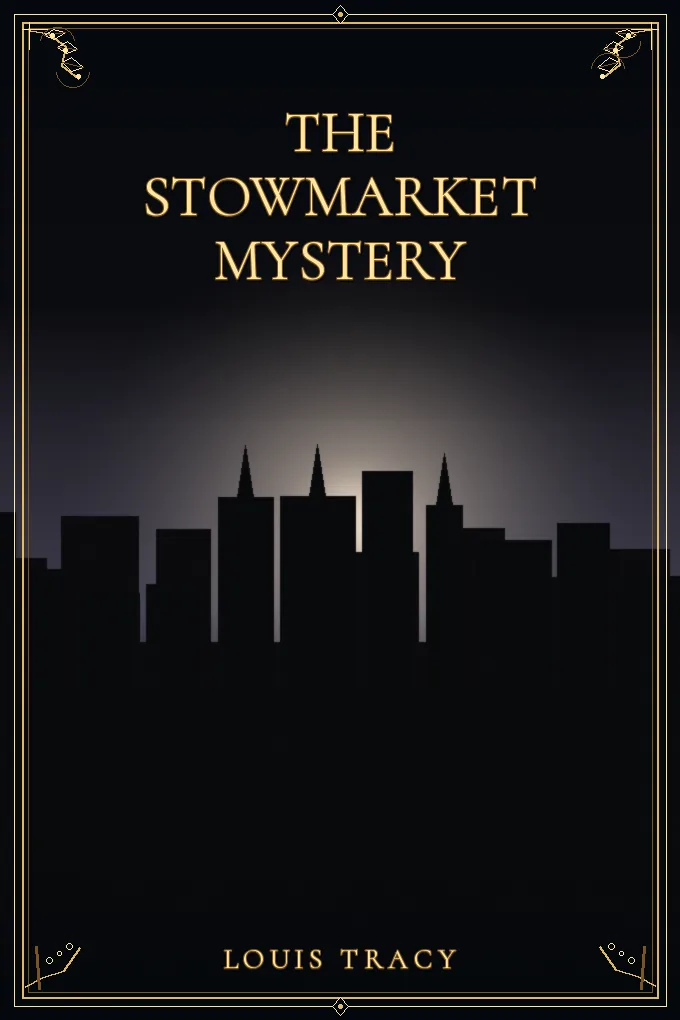
Cover illustration for The Stowmarket Mystery
Context Illustration Reading 1/38 · 5 lines
English subtitles · tap any word to listen 1 / 5
Brett closed the book with a snap.
"What good purpose can it serve at this time to reopen the miserable story?" he asked.
Curiously enough, Hume paid no heed to the question.
His lips quivered, his nostrils twitched, and his eyes shot strange gleams.
He caught the back of his chair with both hands in a grasp that tried to squeeze the tough oak.
0:00 / 0:00
Speed 0.75x
AI-generated narration by OpenAI · Slow US English
LEARNER DICTIONARY
Archivist
/ˈɑːrkɪvɪst/
Editorial verification pending

A keeper or guardian of historical records and memories.

The Stowmarket Mystery

Chapter I · Chapter 1

Chapter 1 of The Stowmarket Mystery is here in full — 192 sentences across 39 reading sections, with audio for every sentence and word.

Reading 1/38 · 5 reading units · Lines 1–5

Line 1
Brett closed the book with a snap.
Line 2
"What good purpose can it serve at this time to reopen the miserable story?" he asked.
/wʌt ɡʊd ˈpɜːrpəs kæn ɪt sɜːrv æt ðɪs taɪm tuː riˈoʊpən ðə ˈmɪzərəbəl ˈstɔːri hiː æskt/
Line 3
Curiously enough, Hume paid no heed to the question.
/ˈkjʊriəsli ɪˈnʌf hjuːm peɪd noʊ hiːd tuː ðə ˈkwestʃən/
Line 4
His lips quivered, his nostrils twitched, and his eyes shot strange gleams.
Line 5
He caught the back of his chair with both hands in a grasp that tried to squeeze the tough oak.
/hiː kɑːt ðə bæk ʌv hɪz tʃer wɪð boʊθ hændz ɪn ə ɡræsp ðæt traɪd tuː skwiːz ðə tʌf oʊk/

Learner Dictionary

These definitions explain words found in the current reading and keep every example grounded in its original sentence.

Oxford-style entry order: headword, part of speech, US IPA, concise definition, contextual example, and audio.

gleams noun US /ɡliːmz/

plural of “gleam” — an appearance of reflected light

From this reading “His lips quivered, his nostrils twitched, and his eyes shot strange gleams.”

Hume noun US /hjuːm/

Scottish philosopher skeptical philosophy restricted human knowledge to that which can be perceived by the senses (1711-1776)

From this reading “Curiously enough, Hume paid no heed to the question.”

nostrils noun US /ˈnɑːstrəlz/

plural of “nostril” — either one of the two external openings to the nasal cavity in the nose

From this reading “His lips quivered, his nostrils twitched, and his eyes shot strange gleams.”

reopen verb US /riˈoʊpən/

open again or anew

From this reading “"What good purpose can it serve at this time to reopen the miserable story?" he asked.”

snap verb US /snæp/

utter in an angry, sharp, or abrupt tone

From this reading “Brett closed the book with a snap.”

squeeze verb US /skwiːz/

to compress with violence, out of natural shape or condition

From this reading “He caught the back of his chair with both hands in a grasp that tried to squeeze the tough oak.”

tough adjective US /tʌf/

not given to gentleness or sentimentality

From this reading “He caught the back of his chair with both hands in a grasp that tried to squeeze the tough oak.”

twitched verb US /twɪtʃt/

past form of “twitch” — make an uncontrolled, short, jerky motion

From this reading “His lips quivered, his nostrils twitched, and his eyes shot strange gleams.”

All words in this reading · 52

Every word in these five lines is listed here, and every one of them can be played on its own.

Dictionary details are shown only when verified; these are not licensed Oxford entries.

adeterminerUS /ə/

used before a singular noun to mean one of a group, when it is not a particular one

From this reading Brett closed the book with a snap.

andconjunctionUS /ənd/

used to join words or parts of a sentence that go together

From this reading His lips quivered, his nostrils twitched, and his eyes shot strange gleams.

askedverbUS /æskt/

past form of “ask” — make a request or demand for something to somebody

From this reading "What good purpose can it serve at this time to reopen the miserable story?" he asked.

atprepositionUS /æt/

in or near a particular place or position

From this reading "What good purpose can it serve at this time to reopen the miserable story?" he asked.

backadverbUS /bæk/

in or to or toward a former location

From this reading He caught the back of his chair with both hands in a grasp that tried to squeeze the tough oak.

booknounUS /bʊk/

a written work or composition that has been published (printed on pages bound together)

From this reading Brett closed the book with a snap.
bothdeterminerUS /boʊθ/

the two together, not just one

From this reading He caught the back of his chair with both hands in a grasp that tried to squeeze the tough oak.

Brett

Dictionary entry pending editorial verification. Tap Listen to hear the word.

From this reading Brett closed the book with a snap.

canmodal verbUS /kæn/

to be able to, or to be allowed to

From this reading "What good purpose can it serve at this time to reopen the miserable story?" he asked.

caughtverbUS /kɑːt/

inflected form of “catch” — discover or come upon accidentally, suddenly, or unexpectedly; catch somebody doing something or in a certain state

From this reading He caught the back of his chair with both hands in a grasp that tried to squeeze the tough oak.

chairnounUS /tʃer/

a seat for one person, with a support for the back

From this reading He caught the back of his chair with both hands in a grasp that tried to squeeze the tough oak.

closedadjectiveUS /kloʊzd/

not open or affording passage or access

From this reading Brett closed the book with a snap.

CuriouslyadverbUS /ˈkjʊriəsli/

in a manner differing from the usual or expected

From this reading Curiously enough, Hume paid no heed to the question.

enoughnounUS /ɪˈnʌf/

an adequate quantity; a quantity that is large enough to achieve a purpose

From this reading Curiously enough, Hume paid no heed to the question.

eyesnounUS /aɪz/

opinion or judgment

From this reading His lips quivered, his nostrils twitched, and his eyes shot strange gleams.

gleamsnounUS /ɡliːmz/

plural of “gleam” — an appearance of reflected light

From this reading His lips quivered, his nostrils twitched, and his eyes shot strange gleams.

goodadjectiveUS /ɡʊd/

having desirable or positive qualities especially those suitable for a thing specified

From this reading "What good purpose can it serve at this time to reopen the miserable story?" he asked.

graspverbUS /ɡræsp/

hold firmly

From this reading He caught the back of his chair with both hands in a grasp that tried to squeeze the tough oak.

handsnounUS /hændz/

(with “in”) guardianship over; in divorce cases it is the right to house and care for and discipline a child

From this reading He caught the back of his chair with both hands in a grasp that tried to squeeze the tough oak.

hepronounUS /hiː/

a man, boy, or male animal already mentioned, as the subject

From this reading "What good purpose can it serve at this time to reopen the miserable story?" he asked.

heednounUS /hiːd/

paying particular notice (as to children or helpless people)

From this reading Curiously enough, Hume paid no heed to the question.

HisdeterminerUS /hɪz/

belonging to a man, boy, or male animal already mentioned

From this reading His lips quivered, his nostrils twitched, and his eyes shot strange gleams.

HumenounUS /hjuːm/

Scottish philosopher skeptical philosophy restricted human knowledge to that which can be perceived by the senses (1711-1776)

From this reading Curiously enough, Hume paid no heed to the question.

inprepositionUS /ɪn/

inside something, or within a place, period, or state

From this reading He caught the back of his chair with both hands in a grasp that tried to squeeze the tough oak.

itpronounUS /ɪt/

a thing, animal, or idea already mentioned

From this reading "What good purpose can it serve at this time to reopen the miserable story?" he asked.

lipsnounUS /lɪps/

plural of “lip” — either of two fleshy folds of tissue that surround the mouth and play a role in speaking

From this reading His lips quivered, his nostrils twitched, and his eyes shot strange gleams.

miserableadjectiveUS /ˈmɪzərəbəl/

very unhappy; full of misery

From this reading "What good purpose can it serve at this time to reopen the miserable story?" he asked.

nodeterminerUS /noʊ/

not any; not one

From this reading Curiously enough, Hume paid no heed to the question.

nostrilsnounUS /ˈnɑːstrəlz/

plural of “nostril” — either one of the two external openings to the nasal cavity in the nose

From this reading His lips quivered, his nostrils twitched, and his eyes shot strange gleams.

oaknounUS /oʊk/

the hard durable wood of any oak; used especially for furniture and flooring

From this reading He caught the back of his chair with both hands in a grasp that tried to squeeze the tough oak.

ofprepositionUS /ʌv/

belonging to, or connected with, somebody or something

From this reading He caught the back of his chair with both hands in a grasp that tried to squeeze the tough oak.

paidadjectiveUS /peɪd/

marked by the reception of pay

From this reading Curiously enough, Hume paid no heed to the question.

purposenounUS /ˈpɜːrpəs/

an anticipated outcome that is intended or that guides your planned actions

From this reading "What good purpose can it serve at this time to reopen the miserable story?" he asked.

questionverbUS /ˈkwestʃən/

challenge the accuracy, probity, or propriety of

From this reading Curiously enough, Hume paid no heed to the question.

quivered

Dictionary entry pending editorial verification. Tap Listen to hear the word.

From this reading His lips quivered, his nostrils twitched, and his eyes shot strange gleams.

reopenverbUS /riˈoʊpən/

open again or anew

From this reading "What good purpose can it serve at this time to reopen the miserable story?" he asked.

serveverbUS /sɜːrv/

serve a purpose, role, or function

From this reading "What good purpose can it serve at this time to reopen the miserable story?" he asked.

shotnounUS /ʃɑːt/

the act of firing a projectile

From this reading His lips quivered, his nostrils twitched, and his eyes shot strange gleams.

snapverbUS /snæp/

utter in an angry, sharp, or abrupt tone

From this reading Brett closed the book with a snap.

squeezeverbUS /skwiːz/

to compress with violence, out of natural shape or condition

From this reading He caught the back of his chair with both hands in a grasp that tried to squeeze the tough oak.

storynounUS /ˈstɔːri/

a message that tells the particulars of an act or occurrence or course of events; presented in writing or drama or cinema or as a radio or television program

From this reading "What good purpose can it serve at this time to reopen the miserable story?" he asked.

strangeadjectiveUS /streɪndʒ/

being definitely out of the ordinary and unexpected; slightly odd or even a bit weird

From this reading His lips quivered, his nostrils twitched, and his eyes shot strange gleams.

thatconjunctionUS /ðæt/

used to introduce what somebody said, thought, or felt

From this reading He caught the back of his chair with both hands in a grasp that tried to squeeze the tough oak.

thedeterminerUS /ðə/

used before a noun that is already known, already mentioned, or the only one of its kind

From this reading Brett closed the book with a snap.

thisdeterminerUS /ðɪs/

used for a person or thing that is near, or that has just been mentioned

From this reading "What good purpose can it serve at this time to reopen the miserable story?" he asked.

timenounUS /taɪm/

an instance or single occasion for some event

From this reading "What good purpose can it serve at this time to reopen the miserable story?" he asked.

toparticleUS /tuː/

used before the base form of a verb to make the infinitive

From this reading "What good purpose can it serve at this time to reopen the miserable story?" he asked.

toughadjectiveUS /tʌf/

not given to gentleness or sentimentality

From this reading He caught the back of his chair with both hands in a grasp that tried to squeeze the tough oak.

triedadjectiveUS /traɪd/

tested and proved useful or correct

From this reading He caught the back of his chair with both hands in a grasp that tried to squeeze the tough oak.

twitchedverbUS /twɪtʃt/

past form of “twitch” — make an uncontrolled, short, jerky motion

From this reading His lips quivered, his nostrils twitched, and his eyes shot strange gleams.

WhatpronounUS /wʌt/

used to ask for information about something

From this reading "What good purpose can it serve at this time to reopen the miserable story?" he asked.

withprepositionUS /wɪð/

in the company of; together with

From this reading Brett closed the book with a snap.

Chapter 1 of The Stowmarket Mystery by Louis Tracy holds 192 sentences, grouped into 39 reading sections of at most 5 sentences. The text is the source edition, unabridged, and the chapter records which sentences cover which part of the work so that nothing is dropped. Every word can be tapped for its pronunciation and dictionary entry.

What does chapter 1 of The Stowmarket Mystery contain?

Chapter 1 holds 192 sentences of The Stowmarket Mystery, unabridged, divided into 39 reading sections.

This page carries chapter 1 of The Stowmarket Mystery by Louis Tracy exactly as it stands in the source edition, without abridgement. It runs to 192 sentences, grouped into 39 sections of at most 5 sentences so that a reader can take the chapter in steady, finishable pieces. The chapter also stores a coverage record mapping every one of its sentences to a part of the work, which is how the edition demonstrates that no line was dropped.

How do I study chapter 1 of The Stowmarket Mystery?

Work through the 39 sections in order, replaying any sentence and tapping unfamiliar words for their entries.

Each of the 39 sections in this chapter is short enough to read once, hear once, and then re-read with the vocabulary in view. Tapping a word plays it alone and opens its dictionary entry with IPA, part of speech and meaning, so the reader is never forced to guess a pronunciation from spelling. Working section by section keeps a long chapter from becoming an undifferentiated wall of text, which is the usual reason a reader abandons a work of this period.

Can chapter 1 be read aloud to me?

Yes — every sentence and every individual word in chapter 1 can be played aloud in United States English.

Audio covers the whole chapter: any sentence can be played, and any single word within it can be played on its own. The voice uses United States English. For a work of this period that matters, because spelling is an unreliable guide to pronunciation for vocabulary that has fallen out of daily use, and a learner who guesses wrong tends to keep the error. Hearing the word in its own sentence, and then alone, settles it.

Questions about reading The Stowmarket Mystery

Common questions about reading The Stowmarket Mystery by Louis Tracy on this page, its source edition and its audio.

Is this the complete text of The Stowmarket Mystery?

Yes. All 5201 sentences of Project Gutenberg eBook #14853 are kept, with a record of which sentences cover which part.

Which edition of The Stowmarket Mystery is used?

Project Gutenberg eBook #14853, unabridged. The Project Gutenberg header, footer and licence are removed.

How long does The Stowmarket Mystery take to read?

About 433 minutes of reading across 1041 sections of 5 sentences each, at an unhurried pace.

How to read The Stowmarket Mystery section by section

How to work through The Stowmarket Mystery section by section, using the audio and the tap-to-define vocabulary.

  1. Open a chapter

    Choose one of the 32 chapters of The Stowmarket Mystery to begin.

  2. Read one section

    Each section holds 5 sentences; read it once through.

  3. Listen and tap

    Play the section aloud, then tap any unfamiliar word for its entry.

Vocabulary met early in The Stowmarket Mystery

Words and structures a reader meets early in The Stowmarket Mystery, each tappable for pronunciation and meaning.

Brett
A word that appears in the opening chapter of The Stowmarket Mystery; the reader can tap it to hear it and see its dictionary entry.
Closed
A word that appears in the opening chapter of The Stowmarket Mystery; the reader can tap it to hear it and see its dictionary entry.
Purpose
A word that appears in the opening chapter of The Stowmarket Mystery; the reader can tap it to hear it and see its dictionary entry.
Serve
A word that appears in the opening chapter of The Stowmarket Mystery; the reader can tap it to hear it and see its dictionary entry.