Complete classic literature • Five-line readings • Clear US narration
VELMORA ACADEMY
Academy of Archival Languages & Memory Studies
Menu Close
The Tin Box, and What it Contained

Chapter XIX · Chapter 19

Chapter 19 of The Tin Box, and What it Contained is here in full — 115 sentences across 23 reading sections, with audio for every sentence and word.

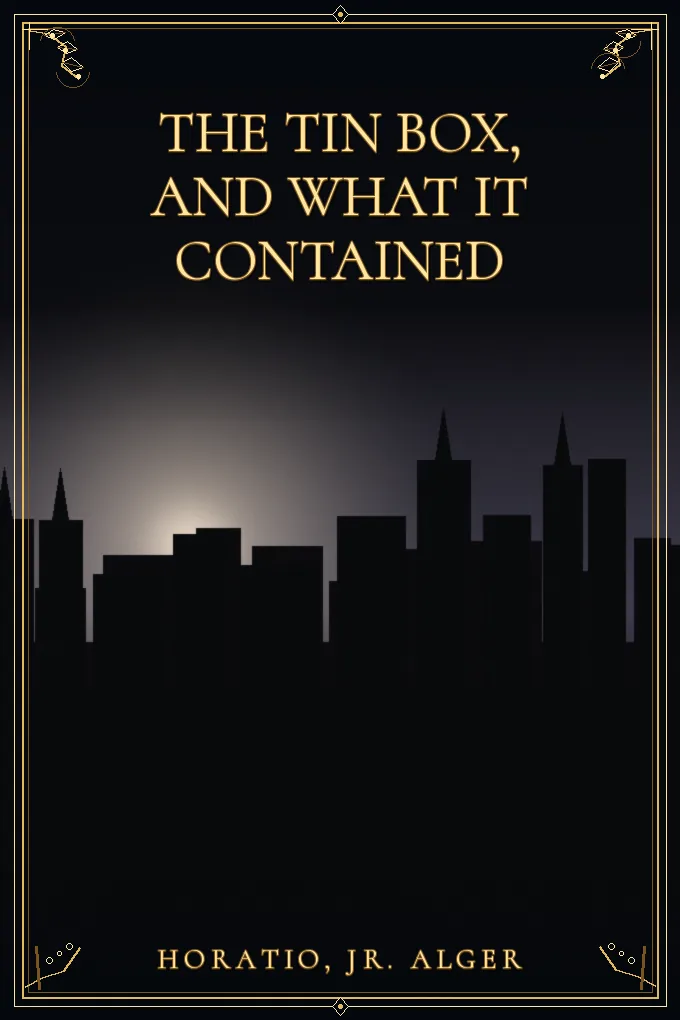
Cover illustration for The Tin Box, and What it Contained
Context Illustration Reading 1/23 · 5 lines
English subtitles · tap any word to listen 1 / 5
Harry stepped on board the train without seeing any one whom he knew, and took a seat on the right-hand side.
Just in front of him was an elderly farmer, with a face well browned by exposure to the sun and wind.
He had a kindly face, and looked sociable.
It was not long before he addressed our young hero.
Going to New York?” he asked.
0:00 / 0:00
Speed 0.75x
AI-generated narration by OpenAI · Slow US English
LEARNER DICTIONARY
Archivist
/ˈɑːrkɪvɪst/
Editorial verification pending

A keeper or guardian of historical records and memories.

The Tin Box, and What it Contained

Chapter XIX · Chapter 19

Chapter 19 of The Tin Box, and What it Contained is here in full — 115 sentences across 23 reading sections, with audio for every sentence and word.

Reading 1/23 · 5 reading units · Lines 1–5

Line 1
Harry stepped on board the train without seeing any one whom he knew, and took a seat on the right-hand side.
/ˈheri stept ɑːn bɔːrd ðə treɪn wɪˈθaʊt ˈsiːɪŋ ˈeni wʌn huːm hiː nuː ənd tʊk ə siːt ɑːn ðə raɪtˈhænd saɪd/
Line 2
Just in front of him was an elderly farmer, with a face well browned by exposure to the sun and wind.
/dʒʌst ɪn frʌnt ʌv hɪm wɑːz æn ˈeldərli ˈfɑːrmər wɪð ə feɪs wel braʊnd baɪ ɪkˈspoʊʒər tuː ðə sʌn ənd waɪnd/
Line 3
He had a kindly face, and looked sociable.
/hiː hæd ə ˈkaɪndli feɪs ənd lʊkt ˈsoʊʃəbəl/
Line 4
It was not long before he addressed our young hero.
/ɪt wɑːz nɑːt lɔːŋ bɪˈfɔːr hiː əˈdrest ˈaʊər jʌŋ ˈhɪroʊ/
Line 5
Going to New York?” he asked.
/ˈɡoʊɪŋ tuː nuː jɔːrk hiː æskt/

Learner Dictionary

These definitions explain words found in the current reading and keep every example grounded in its original sentence.

Oxford-style entry order: headword, part of speech, US IPA, concise definition, contextual example, and audio.

addressed adjective US /əˈdrest/

(of mail) marked with a destination

From this reading “It was not long before he addressed our young hero.”

browned adjective US /braʊnd/

(of skin) deeply suntanned

From this reading “Just in front of him was an elderly farmer, with a face well browned by exposure to the sun and wind.”

elderly adjective US /ˈeldərli/

advanced in years; (“aged” is pronounced as two syllables)

From this reading “Just in front of him was an elderly farmer, with a face well browned by exposure to the sun and wind.”

exposure noun US /ɪkˈspoʊʒər/

vulnerability to the elements; to the action of heat or cold or wind or rain

From this reading “Just in front of him was an elderly farmer, with a face well browned by exposure to the sun and wind.”

farmer noun US /ˈfɑːrmər/

a person who operates a farm

From this reading “Just in front of him was an elderly farmer, with a face well browned by exposure to the sun and wind.”

hero noun US /ˈhɪroʊ/

a man distinguished by exceptional courage and nobility and strength

From this reading “It was not long before he addressed our young hero.”

right-hand adjective US /raɪtˈhænd/

located on or directed toward the right

From this reading “Harry stepped on board the train without seeing any one whom he knew, and took a seat on the right-hand side.”

sociable adjective US /ˈsoʊʃəbəl/

inclined to or conducive to companionship with others

From this reading “He had a kindly face, and looked sociable.”

All words in this reading · 53

Every word in these five lines is listed here, and every one of them can be played on its own.

Dictionary details are shown only when verified; these are not licensed Oxford entries.

adeterminerUS /ə/

used before a singular noun to mean one of a group, when it is not a particular one

From this reading Harry stepped on board the train without seeing any one whom he knew, and took a seat on the right-hand side.

addressedadjectiveUS /əˈdrest/

(of mail) marked with a destination

From this reading It was not long before he addressed our young hero.

andeterminerUS /æn/

the form of “a” used before a word that begins with a vowel sound

From this reading Just in front of him was an elderly farmer, with a face well browned by exposure to the sun and wind.

andconjunctionUS /ənd/

used to join words or parts of a sentence that go together

From this reading Harry stepped on board the train without seeing any one whom he knew, and took a seat on the right-hand side.

anyadjectiveUS /ˈeni/

one or some or every or all without specification

From this reading Harry stepped on board the train without seeing any one whom he knew, and took a seat on the right-hand side.

askedverbUS /æskt/

past form of “ask” — make a request or demand for something to somebody

From this reading “Going to New York?” he asked.

beforeprepositionUS /bɪˈfɔːr/

earlier than; in front of

From this reading It was not long before he addressed our young hero.

boardnounUS /bɔːrd/

a committee having supervisory powers

From this reading Harry stepped on board the train without seeing any one whom he knew, and took a seat on the right-hand side.

brownedadjectiveUS /braʊnd/

(of skin) deeply suntanned

From this reading Just in front of him was an elderly farmer, with a face well browned by exposure to the sun and wind.

byprepositionUS /baɪ/

showing who or what does the action

From this reading Just in front of him was an elderly farmer, with a face well browned by exposure to the sun and wind.

elderlyadjectiveUS /ˈeldərli/

advanced in years; (“aged” is pronounced as two syllables)

From this reading Just in front of him was an elderly farmer, with a face well browned by exposure to the sun and wind.

exposurenounUS /ɪkˈspoʊʒər/

vulnerability to the elements; to the action of heat or cold or wind or rain

From this reading Just in front of him was an elderly farmer, with a face well browned by exposure to the sun and wind.

facenounUS /feɪs/

the front of the human head from the forehead to the chin and ear to ear

From this reading Just in front of him was an elderly farmer, with a face well browned by exposure to the sun and wind.

farmernounUS /ˈfɑːrmər/

a person who operates a farm

From this reading Just in front of him was an elderly farmer, with a face well browned by exposure to the sun and wind.

frontnounUS /frʌnt/

the side that is forward or prominent

From this reading Just in front of him was an elderly farmer, with a face well browned by exposure to the sun and wind.

GoingnounUS /ˈɡoʊɪŋ/

the act of departing

From this reading “Going to New York?” he asked.

hadauxiliary verbUS /hæd/

the past form of “have”, used to form the past perfect

From this reading He had a kindly face, and looked sociable.

HarryverbUS /ˈheri/

annoy continually or chronically

From this reading Harry stepped on board the train without seeing any one whom he knew, and took a seat on the right-hand side.

hepronounUS /hiː/

a man, boy, or male animal already mentioned, as the subject

From this reading Harry stepped on board the train without seeing any one whom he knew, and took a seat on the right-hand side.

heronounUS /ˈhɪroʊ/

a man distinguished by exceptional courage and nobility and strength

From this reading It was not long before he addressed our young hero.

himpronounUS /hɪm/

the male already mentioned, as the object of a verb or preposition

From this reading Just in front of him was an elderly farmer, with a face well browned by exposure to the sun and wind.

inprepositionUS /ɪn/

inside something, or within a place, period, or state

From this reading Just in front of him was an elderly farmer, with a face well browned by exposure to the sun and wind.

ItpronounUS /ɪt/

a thing, animal, or idea already mentioned

From this reading It was not long before he addressed our young hero.

JustadverbUS /dʒʌst/

and nothing more

From this reading Just in front of him was an elderly farmer, with a face well browned by exposure to the sun and wind.

kindlyadjectiveUS /ˈkaɪndli/

showing or motivated by sympathy and understanding and generosity

From this reading He had a kindly face, and looked sociable.

knewverbUS /nuː/

inflected form of “know” — be cognizant or aware of a fact or a specific piece of information; possess knowledge or information about

From this reading Harry stepped on board the train without seeing any one whom he knew, and took a seat on the right-hand side.

longadjectiveUS /lɔːŋ/

primarily temporal sense; being or indicating a relatively great or greater than average duration or passage of time or a duration as specified

From this reading It was not long before he addressed our young hero.

lookedverbUS /lʊkt/

past form of “look” — perceive with attention; direct one's gaze towards

From this reading He had a kindly face, and looked sociable.

NewadjectiveUS /nuː/

not of long duration; having just (or relatively recently) come into being or been made or acquired or discovered

From this reading “Going to New York?” he asked.

notadverbUS /nɑːt/

used to make a word, phrase, or sentence negative

From this reading It was not long before he addressed our young hero.

ofprepositionUS /ʌv/

belonging to, or connected with, somebody or something

From this reading Just in front of him was an elderly farmer, with a face well browned by exposure to the sun and wind.

onprepositionUS /ɑːn/

touching and supported by a surface

From this reading Harry stepped on board the train without seeing any one whom he knew, and took a seat on the right-hand side.

onepronounUS /wʌn/

used to mean any person in general, including the speaker

From this reading Harry stepped on board the train without seeing any one whom he knew, and took a seat on the right-hand side.

ourdeterminerUS /ˈaʊər/

belonging to the speaker and others

From this reading It was not long before he addressed our young hero.

right-handadjectiveUS /raɪtˈhænd/

located on or directed toward the right

From this reading Harry stepped on board the train without seeing any one whom he knew, and took a seat on the right-hand side.

seatnounUS /siːt/

a space reserved for sitting (as in a theater or on a train or airplane)

From this reading Harry stepped on board the train without seeing any one whom he knew, and took a seat on the right-hand side.

seeingnounUS /ˈsiːɪŋ/

perception by means of the eyes

From this reading Harry stepped on board the train without seeing any one whom he knew, and took a seat on the right-hand side.

sidenounUS /saɪd/

a place within a region identified relative to a center or reference location

From this reading Harry stepped on board the train without seeing any one whom he knew, and took a seat on the right-hand side.

sociableadjectiveUS /ˈsoʊʃəbəl/

inclined to or conducive to companionship with others

From this reading He had a kindly face, and looked sociable.

steppedverbUS /stept/

inflected form of “step” — shift or move by taking a step

From this reading Harry stepped on board the train without seeing any one whom he knew, and took a seat on the right-hand side.

sunnounUS /sʌn/

the star that is the source of light and heat for the planets in the solar system

From this reading Just in front of him was an elderly farmer, with a face well browned by exposure to the sun and wind.

thedeterminerUS /ðə/

used before a noun that is already known, already mentioned, or the only one of its kind

From this reading Harry stepped on board the train without seeing any one whom he knew, and took a seat on the right-hand side.

toparticleUS /tuː/

used before the base form of a verb to make the infinitive

From this reading Just in front of him was an elderly farmer, with a face well browned by exposure to the sun and wind.

tookverbUS /tʊk/

inflected form of “take” — carry out

From this reading Harry stepped on board the train without seeing any one whom he knew, and took a seat on the right-hand side.

trainverbUS /treɪn/

create by training and teaching

From this reading Harry stepped on board the train without seeing any one whom he knew, and took a seat on the right-hand side.

wasauxiliary verbUS /wɑːz/

the past form of “be” used with I, he, she, it, or a singular noun

From this reading Just in front of him was an elderly farmer, with a face well browned by exposure to the sun and wind.

welladverbUS /wel/

(often used as a combining form) in a good or proper or satisfactory manner or to a high standard (“good” is a nonstandard dialectal variant for “well”)

From this reading Just in front of him was an elderly farmer, with a face well browned by exposure to the sun and wind.

whompronounUS /huːm/

the form of “who” used as the object of a verb or preposition

From this reading Harry stepped on board the train without seeing any one whom he knew, and took a seat on the right-hand side.

windnounUS /waɪnd/

air moving (sometimes with considerable force) from an area of high pressure to an area of low pressure

From this reading Just in front of him was an elderly farmer, with a face well browned by exposure to the sun and wind.

withprepositionUS /wɪð/

in the company of; together with

From this reading Just in front of him was an elderly farmer, with a face well browned by exposure to the sun and wind.

withoutprepositionUS /wɪˈθaʊt/

not having, not using, or not accompanied by

From this reading Harry stepped on board the train without seeing any one whom he knew, and took a seat on the right-hand side.

YorknounUS /jɔːrk/

the English royal house (a branch of the Plantagenet line) that reigned from 1461 to 1485; its emblem was a white rose

From this reading “Going to New York?” he asked.

youngadjectiveUS /jʌŋ/

(used of living things especially persons) in an early period of life or development or growth

From this reading It was not long before he addressed our young hero.

Chapter 19 of The Tin Box, and What it Contained by Horatio, Jr. Alger holds 115 sentences, grouped into 23 reading sections of at most 5 sentences. The text is the source edition, unabridged, and the chapter records which sentences cover which part of the work so that nothing is dropped. Every word can be tapped for its pronunciation and dictionary entry.

What does chapter 19 of The Tin Box, and What it Contained contain?

Chapter 19 holds 115 sentences of The Tin Box, and What it Contained, unabridged, divided into 23 reading sections.

This page carries chapter 19 of The Tin Box, and What it Contained by Horatio, Jr. Alger exactly as it stands in the source edition, without abridgement. It runs to 115 sentences, grouped into 23 sections of at most 5 sentences so that a reader can take the chapter in steady, finishable pieces. The chapter also stores a coverage record mapping every one of its sentences to a part of the work, which is how the edition demonstrates that no line was dropped.

How do I study chapter 19 of The Tin Box, and What it Contained?

Work through the 23 sections in order, replaying any sentence and tapping unfamiliar words for their entries.

Each of the 23 sections in this chapter is short enough to read once, hear once, and then re-read with the vocabulary in view. Tapping a word plays it alone and opens its dictionary entry with IPA, part of speech and meaning, so the reader is never forced to guess a pronunciation from spelling. Working section by section keeps a long chapter from becoming an undifferentiated wall of text, which is the usual reason a reader abandons a work of this period.

Can chapter 19 be read aloud to me?

Yes — every sentence and every individual word in chapter 19 can be played aloud in United States English.

Audio covers the whole chapter: any sentence can be played, and any single word within it can be played on its own. The voice uses United States English. For a work of this period that matters, because spelling is an unreliable guide to pronunciation for vocabulary that has fallen out of daily use, and a learner who guesses wrong tends to keep the error. Hearing the word in its own sentence, and then alone, settles it.

Questions about reading The Tin Box, and What it Contained

Common questions about reading The Tin Box, and What it Contained by Horatio, Jr. Alger on this page, its source edition and its audio.

Is this the complete text of The Tin Box, and What it Contained?

Yes. All 4225 sentences of Project Gutenberg eBook #27222 are kept, with a record of which sentences cover which part.

Which edition of The Tin Box, and What it Contained is used?

Project Gutenberg eBook #27222, unabridged. The Project Gutenberg header, footer and licence are removed.

How long does The Tin Box, and What it Contained take to read?

About 352 minutes of reading across 845 sections of 5 sentences each, at an unhurried pace.

How to read The Tin Box, and What it Contained section by section

How to work through The Tin Box, and What it Contained section by section, using the audio and the tap-to-define vocabulary.

  1. Open a chapter

    Choose one of the 40 chapters of The Tin Box, and What it Contained to begin.

  2. Read one section

    Each section holds 5 sentences; read it once through.

  3. Listen and tap

    Play the section aloud, then tap any unfamiliar word for its entry.

Vocabulary met early in The Tin Box, and What it Contained

Words and structures a reader meets early in The Tin Box, and What it Contained, each tappable for pronunciation and meaning.

Horatio
A word that appears in the opening chapter of The Tin Box, and What it Contained; the reader can tap it to hear it and see its dictionary entry.
Alger
A word that appears in the opening chapter of The Tin Box, and What it Contained; the reader can tap it to hear it and see its dictionary entry.
Finished
A word that appears in the opening chapter of The Tin Box, and What it Contained; the reader can tap it to hear it and see its dictionary entry.
Breakfast
A word that appears in the opening chapter of The Tin Box, and What it Contained; the reader can tap it to hear it and see its dictionary entry.