Complete classic literature • Five-line readings • Clear US narration
VELMORA ACADEMY
Academy of Archival Languages & Memory Studies
Menu Close
The Twenty-Fourth of June: Midsummer's Day

Chapter XVII · Chapter 17

Chapter 17 of The Twenty-Fourth of June: Midsummer's Day is here in full — 198 sentences across 40 reading sections, with audio for every sentence and word.

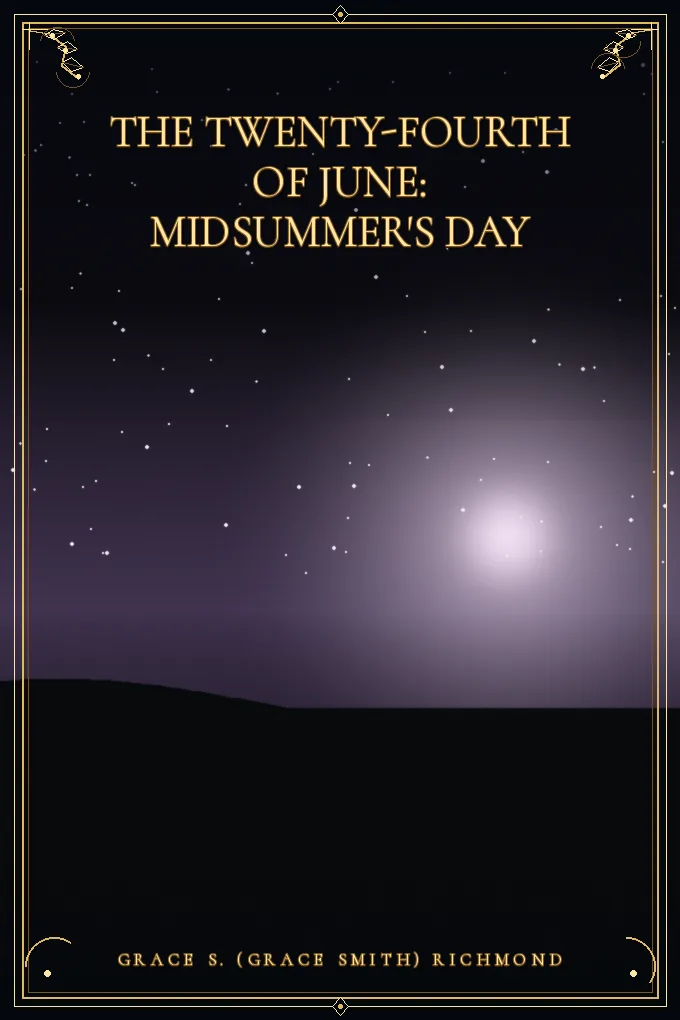
Cover illustration for The Twenty-Fourth of June: Midsummer's Day
Context Illustration Reading 1/39 · 5 lines
English subtitles · tap any word to listen 1 / 5
THE NAILING OF A FLAG "Well--well--well!" drawled a voice at Richard Kendrick's elbow.
"How are you, old man?
Haven't seen you since before the days of Noah!
Off to that country shop of yours?
I say, take me along, will you?
0:00 / 0:00
Speed 0.75x
AI-generated narration by OpenAI · Slow US English
LEARNER DICTIONARY
Archivist
/ˈɑːrkɪvɪst/
Editorial verification pending

A keeper or guardian of historical records and memories.

The Twenty-Fourth of June: Midsummer's Day

Chapter XVII · Chapter 17

Chapter 17 of The Twenty-Fourth of June: Midsummer's Day is here in full — 198 sentences across 40 reading sections, with audio for every sentence and word.

Reading 1/39 · 5 reading units · Lines 1–5

Line 1
THE NAILING OF A FLAG "Well--well--well!" drawled a voice at Richard Kendrick's elbow.
Line 2
"How are you, old man?
Line 3
Haven't seen you since before the days of Noah!
Line 4
Off to that country shop of yours?
/ɔːf tuː ðæt ˈkʌntri ʃɑːp ʌv jʊrz/
Line 5
I say, take me along, will you?
/aɪ seɪ teɪk miː əˈlɔːŋ wɪl juː/

Learner Dictionary

These definitions explain words found in the current reading and keep every example grounded in its original sentence.

Oxford-style entry order: headword, part of speech, US IPA, concise definition, contextual example, and audio.

along preposition US /əˈlɔːŋ/

following the length of something from one end toward the other

From this reading “I say, take me along, will you?”

drawled verb US /drɔːld/

past form of “drawl” — lengthen and slow down or draw out

From this reading “THE NAILING OF A FLAG "Well--well--well!" drawled a voice at Richard Kendrick's elbow.”

elbow noun US /ˈelboʊ/

hinge joint between the forearm and upper arm and the corresponding joint in the forelimb of a quadruped

From this reading “THE NAILING OF A FLAG "Well--well--well!" drawled a voice at Richard Kendrick's elbow.”

flag noun US /flæɡ/

emblem usually consisting of a rectangular piece of cloth of distinctive design

From this reading “THE NAILING OF A FLAG "Well--well--well!" drawled a voice at Richard Kendrick's elbow.”

nailing verb US /ˈneɪlɪŋ/

-ing form of “nail” — attach something somewhere by means of nails

From this reading “THE NAILING OF A FLAG "Well--well--well!" drawled a voice at Richard Kendrick's elbow.”

Noah noun US /ˈnoʊə/

the Hebrew patriarch who saved himself and his family and the animals by building an ark in which they survived 40 days and 40 nights of rain; the story of Noah and the flood is told in the Book of Genesis

From this reading “Haven't seen you since before the days of Noah!”

shop verb US /ʃɑːp/

do one's shopping

From this reading “Off to that country shop of yours?”

yours pronoun US /jʊrz/

the one or ones belonging to the person spoken to

From this reading “Off to that country shop of yours?”

All words in this reading · 35

Every word in these five lines is listed here, and every one of them can be played on its own.

Dictionary details are shown only when verified; these are not licensed Oxford entries.

AdeterminerUS /ə/

used before a singular noun to mean one of a group, when it is not a particular one

From this reading THE NAILING OF A FLAG "Well--well--well!" drawled a voice at Richard Kendrick's elbow.

alongprepositionUS /əˈlɔːŋ/

following the length of something from one end toward the other

From this reading I say, take me along, will you?

areauxiliary verbUS /ɑːr/

the form of “be” used with you, we, they, or a plural noun

From this reading "How are you, old man?

atprepositionUS /æt/

in or near a particular place or position

From this reading THE NAILING OF A FLAG "Well--well--well!" drawled a voice at Richard Kendrick's elbow.

beforeprepositionUS /bɪˈfɔːr/

earlier than; in front of

From this reading Haven't seen you since before the days of Noah!

countrynounUS /ˈkʌntri/

a politically organized body of people under a single government

From this reading Off to that country shop of yours?

daysnounUS /deɪz/

the time during which someone's life continues

From this reading Haven't seen you since before the days of Noah!

drawledverbUS /drɔːld/

past form of “drawl” — lengthen and slow down or draw out

From this reading THE NAILING OF A FLAG "Well--well--well!" drawled a voice at Richard Kendrick's elbow.

elbownounUS /ˈelboʊ/

hinge joint between the forearm and upper arm and the corresponding joint in the forelimb of a quadruped

From this reading THE NAILING OF A FLAG "Well--well--well!" drawled a voice at Richard Kendrick's elbow.

FLAGnounUS /flæɡ/

emblem usually consisting of a rectangular piece of cloth of distinctive design

From this reading THE NAILING OF A FLAG "Well--well--well!" drawled a voice at Richard Kendrick's elbow.

Haven't

Dictionary entry pending editorial verification. Tap Listen to hear the word.

From this reading Haven't seen you since before the days of Noah!

How

Dictionary entry pending editorial verification. Tap Listen to hear the word.

From this reading "How are you, old man?

IpronounUS /aɪ/

the person speaking or writing, as the subject of the verb

From this reading I say, take me along, will you?

Kendrick's

Dictionary entry pending editorial verification. Tap Listen to hear the word.

From this reading THE NAILING OF A FLAG "Well--well--well!" drawled a voice at Richard Kendrick's elbow.

mannounUS /mæn/

an adult person who is male (as opposed to a woman)

From this reading "How are you, old man?

mepronounUS /miː/

the person speaking, as the object of a verb or preposition

From this reading I say, take me along, will you?

NAILINGverbUS /ˈneɪlɪŋ/

-ing form of “nail” — attach something somewhere by means of nails

From this reading THE NAILING OF A FLAG "Well--well--well!" drawled a voice at Richard Kendrick's elbow.

NoahnounUS /ˈnoʊə/

the Hebrew patriarch who saved himself and his family and the animals by building an ark in which they survived 40 days and 40 nights of rain; the story of Noah and the flood is told in the Book of Genesis

From this reading Haven't seen you since before the days of Noah!

OFprepositionUS /ʌv/

belonging to, or connected with, somebody or something

From this reading THE NAILING OF A FLAG "Well--well--well!" drawled a voice at Richard Kendrick's elbow.

OffadverbUS /ɔːf/

from a particular thing or place or position (“forth” is obsolete)

From this reading Off to that country shop of yours?

oldadjectiveUS /oʊld/

(used especially of persons) having lived for a relatively long time or attained a specific age

From this reading "How are you, old man?

Richard

Dictionary entry pending editorial verification. Tap Listen to hear the word.

From this reading THE NAILING OF A FLAG "Well--well--well!" drawled a voice at Richard Kendrick's elbow.

sayverbUS /seɪ/

express in words

From this reading I say, take me along, will you?

seenverbUS /siːn/

inflected form of “see” — perceive by sight or have the power to perceive by sight

From this reading Haven't seen you since before the days of Noah!

shopverbUS /ʃɑːp/

do one's shopping

From this reading Off to that country shop of yours?

sinceprepositionUS /sɪns/

from a time in the past until now

From this reading Haven't seen you since before the days of Noah!

takeverbUS /teɪk/

carry out

From this reading I say, take me along, will you?

thatconjunctionUS /ðæt/

used to introduce what somebody said, thought, or felt

From this reading Off to that country shop of yours?

THEdeterminerUS /ðə/

used before a noun that is already known, already mentioned, or the only one of its kind

From this reading THE NAILING OF A FLAG "Well--well--well!" drawled a voice at Richard Kendrick's elbow.

toparticleUS /tuː/

used before the base form of a verb to make the infinitive

From this reading Off to that country shop of yours?

voicenounUS /vɔɪs/

the distinctive quality or pitch or condition of a person's speech

From this reading THE NAILING OF A FLAG "Well--well--well!" drawled a voice at Richard Kendrick's elbow.

WelladverbUS /wel/

(often used as a combining form) in a good or proper or satisfactory manner or to a high standard (“good” is a nonstandard dialectal variant for “well”)

From this reading THE NAILING OF A FLAG "Well--well--well!" drawled a voice at Richard Kendrick's elbow.

willmodal verbUS /wɪl/

used to talk about the future, or about willingness

From this reading I say, take me along, will you?

youpronounUS /juː/

the person or people being spoken to

From this reading "How are you, old man?

yourspronounUS /jʊrz/

the one or ones belonging to the person spoken to

From this reading Off to that country shop of yours?

Chapter 17 of The Twenty-Fourth of June: Midsummer's Day by Grace S. (Grace Smith) Richmond holds 198 sentences, grouped into 40 reading sections of at most 5 sentences. The text is the source edition, unabridged, and the chapter records which sentences cover which part of the work so that nothing is dropped. Every word can be tapped for its pronunciation and dictionary entry.

What does chapter 17 of The Twenty-Fourth of June: Midsummer's Day contain?

Chapter 17 holds 198 sentences of The Twenty-Fourth of June: Midsummer's Day, unabridged, divided into 40 reading sections.

This page carries chapter 17 of The Twenty-Fourth of June: Midsummer's Day by Grace S. (Grace Smith) Richmond exactly as it stands in the source edition, without abridgement. It runs to 198 sentences, grouped into 40 sections of at most 5 sentences so that a reader can take the chapter in steady, finishable pieces. The chapter also stores a coverage record mapping every one of its sentences to a part of the work, which is how the edition demonstrates that no line was dropped.

How do I study chapter 17 of The Twenty-Fourth of June: Midsummer's Day?

Work through the 40 sections in order, replaying any sentence and tapping unfamiliar words for their entries.

Each of the 40 sections in this chapter is short enough to read once, hear once, and then re-read with the vocabulary in view. Tapping a word plays it alone and opens its dictionary entry with IPA, part of speech and meaning, so the reader is never forced to guess a pronunciation from spelling. Working section by section keeps a long chapter from becoming an undifferentiated wall of text, which is the usual reason a reader abandons a work of this period.

Can chapter 17 be read aloud to me?

Yes — every sentence and every individual word in chapter 17 can be played aloud in United States English.

Audio covers the whole chapter: any sentence can be played, and any single word within it can be played on its own. The voice uses United States English. For a work of this period that matters, because spelling is an unreliable guide to pronunciation for vocabulary that has fallen out of daily use, and a learner who guesses wrong tends to keep the error. Hearing the word in its own sentence, and then alone, settles it.

Questions about reading The Twenty-Fourth of June: Midsummer's Day

Common questions about reading The Twenty-Fourth of June: Midsummer's Day by Grace S. (Grace Smith) Richmond on this page, its source edition and its audio.

Is this the complete text of The Twenty-Fourth of June: Midsummer's Day?

Yes. All 5396 sentences of Project Gutenberg eBook #14491 are kept, with a record of which sentences cover which part.

Which edition of The Twenty-Fourth of June: Midsummer's Day is used?

Project Gutenberg eBook #14491, unabridged. The Project Gutenberg header, footer and licence are removed.

How long does The Twenty-Fourth of June: Midsummer's Day take to read?

About 449 minutes of reading across 1080 sections of 5 sentences each, at an unhurried pace.

How to read The Twenty-Fourth of June: Midsummer's Day section by section

How to work through The Twenty-Fourth of June: Midsummer's Day section by section, using the audio and the tap-to-define vocabulary.

  1. Open a chapter

    Choose one of the 24 chapters of The Twenty-Fourth of June: Midsummer's Day to begin.

  2. Read one section

    Each section holds 5 sentences; read it once through.

  3. Listen and tap

    Play the section aloud, then tap any unfamiliar word for its entry.

Vocabulary met early in The Twenty-Fourth of June: Midsummer's Day

Words and structures a reader meets early in The Twenty-Fourth of June: Midsummer's Day, each tappable for pronunciation and meaning.

Richard
A word that appears in the opening chapter of The Twenty-Fourth of June: Midsummer's Day; the reader can tap it to hear it and see its dictionary entry.
Kendrick
A word that appears in the opening chapter of The Twenty-Fourth of June: Midsummer's Day; the reader can tap it to hear it and see its dictionary entry.
Fortnight
A word that appears in the opening chapter of The Twenty-Fourth of June: Midsummer's Day; the reader can tap it to hear it and see its dictionary entry.
Later
A word that appears in the opening chapter of The Twenty-Fourth of June: Midsummer's Day; the reader can tap it to hear it and see its dictionary entry.