Complete classic literature • Five-line readings • Clear US narration
VELMORA ACADEMY
Academy of Archival Languages & Memory Studies
Menu Close
The Tyranny of Weakness

Chapter XXVII · Chapter 27

Chapter 27 of The Tyranny of Weakness is here in full — 230 sentences across 46 reading sections, with audio for every sentence and word.

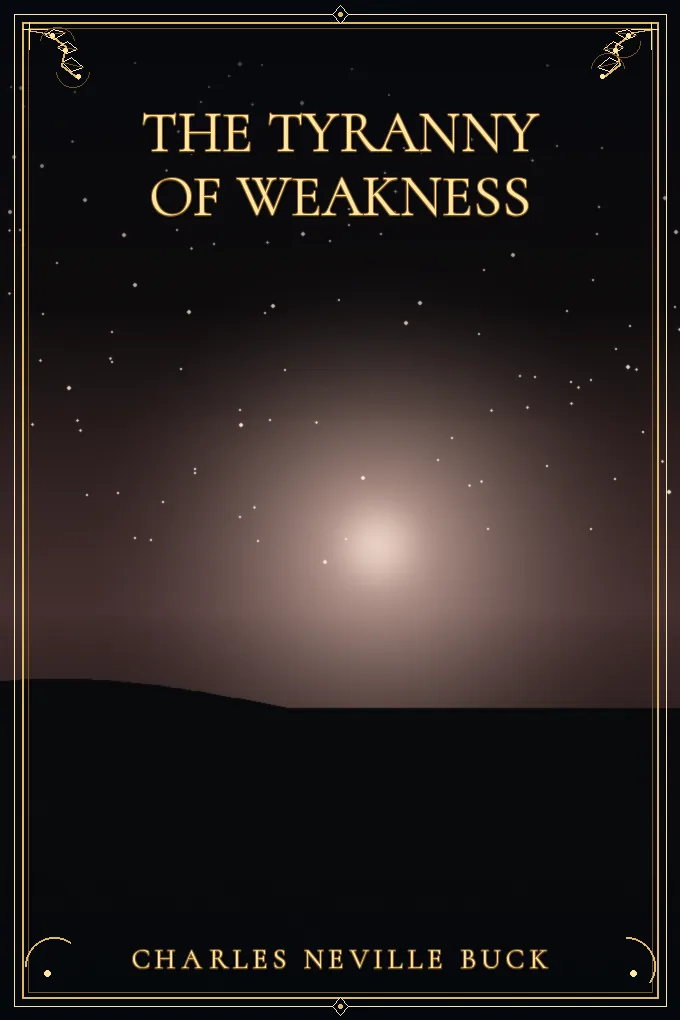
Cover illustration for The Tyranny of Weakness
Context Illustration Reading 1/46 · 5 lines
English subtitles · tap any word to listen 1 / 5
Even when he had comfortably settled himself Mr. Hagan's initial comment was irrelevant.
"Your place is decidedly changed, Mr. Tollman.
Improved I should call it."
"Thank you.
Please state your business."
0:00 / 0:00
Speed 0.75x
AI-generated narration by OpenAI · Slow US English
LEARNER DICTIONARY
Archivist
/ˈɑːrkɪvɪst/
Editorial verification pending

A keeper or guardian of historical records and memories.

The Tyranny of Weakness

Chapter XXVII · Chapter 27

Chapter 27 of The Tyranny of Weakness is here in full — 230 sentences across 46 reading sections, with audio for every sentence and word.

Reading 1/46 · 5 reading units · Lines 1–5

Line 1
Even when he had comfortably settled himself Mr. Hagan's initial comment was irrelevant.
Line 2
"Your place is decidedly changed, Mr. Tollman.
Line 3
Improved I should call it."
/ˌɪmˈpruːvd aɪ ʃʊd kɔːl ɪt/
Line 4
"Thank you.
/θæŋk juː/
Line 5
Please state your business."
/pliːz steɪt jɔːr ˈbɪznəs/

Learner Dictionary

These definitions explain words found in the current reading and keep every example grounded in its original sentence.

Oxford-style entry order: headword, part of speech, US IPA, concise definition, contextual example, and audio.

changed adjective US /tʃeɪndʒd/

made or become different in nature or form

From this reading “"Your place is decidedly changed, Mr. Tollman.”

comfortably adverb US /ˈkʌmfərtəbli/

in mental comfort; without stress

From this reading “Even when he had comfortably settled himself Mr. Hagan's initial comment was irrelevant.”

comment noun US /ˈkɑːment/

a statement that expresses a personal opinion or belief or adds information

From this reading “Even when he had comfortably settled himself Mr. Hagan's initial comment was irrelevant.”

decidedly adverb US /ˌdɪˈsaɪdədli/

without question and beyond doubt

From this reading “"Your place is decidedly changed, Mr. Tollman.”

Improved adjective US /ˌɪmˈpruːvd/

made more desirable or valuable or profitable; especially made ready for use or marketing

From this reading “Improved I should call it."”

initial noun US /ˌɪˈnɪʃəl/

the first letter of a word (especially a person's name)

From this reading “Even when he had comfortably settled himself Mr. Hagan's initial comment was irrelevant.”

irrelevant adjective US /ˌɪˈreləvənt/

having no bearing on or connection with the subject at issue

From this reading “Even when he had comfortably settled himself Mr. Hagan's initial comment was irrelevant.”

settled adjective US /ˈsetəld/

established or decided beyond dispute or doubt

From this reading “Even when he had comfortably settled himself Mr. Hagan's initial comment was irrelevant.”

All words in this reading · 29

Every word in these five lines is listed here, and every one of them can be played on its own.

Dictionary details are shown only when verified; these are not licensed Oxford entries.

businessnounUS /ˈbɪznəs/

a commercial or industrial enterprise and the people who constitute it

From this reading Please state your business."

callverbUS /kɔːl/

assign a specified (usually proper) proper name to

From this reading Improved I should call it."

changedadjectiveUS /tʃeɪndʒd/

made or become different in nature or form

From this reading "Your place is decidedly changed, Mr. Tollman.

comfortablyadverbUS /ˈkʌmfərtəbli/

in mental comfort; without stress

From this reading Even when he had comfortably settled himself Mr. Hagan's initial comment was irrelevant.

commentnounUS /ˈkɑːment/

a statement that expresses a personal opinion or belief or adds information

From this reading Even when he had comfortably settled himself Mr. Hagan's initial comment was irrelevant.

decidedlyadverbUS /ˌdɪˈsaɪdədli/

without question and beyond doubt

From this reading "Your place is decidedly changed, Mr. Tollman.

EvenadjectiveUS /ˈiːvɪn/

divisible by two

From this reading Even when he had comfortably settled himself Mr. Hagan's initial comment was irrelevant.

hadauxiliary verbUS /hæd/

the past form of “have”, used to form the past perfect

From this reading Even when he had comfortably settled himself Mr. Hagan's initial comment was irrelevant.

Hagan's

Dictionary entry pending editorial verification. Tap Listen to hear the word.

From this reading Even when he had comfortably settled himself Mr. Hagan's initial comment was irrelevant.

hepronounUS /hiː/

a man, boy, or male animal already mentioned, as the subject

From this reading Even when he had comfortably settled himself Mr. Hagan's initial comment was irrelevant.

himselfpronounUS /hɪmˈself/

used when the man or boy doing the action is also its object

From this reading Even when he had comfortably settled himself Mr. Hagan's initial comment was irrelevant.

IpronounUS /aɪ/

the person speaking or writing, as the subject of the verb

From this reading Improved I should call it."

ImprovedadjectiveUS /ˌɪmˈpruːvd/

made more desirable or valuable or profitable; especially made ready for use or marketing

From this reading Improved I should call it."

initialnounUS /ˌɪˈnɪʃəl/

the first letter of a word (especially a person's name)

From this reading Even when he had comfortably settled himself Mr. Hagan's initial comment was irrelevant.

irrelevantadjectiveUS /ˌɪˈreləvənt/

having no bearing on or connection with the subject at issue

From this reading Even when he had comfortably settled himself Mr. Hagan's initial comment was irrelevant.

isauxiliary verbUS /ɪz/

the form of “be” used with he, she, it, or a singular noun

From this reading "Your place is decidedly changed, Mr. Tollman.

itpronounUS /ɪt/

a thing, animal, or idea already mentioned

From this reading Improved I should call it."

MrnounUS /ˈmɪstər/

a form of address for a man

From this reading Even when he had comfortably settled himself Mr. Hagan's initial comment was irrelevant.

placenounUS /pleɪs/

a point located with respect to surface features of some region

From this reading "Your place is decidedly changed, Mr. Tollman.

PleaseverbUS /pliːz/

give pleasure to or be pleasing to

From this reading Please state your business."

settledadjectiveUS /ˈsetəld/

established or decided beyond dispute or doubt

From this reading Even when he had comfortably settled himself Mr. Hagan's initial comment was irrelevant.

shouldmodal verbUS /ʃʊd/

used to say what is right, expected, or advisable

From this reading Improved I should call it."

statenounUS /steɪt/

the territory occupied by one of the constituent administrative districts of a nation

From this reading Please state your business."

ThankverbUS /θæŋk/

express gratitude or show appreciation to

From this reading "Thank you.

Tollmannoun

someone employed to collect tolls

From this reading "Your place is decidedly changed, Mr. Tollman.

wasauxiliary verbUS /wɑːz/

the past form of “be” used with I, he, she, it, or a singular noun

From this reading Even when he had comfortably settled himself Mr. Hagan's initial comment was irrelevant.

whenconjunctionUS /wen/

at the time that

From this reading Even when he had comfortably settled himself Mr. Hagan's initial comment was irrelevant.

youpronounUS /juː/

the person or people being spoken to

From this reading "Thank you.

YourdeterminerUS /jɔːr/

belonging to the person or people being spoken to

From this reading "Your place is decidedly changed, Mr. Tollman.

Chapter 27 of The Tyranny of Weakness by Charles Neville Buck holds 230 sentences, grouped into 46 reading sections of at most 5 sentences. The text is the source edition, unabridged, and the chapter records which sentences cover which part of the work so that nothing is dropped. Every word can be tapped for its pronunciation and dictionary entry.

What does chapter 27 of The Tyranny of Weakness contain?

Chapter 27 holds 230 sentences of The Tyranny of Weakness, unabridged, divided into 46 reading sections.

This page carries chapter 27 of The Tyranny of Weakness by Charles Neville Buck exactly as it stands in the source edition, without abridgement. It runs to 230 sentences, grouped into 46 sections of at most 5 sentences so that a reader can take the chapter in steady, finishable pieces. The chapter also stores a coverage record mapping every one of its sentences to a part of the work, which is how the edition demonstrates that no line was dropped.

How do I study chapter 27 of The Tyranny of Weakness?

Work through the 46 sections in order, replaying any sentence and tapping unfamiliar words for their entries.

Each of the 46 sections in this chapter is short enough to read once, hear once, and then re-read with the vocabulary in view. Tapping a word plays it alone and opens its dictionary entry with IPA, part of speech and meaning, so the reader is never forced to guess a pronunciation from spelling. Working section by section keeps a long chapter from becoming an undifferentiated wall of text, which is the usual reason a reader abandons a work of this period.

Can chapter 27 be read aloud to me?

Yes — every sentence and every individual word in chapter 27 can be played aloud in United States English.

Audio covers the whole chapter: any sentence can be played, and any single word within it can be played on its own. The voice uses United States English. For a work of this period that matters, because spelling is an unreliable guide to pronunciation for vocabulary that has fallen out of daily use, and a learner who guesses wrong tends to keep the error. Hearing the word in its own sentence, and then alone, settles it.

Questions about reading The Tyranny of Weakness

Common questions about reading The Tyranny of Weakness by Charles Neville Buck on this page, its source edition and its audio.

Is this the complete text of The Tyranny of Weakness?

Yes. All 5356 sentences of Project Gutenberg eBook #21689 are kept, with a record of which sentences cover which part.

Which edition of The Tyranny of Weakness is used?

Project Gutenberg eBook #21689, unabridged. The Project Gutenberg header, footer and licence are removed.

How long does The Tyranny of Weakness take to read?

About 446 minutes of reading across 1072 sections of 5 sentences each, at an unhurried pace.

How to read The Tyranny of Weakness section by section

How to work through The Tyranny of Weakness section by section, using the audio and the tap-to-define vocabulary.

  1. Open a chapter

    Choose one of the 33 chapters of The Tyranny of Weakness to begin.

  2. Read one section

    Each section holds 5 sentences; read it once through.

  3. Listen and tap

    Play the section aloud, then tap any unfamiliar word for its entry.

Vocabulary met early in The Tyranny of Weakness

Words and structures a reader meets early in The Tyranny of Weakness, each tappable for pronunciation and meaning.

Types
A word that appears in the opening chapter of The Tyranny of Weakness; the reader can tap it to hear it and see its dictionary entry.
Embryo
A word that appears in the opening chapter of The Tyranny of Weakness; the reader can tap it to hear it and see its dictionary entry.
Course
A word that appears in the opening chapter of The Tyranny of Weakness; the reader can tap it to hear it and see its dictionary entry.
Grain
A word that appears in the opening chapter of The Tyranny of Weakness; the reader can tap it to hear it and see its dictionary entry.