used before a singular noun to mean one of a group, when it is not a particular one
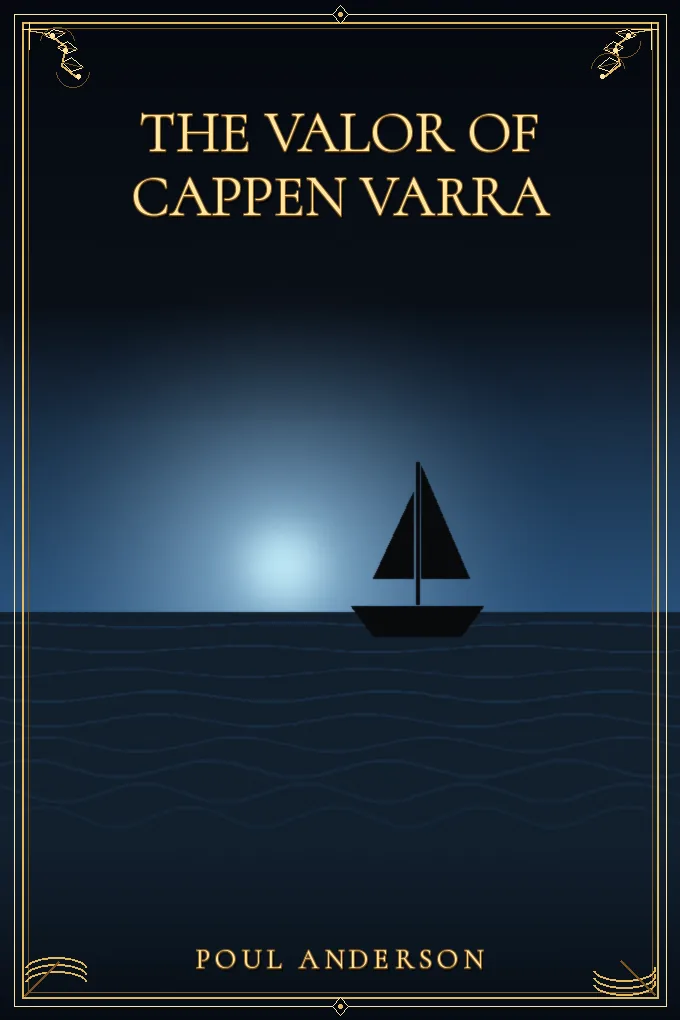
From this reading Poul Anderson turns to a legend from the Northern countries, countries where even today the pagan past seems only like yesterday, and tells the story of Cappen Varra, who came to Norren a long, long time ago._ "Let little Cappen go," they shouted.
in the past
From this reading Poul Anderson turns to a legend from the Northern countries, countries where even today the pagan past seems only like yesterday, and tells the story of Cappen Varra, who came to Norren a long, long time ago._ "Let little Cappen go," they shouted.
used to join words or parts of a sentence that go together
From this reading _We have said that there are many and strange shadows, memories surviving from dim pasts, in this FANTASTIC UNIVERSE of ours.
AndersonnounUS /ˈændərsən/
United States author whose works were frequently autobiographical (1876-1941)
From this reading Poul Anderson turns to a legend from the Northern countries, countries where even today the pagan past seems only like yesterday, and tells the story of Cappen Varra, who came to Norren a long, long time ago._ "Let little Cappen go," they shouted.
areauxiliary verbUS /ɑːr/
the form of “be” used with you, we, they, or a plural noun
From this reading _We have said that there are many and strange shadows, memories surviving from dim pasts, in this FANTASTIC UNIVERSE of ours.
in or to or toward a former location
From this reading "Maybe he can sing the trolls to sleep--" The wind came from the north with sleet on its back.
on the far side of; further than
From this reading Beyond the rail there was winter night, a moving blackness where the waves rushed and clamored; straining into the great dark, men sensed only the bitter salt of sea-scud, the nettle of sleet and the lash of wind.
marked by strong resentment or cynicism
From this reading Beyond the rail there was winter night, a moving blackness where the waves rushed and clamored; straining into the great dark, men sensed only the bitter salt of sea-scud, the nettle of sleet and the lash of wind.
blacknessnounUS /ˈblæknəs/
the quality or state of the achromatic color of least lightness (bearing the least resemblance to white)
From this reading Beyond the rail there was winter night, a moving blackness where the waves rushed and clamored; straining into the great dark, men sensed only the bitter salt of sea-scud, the nettle of sleet and the lash of wind.
inflected form of “come” — move toward, travel toward something or somebody or approach something or somebody
From this reading Poul Anderson turns to a legend from the Northern countries, countries where even today the pagan past seems only like yesterday, and tells the story of Cappen Varra, who came to Norren a long, long time ago._ "Let little Cappen go," they shouted.
to be able to, or to be allowed to
From this reading "Maybe he can sing the trolls to sleep--" The wind came from the north with sleet on its back.
Cappen
Dictionary entry pending editorial verification. Tap Listen to hear the word.
From this reading Poul Anderson turns to a legend from the Northern countries, countries where even today the pagan past seems only like yesterday, and tells the story of Cappen Varra, who came to Norren a long, long time ago._ "Let little Cappen go," they shouted.
clamoredverbUS /ˈklæmərd/
past form of “clamor” — make loud demands
From this reading Beyond the rail there was winter night, a moving blackness where the waves rushed and clamored; straining into the great dark, men sensed only the bitter salt of sea-scud, the nettle of sleet and the lash of wind.
countriesnounUS /ˈkʌntriz/
plural of “country” — a politically organized body of people under a single government
From this reading Poul Anderson turns to a legend from the Northern countries, countries where even today the pagan past seems only like yesterday, and tells the story of Cappen Varra, who came to Norren a long, long time ago._ "Let little Cappen go," they shouted.
absence of light or illumination
From this reading Beyond the rail there was winter night, a moving blackness where the waves rushed and clamored; straining into the great dark, men sensed only the bitter salt of sea-scud, the nettle of sleet and the lash of wind.
lacking in light; not bright or harsh
From this reading _We have said that there are many and strange shadows, memories surviving from dim pasts, in this FANTASTIC UNIVERSE of ours.
compelled forcibly by an outside agency
From this reading Raw shuddering gusts whipped the sea till the ship lurched and men felt driven spindrift stinging their faces.
divisible by two
From this reading Poul Anderson turns to a legend from the Northern countries, countries where even today the pagan past seems only like yesterday, and tells the story of Cappen Varra, who came to Norren a long, long time ago._ "Let little Cappen go," they shouted.
plural of “face” — the front of the human head from the forehead to the chin and ear to ear
From this reading Raw shuddering gusts whipped the sea till the ship lurched and men felt driven spindrift stinging their faces.
FANTASTICadjectiveUS /fænˈtæstɪk/
ludicrously odd
From this reading _We have said that there are many and strange shadows, memories surviving from dim pasts, in this FANTASTIC UNIVERSE of ours.
mat together and make felt-like
From this reading Raw shuddering gusts whipped the sea till the ship lurched and men felt driven spindrift stinging their faces.
showing where something starts, or who sent it
From this reading _We have said that there are many and strange shadows, memories surviving from dim pasts, in this FANTASTIC UNIVERSE of ours.
change location; move, travel, or proceed, also metaphorically
From this reading Poul Anderson turns to a legend from the Northern countries, countries where even today the pagan past seems only like yesterday, and tells the story of Cappen Varra, who came to Norren a long, long time ago._ "Let little Cappen go," they shouted.
relatively large in size or number or extent; larger than others of its kind
From this reading Beyond the rail there was winter night, a moving blackness where the waves rushed and clamored; straining into the great dark, men sensed only the bitter salt of sea-scud, the nettle of sleet and the lash of wind.
gustsnounUS /ɡʌsts/
plural of “gust” — a strong current of air
From this reading Raw shuddering gusts whipped the sea till the ship lurched and men felt driven spindrift stinging their faces.
haveauxiliary verbUS /hæv/
used with a past participle to form the perfect tenses
From this reading _We have said that there are many and strange shadows, memories surviving from dim pasts, in this FANTASTIC UNIVERSE of ours.
a man, boy, or male animal already mentioned, as the subject
From this reading "Maybe he can sing the trolls to sleep--" The wind came from the north with sleet on its back.
inside something, or within a place, period, or state
From this reading _We have said that there are many and strange shadows, memories surviving from dim pasts, in this FANTASTIC UNIVERSE of ours.
intoprepositionUS /ˈɪntuː/
moving to the inside of something
From this reading Beyond the rail there was winter night, a moving blackness where the waves rushed and clamored; straining into the great dark, men sensed only the bitter salt of sea-scud, the nettle of sleet and the lash of wind.
belonging to the thing or animal already mentioned
From this reading "Maybe he can sing the trolls to sleep--" The wind came from the north with sleet on its back.
lashverbUS /læʃ/
beat severely with a whip or rod
From this reading Beyond the rail there was winter night, a moving blackness where the waves rushed and clamored; straining into the great dark, men sensed only the bitter salt of sea-scud, the nettle of sleet and the lash of wind.
legendnounUS /ˈledʒənd/
a story about mythical or supernatural beings or events
From this reading Poul Anderson turns to a legend from the Northern countries, countries where even today the pagan past seems only like yesterday, and tells the story of Cappen Varra, who came to Norren a long, long time ago._ "Let little Cappen go," they shouted.
Letauxiliary verbUS /let/
used to make a suggestion or a command including the speaker
From this reading Poul Anderson turns to a legend from the Northern countries, countries where even today the pagan past seems only like yesterday, and tells the story of Cappen Varra, who came to Norren a long, long time ago._ "Let little Cappen go," they shouted.
prefer or wish to do something
From this reading Poul Anderson turns to a legend from the Northern countries, countries where even today the pagan past seems only like yesterday, and tells the story of Cappen Varra, who came to Norren a long, long time ago._ "Let little Cappen go," they shouted.
limited or below average in number or quantity or magnitude or extent
From this reading Poul Anderson turns to a legend from the Northern countries, countries where even today the pagan past seems only like yesterday, and tells the story of Cappen Varra, who came to Norren a long, long time ago._ "Let little Cappen go," they shouted.
primarily temporal sense; being or indicating a relatively great or greater than average duration or passage of time or a duration as specified
From this reading Poul Anderson turns to a legend from the Northern countries, countries where even today the pagan past seems only like yesterday, and tells the story of Cappen Varra, who came to Norren a long, long time ago._ "Let little Cappen go," they shouted.
lurchedverbUS /lɜːrtʃt/
past form of “lurch” — walk as if unable to control one's movements
From this reading Raw shuddering gusts whipped the sea till the ship lurched and men felt driven spindrift stinging their faces.
a quantifier that can be used with count nouns and is often preceded by “as” or “too” or “so” or “that”; amounting to a large but indefinite number
From this reading _We have said that there are many and strange shadows, memories surviving from dim pasts, in this FANTASTIC UNIVERSE of ours.
by chance
From this reading "Maybe he can sing the trolls to sleep--" The wind came from the north with sleet on its back.
memoriesnounUS /ˈmɛm.ə.riz/
Recollections of past events.
From this reading _We have said that there are many and strange shadows, memories surviving from dim pasts, in this FANTASTIC UNIVERSE of ours.
the force of workers available
From this reading Raw shuddering gusts whipped the sea till the ship lurched and men felt driven spindrift stinging their faces.
in motion
From this reading Beyond the rail there was winter night, a moving blackness where the waves rushed and clamored; straining into the great dark, men sensed only the bitter salt of sea-scud, the nettle of sleet and the lash of wind.
nettleverbUS /ˈnetəl/
sting with or as with nettles and cause a stinging pain or sensation
From this reading Beyond the rail there was winter night, a moving blackness where the waves rushed and clamored; straining into the great dark, men sensed only the bitter salt of sea-scud, the nettle of sleet and the lash of wind.
the time after sunset and before sunrise while it is dark outside
From this reading Beyond the rail there was winter night, a moving blackness where the waves rushed and clamored; straining into the great dark, men sensed only the bitter salt of sea-scud, the nettle of sleet and the lash of wind.
Norren
Dictionary entry pending editorial verification. Tap Listen to hear the word.
From this reading Poul Anderson turns to a legend from the Northern countries, countries where even today the pagan past seems only like yesterday, and tells the story of Cappen Varra, who came to Norren a long, long time ago._ "Let little Cappen go," they shouted.
the region of the United States lying to the north of the Mason-Dixon line
From this reading "Maybe he can sing the trolls to sleep--" The wind came from the north with sleet on its back.
NorthernadjectiveUS /ˈnɔːrðərn/
in or characteristic of a region of the United States north of (approximately) the Mason-Dixon line
From this reading Poul Anderson turns to a legend from the Northern countries, countries where even today the pagan past seems only like yesterday, and tells the story of Cappen Varra, who came to Norren a long, long time ago._ "Let little Cappen go," they shouted.
belonging to, or connected with, somebody or something
From this reading _We have said that there are many and strange shadows, memories surviving from dim pasts, in this FANTASTIC UNIVERSE of ours.
touching and supported by a surface
From this reading "Maybe he can sing the trolls to sleep--" The wind came from the north with sleet on its back.
and nothing more
From this reading Poul Anderson turns to a legend from the Northern countries, countries where even today the pagan past seems only like yesterday, and tells the story of Cappen Varra, who came to Norren a long, long time ago._ "Let little Cappen go," they shouted.
the one or ones belonging to us
From this reading _We have said that there are many and strange shadows, memories surviving from dim pasts, in this FANTASTIC UNIVERSE of ours.
pagannounUS /ˈpeɪɡən/
a person who does not acknowledge your god
From this reading Poul Anderson turns to a legend from the Northern countries, countries where even today the pagan past seems only like yesterday, and tells the story of Cappen Varra, who came to Norren a long, long time ago._ "Let little Cappen go," they shouted.
the time that has elapsed
From this reading Poul Anderson turns to a legend from the Northern countries, countries where even today the pagan past seems only like yesterday, and tells the story of Cappen Varra, who came to Norren a long, long time ago._ "Let little Cappen go," they shouted.
pastsnounUS /pæsts/
plural of “past” — the time that has elapsed
From this reading _We have said that there are many and strange shadows, memories surviving from dim pasts, in this FANTASTIC UNIVERSE of ours.
Poul
Dictionary entry pending editorial verification. Tap Listen to hear the word.
From this reading Poul Anderson turns to a legend from the Northern countries, countries where even today the pagan past seems only like yesterday, and tells the story of Cappen Varra, who came to Norren a long, long time ago._ "Let little Cappen go," they shouted.
railnounUS /reɪl/
a barrier consisting of a horizontal bar and supports
From this reading Beyond the rail there was winter night, a moving blackness where the waves rushed and clamored; straining into the great dark, men sensed only the bitter salt of sea-scud, the nettle of sleet and the lash of wind.
RawadjectiveUS /rɑː/
(used especially of commodities) being unprocessed or manufactured using only simple or minimal processes
From this reading Raw shuddering gusts whipped the sea till the ship lurched and men felt driven spindrift stinging their faces.
done under pressure
From this reading Beyond the rail there was winter night, a moving blackness where the waves rushed and clamored; straining into the great dark, men sensed only the bitter salt of sea-scud, the nettle of sleet and the lash of wind.
being the one previously mentioned or spoken of
From this reading _We have said that there are many and strange shadows, memories surviving from dim pasts, in this FANTASTIC UNIVERSE of ours.
a compound formed by replacing hydrogen in an acid by a metal (or a radical that acts like a metal)
From this reading Beyond the rail there was winter night, a moving blackness where the waves rushed and clamored; straining into the great dark, men sensed only the bitter salt of sea-scud, the nettle of sleet and the lash of wind.
a division of an ocean or a large body of salt water partially enclosed by land
From this reading Raw shuddering gusts whipped the sea till the ship lurched and men felt driven spindrift stinging their faces.
sea-scud
Dictionary entry pending editorial verification. Tap Listen to hear the word.
From this reading Beyond the rail there was winter night, a moving blackness where the waves rushed and clamored; straining into the great dark, men sensed only the bitter salt of sea-scud, the nettle of sleet and the lash of wind.
third-person singular of “seem” — give a certain impression or have a certain outward aspect
From this reading Poul Anderson turns to a legend from the Northern countries, countries where even today the pagan past seems only like yesterday, and tells the story of Cappen Varra, who came to Norren a long, long time ago._ "Let little Cappen go," they shouted.
sensedadjectiveUS /senst/
detected by instinct or inference rather than by recognized perceptual cues
From this reading Beyond the rail there was winter night, a moving blackness where the waves rushed and clamored; straining into the great dark, men sensed only the bitter salt of sea-scud, the nettle of sleet and the lash of wind.
plural of “shadow” — shade within clear boundaries
From this reading _We have said that there are many and strange shadows, memories surviving from dim pasts, in this FANTASTIC UNIVERSE of ours.
transport commercially
From this reading Raw shuddering gusts whipped the sea till the ship lurched and men felt driven spindrift stinging their faces.
in a vehement outcry
From this reading Poul Anderson turns to a legend from the Northern countries, countries where even today the pagan past seems only like yesterday, and tells the story of Cappen Varra, who came to Norren a long, long time ago._ "Let little Cappen go," they shouted.
shudderingadjectiveUS /ˈʃʌdərɪŋ/
shaking convulsively or violently
From this reading Raw shuddering gusts whipped the sea till the ship lurched and men felt driven spindrift stinging their faces.
deliver by singing
From this reading "Maybe he can sing the trolls to sleep--" The wind came from the north with sleet on its back.
a natural and periodic state of rest during which consciousness of the world is suspended
From this reading "Maybe he can sing the trolls to sleep--" The wind came from the north with sleet on its back.
sleetnounUS /sliːt/
partially melted snow (or a mixture of rain and snow)
From this reading "Maybe he can sing the trolls to sleep--" The wind came from the north with sleet on its back.
spindriftnoun
spray blown up from the surface of the sea
From this reading Raw shuddering gusts whipped the sea till the ship lurched and men felt driven spindrift stinging their faces.
stingingnounUS /ˈstɪŋɪŋ/
a kind of pain; something as sudden and painful as being stung
From this reading Raw shuddering gusts whipped the sea till the ship lurched and men felt driven spindrift stinging their faces.
a message that tells the particulars of an act or occurrence or course of events; presented in writing or drama or cinema or as a radio or television program
From this reading Poul Anderson turns to a legend from the Northern countries, countries where even today the pagan past seems only like yesterday, and tells the story of Cappen Varra, who came to Norren a long, long time ago._ "Let little Cappen go," they shouted.
strainingnounUS /ˈstreɪnɪŋ/
an intense or violent exertion
From this reading Beyond the rail there was winter night, a moving blackness where the waves rushed and clamored; straining into the great dark, men sensed only the bitter salt of sea-scud, the nettle of sleet and the lash of wind.
being definitely out of the ordinary and unexpected; slightly odd or even a bit weird
From this reading _We have said that there are many and strange shadows, memories surviving from dim pasts, in this FANTASTIC UNIVERSE of ours.
survivingadjectiveUS /sərˈvaɪvɪŋ/
still in existence
From this reading _We have said that there are many and strange shadows, memories surviving from dim pasts, in this FANTASTIC UNIVERSE of ours.
plural of “tell” — a Swiss patriot who lived in the early 14th century and who was renowned for his skill as an archer
From this reading Poul Anderson turns to a legend from the Northern countries, countries where even today the pagan past seems only like yesterday, and tells the story of Cappen Varra, who came to Norren a long, long time ago._ "Let little Cappen go," they shouted.
used to introduce what somebody said, thought, or felt
From this reading _We have said that there are many and strange shadows, memories surviving from dim pasts, in this FANTASTIC UNIVERSE of ours.
used before a noun that is already known, already mentioned, or the only one of its kind
From this reading Poul Anderson turns to a legend from the Northern countries, countries where even today the pagan past seems only like yesterday, and tells the story of Cappen Varra, who came to Norren a long, long time ago._ "Let little Cappen go," they shouted.
belonging to the people or things already mentioned
From this reading Raw shuddering gusts whipped the sea till the ship lurched and men felt driven spindrift stinging their faces.
in or at that place or location
From this reading _We have said that there are many and strange shadows, memories surviving from dim pasts, in this FANTASTIC UNIVERSE of ours.
the people, animals, or things already mentioned, as the subject
From this reading Poul Anderson turns to a legend from the Northern countries, countries where even today the pagan past seems only like yesterday, and tells the story of Cappen Varra, who came to Norren a long, long time ago._ "Let little Cappen go," they shouted.
used for a person or thing that is near, or that has just been mentioned
From this reading _We have said that there are many and strange shadows, memories surviving from dim pasts, in this FANTASTIC UNIVERSE of ours.
up to a particular time
From this reading Raw shuddering gusts whipped the sea till the ship lurched and men felt driven spindrift stinging their faces.
an instance or single occasion for some event
From this reading Poul Anderson turns to a legend from the Northern countries, countries where even today the pagan past seems only like yesterday, and tells the story of Cappen Varra, who came to Norren a long, long time ago._ "Let little Cappen go," they shouted.
used before the base form of a verb to make the infinitive
From this reading Poul Anderson turns to a legend from the Northern countries, countries where even today the pagan past seems only like yesterday, and tells the story of Cappen Varra, who came to Norren a long, long time ago._ "Let little Cappen go," they shouted.
todaynounUS /təˈdeɪ/
the present time or age
From this reading Poul Anderson turns to a legend from the Northern countries, countries where even today the pagan past seems only like yesterday, and tells the story of Cappen Varra, who came to Norren a long, long time ago._ "Let little Cappen go," they shouted.
trollsnounUS /troʊlz/
plural of “troll” — (Scandanavian folklore) a supernatural creature (either a dwarf or a giant) that is supposed to live in caves or in the mountains
From this reading "Maybe he can sing the trolls to sleep--" The wind came from the north with sleet on its back.
plural of “turn” — a circular segment of a curve
From this reading Poul Anderson turns to a legend from the Northern countries, countries where even today the pagan past seems only like yesterday, and tells the story of Cappen Varra, who came to Norren a long, long time ago._ "Let little Cappen go," they shouted.
UNIVERSEnounUS /ˈjuːnəvɜːrs/
everything that exists anywhere
From this reading _We have said that there are many and strange shadows, memories surviving from dim pasts, in this FANTASTIC UNIVERSE of ours.
Varra
Dictionary entry pending editorial verification. Tap Listen to hear the word.
From this reading Poul Anderson turns to a legend from the Northern countries, countries where even today the pagan past seems only like yesterday, and tells the story of Cappen Varra, who came to Norren a long, long time ago._ "Let little Cappen go," they shouted.
wasauxiliary verbUS /wɑːz/
the past form of “be” used with I, he, she, it, or a singular noun
From this reading Beyond the rail there was winter night, a moving blackness where the waves rushed and clamored; straining into the great dark, men sensed only the bitter salt of sea-scud, the nettle of sleet and the lash of wind.
plural of “wave” — one of a series of ridges that moves across the surface of a liquid (especially across a large body of water)
From this reading Beyond the rail there was winter night, a moving blackness where the waves rushed and clamored; straining into the great dark, men sensed only the bitter salt of sea-scud, the nettle of sleet and the lash of wind.
the speaker together with one or more other people
From this reading _We have said that there are many and strange shadows, memories surviving from dim pasts, in this FANTASTIC UNIVERSE of ours.
in or at the place that
From this reading Poul Anderson turns to a legend from the Northern countries, countries where even today the pagan past seems only like yesterday, and tells the story of Cappen Varra, who came to Norren a long, long time ago._ "Let little Cappen go," they shouted.
whippedverbUS /wɪpt/
inflected form of “whip” — beat severely with a whip or rod
From this reading Raw shuddering gusts whipped the sea till the ship lurched and men felt driven spindrift stinging their faces.
which person or people
From this reading Poul Anderson turns to a legend from the Northern countries, countries where even today the pagan past seems only like yesterday, and tells the story of Cappen Varra, who came to Norren a long, long time ago._ "Let little Cappen go," they shouted.
air moving (sometimes with considerable force) from an area of high pressure to an area of low pressure
From this reading "Maybe he can sing the trolls to sleep--" The wind came from the north with sleet on its back.
the coldest season of the year; in the northern hemisphere it extends from the winter solstice to the vernal equinox
From this reading Beyond the rail there was winter night, a moving blackness where the waves rushed and clamored; straining into the great dark, men sensed only the bitter salt of sea-scud, the nettle of sleet and the lash of wind.
in the company of; together with
From this reading "Maybe he can sing the trolls to sleep--" The wind came from the north with sleet on its back.
the day immediately before today
From this reading Poul Anderson turns to a legend from the Northern countries, countries where even today the pagan past seems only like yesterday, and tells the story of Cappen Varra, who came to Norren a long, long time ago._ "Let little Cappen go," they shouted.