Complete classic literature • Five-line readings • Clear US narration
VELMORA ACADEMY
Academy of Archival Languages & Memory Studies
Menu Close
The Wailing Octopus
The Wailing Octopus

Chapter IV · Chapter 4

Chapter 4 of The Wailing Octopus is here in full — 240 sentences across 48 reading sections, with audio for every sentence and word.

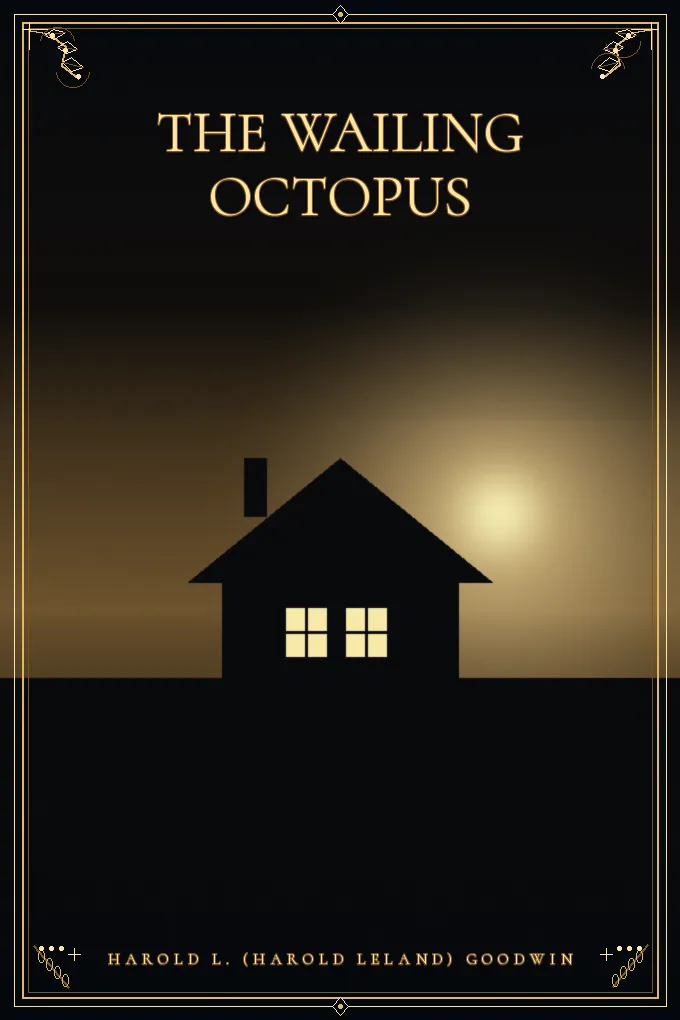
Cover illustration for The Wailing Octopus
Context Illustration Reading 1/48 · 5 lines
English subtitles · tap any word to listen 1 / 5
Visitors by Night Rick and Scotty stood on the pier and watched their erstwhile shadow row slowly toward another pier some distance away.
"We probably should have tied him up and called the police," Rick remarked.
"It wouldn't have gotten us anything," Scotty disagreed.
"He could always claim he didn't see us in the water.
After all, it wouldn't be the first time divers had been run over by motorboats."
0:00 / 0:00
Speed 0.75x
AI-generated narration by OpenAI · Slow US English
LEARNER DICTIONARY
Archivist
/ˈɑːrkɪvɪst/
Editorial verification pending

A keeper or guardian of historical records and memories.

The Wailing Octopus

Chapter IV · Chapter 4

Chapter 4 of The Wailing Octopus is here in full — 240 sentences across 48 reading sections, with audio for every sentence and word.

Reading 1/48 · 5 reading units · Lines 1–5

Line 1
Visitors by Night Rick and Scotty stood on the pier and watched their erstwhile shadow row slowly toward another pier some distance away.
Line 2
"We probably should have tied him up and called the police," Rick remarked.
/wiː ˈprɑːbəbliː ʃʊd hæv taɪd hɪm ʌp ənd kɔːld ðə pəˈliːs rɪk rɪˈmɑːrkt/
Line 3
"It wouldn't have gotten us anything," Scotty disagreed.
Line 4
"He could always claim he didn't see us in the water.
Line 5
After all, it wouldn't be the first time divers had been run over by motorboats."

Learner Dictionary

These definitions explain words found in the current reading and keep every example grounded in its original sentence.

Oxford-style entry order: headword, part of speech, US IPA, concise definition, contextual example, and audio.

disagreed verb US /dɪsəˈɡriːd/

past form of “disagree” — be of different opinions

From this reading “"It wouldn't have gotten us anything," Scotty disagreed.”

divers adjective US /ˈdaɪvərz/

many and different

From this reading “After all, it wouldn't be the first time divers had been run over by motorboats."”

erstwhile adjective US /ˈɜːrstwaɪl/

belonging to some prior time

From this reading “Visitors by Night Rick and Scotty stood on the pier and watched their erstwhile shadow row slowly toward another pier some distance away.”

gotten verb US /ˈɡɑːtən/

inflected form of “get” — come into the possession of something concrete or abstract

From this reading “"It wouldn't have gotten us anything," Scotty disagreed.”

pier noun US /pɪr/

a platform built out from the shore into the water and supported by piles; provides access to ships and boats

From this reading “Visitors by Night Rick and Scotty stood on the pier and watched their erstwhile shadow row slowly toward another pier some distance away.”

Rick noun US /rɪk/

a painful muscle spasm especially in the neck or back (“rick” and “wrick” are British)

From this reading “Visitors by Night Rick and Scotty stood on the pier and watched their erstwhile shadow row slowly toward another pier some distance away.”

row noun US /roʊ/

an arrangement of objects or people side by side in a line

From this reading “Visitors by Night Rick and Scotty stood on the pier and watched their erstwhile shadow row slowly toward another pier some distance away.”

Visitors noun US /ˈvɪzɪtərz/

plural of “visitor” — someone who visits

From this reading “Visitors by Night Rick and Scotty stood on the pier and watched their erstwhile shadow row slowly toward another pier some distance away.”

Word partnerships in these lines

English keeps certain words together, and knowing the pair is worth more than knowing each word alone. Every partnership below was counted across our whole published library, and earns its place by appearing far more often than two unrelated words of the same frequency would.

Shown as this reading writes them, with the form the library counts, what kind of pairing it is, and how often it occurs.

some distance adjective + noun

In this reading “Visitors by Night Rick and Scotty stood on the pier and watched their erstwhile shadow row slowly toward another pier some distance away.”

first time adjective + noun

In this reading “After all, it wouldn't be the first time divers had been run over by motorboats."”

on the pier preposition + article + noun counted as “on … pier”

In this reading “Visitors by Night Rick and Scotty stood on the pier and watched their erstwhile shadow row slowly toward another pier some distance away.”

run over verb + particle

injure or kill by knocking (someone or something) down and passing over the body, as with a vehicle

In this reading “After all, it wouldn't be the first time divers had been run over by motorboats."”

called the police verb + article + noun counted as “call … police”

In this reading “"We probably should have tied him up and called the police," Rick remarked.”

stood on verb + particle

In this reading “Visitors by Night Rick and Scotty stood on the pier and watched their erstwhile shadow row slowly toward another pier some distance away.”

by Night preposition + noun

In this reading “Visitors by Night Rick and Scotty stood on the pier and watched their erstwhile shadow row slowly toward another pier some distance away.”

All words in this reading · 56

Every word in these five lines is listed here, and every one of them can be played on its own.

Dictionary details are shown only when verified; these are not licensed Oxford entries.

AfterprepositionUS /ˈæftər/

later than; following

From this reading After all, it wouldn't be the first time divers had been run over by motorboats."

alladjectiveUS /ɔːl/

(quantifier) used with either mass or count nouns to indicate the whole number or amount of or every one of a class

From this reading After all, it wouldn't be the first time divers had been run over by motorboats."

alwaysadverbUS /ˈɔːlweɪz/

at all times; all the time and on every occasion

From this reading "He could always claim he didn't see us in the water.

andconjunctionUS /ənd/

used to join words or parts of a sentence that go together

From this reading Visitors by Night Rick and Scotty stood on the pier and watched their erstwhile shadow row slowly toward another pier some distance away.

anotherdeterminerUS /əˈnʌðər/

one more of the same kind, or a different one

From this reading Visitors by Night Rick and Scotty stood on the pier and watched their erstwhile shadow row slowly toward another pier some distance away.

anythingpronounUS /ˈeniθɪŋ/

any thing at all

From this reading "It wouldn't have gotten us anything," Scotty disagreed.

awayadverbUS /əˈweɪ/

from a particular thing or place or position (“forth” is obsolete)

From this reading Visitors by Night Rick and Scotty stood on the pier and watched their erstwhile shadow row slowly toward another pier some distance away.

beauxiliary verbUS /biː/

used with a past participle to form the passive, or with -ing for continuous tenses

From this reading After all, it wouldn't be the first time divers had been run over by motorboats."

beenauxiliary verbUS /bɪn/

the past participle of “be”

From this reading After all, it wouldn't be the first time divers had been run over by motorboats."

byprepositionUS /baɪ/

showing who or what does the action

From this reading Visitors by Night Rick and Scotty stood on the pier and watched their erstwhile shadow row slowly toward another pier some distance away.

calledverbUS /kɔːld/

past form of “call” — assign a specified (usually proper) proper name to

From this reading "We probably should have tied him up and called the police," Rick remarked.

claimnounUS /kleɪm/

an assertion of a right (as to money or property)

From this reading "He could always claim he didn't see us in the water.

couldmodal verbUS /kʊd/

the past of “can”; used for possibility or polite requests

From this reading "He could always claim he didn't see us in the water.

didn't

Dictionary entry pending editorial verification. Tap Listen to hear the word.

From this reading "He could always claim he didn't see us in the water.

disagreedverbUS /dɪsəˈɡriːd/

past form of “disagree” — be of different opinions

From this reading "It wouldn't have gotten us anything," Scotty disagreed.

distancenounUS /ˈdɪstəns/

the property created by the space between two objects or points

From this reading Visitors by Night Rick and Scotty stood on the pier and watched their erstwhile shadow row slowly toward another pier some distance away.

diversadjectiveUS /ˈdaɪvərz/

many and different

From this reading After all, it wouldn't be the first time divers had been run over by motorboats."

erstwhileadjectiveUS /ˈɜːrstwaɪl/

belonging to some prior time

From this reading Visitors by Night Rick and Scotty stood on the pier and watched their erstwhile shadow row slowly toward another pier some distance away.

firstadjectiveUS /fɜːrst/

preceding all others in time or space or degree

From this reading After all, it wouldn't be the first time divers had been run over by motorboats."

gottenverbUS /ˈɡɑːtən/

inflected form of “get” — come into the possession of something concrete or abstract

From this reading "It wouldn't have gotten us anything," Scotty disagreed.

hadauxiliary verbUS /hæd/

the past form of “have”, used to form the past perfect

From this reading After all, it wouldn't be the first time divers had been run over by motorboats."

haveauxiliary verbUS /hæv/

used with a past participle to form the perfect tenses

From this reading "We probably should have tied him up and called the police," Rick remarked.

HepronounUS /hiː/

a man, boy, or male animal already mentioned, as the subject

From this reading "He could always claim he didn't see us in the water.

himpronounUS /hɪm/

the male already mentioned, as the object of a verb or preposition

From this reading "We probably should have tied him up and called the police," Rick remarked.

inprepositionUS /ɪn/

inside something, or within a place, period, or state

From this reading "He could always claim he didn't see us in the water.

ItpronounUS /ɪt/

a thing, animal, or idea already mentioned

From this reading "It wouldn't have gotten us anything," Scotty disagreed.

motorboats

Dictionary entry pending editorial verification. Tap Listen to hear the word.

From this reading After all, it wouldn't be the first time divers had been run over by motorboats."

NightnounUS /naɪt/

the time after sunset and before sunrise while it is dark outside

From this reading Visitors by Night Rick and Scotty stood on the pier and watched their erstwhile shadow row slowly toward another pier some distance away.

onprepositionUS /ɑːn/

touching and supported by a surface

From this reading Visitors by Night Rick and Scotty stood on the pier and watched their erstwhile shadow row slowly toward another pier some distance away.

overprepositionUS /ˈoʊvər/

above and across; more than

From this reading After all, it wouldn't be the first time divers had been run over by motorboats."

piernounUS /pɪr/

a platform built out from the shore into the water and supported by piles; provides access to ships and boats

From this reading Visitors by Night Rick and Scotty stood on the pier and watched their erstwhile shadow row slowly toward another pier some distance away.

policenounUS /pəˈliːs/

the force of policemen and officers

From this reading "We probably should have tied him up and called the police," Rick remarked.

probablyadverbUS /ˈprɑːbəbliː/

with considerable certainty; without much doubt

From this reading "We probably should have tied him up and called the police," Rick remarked.

remarkedverbUS /rɪˈmɑːrkt/

past form of “remark” — make mention of

From this reading "We probably should have tied him up and called the police," Rick remarked.

RicknounUS /rɪk/

a painful muscle spasm especially in the neck or back (“rick” and “wrick” are British)

From this reading Visitors by Night Rick and Scotty stood on the pier and watched their erstwhile shadow row slowly toward another pier some distance away.

rownounUS /roʊ/

an arrangement of objects or people side by side in a line

From this reading Visitors by Night Rick and Scotty stood on the pier and watched their erstwhile shadow row slowly toward another pier some distance away.

runverbUS /rʌn/

move fast by using one's feet, with one foot off the ground at any given time

From this reading After all, it wouldn't be the first time divers had been run over by motorboats."

Scotty

Dictionary entry pending editorial verification. Tap Listen to hear the word.

From this reading Visitors by Night Rick and Scotty stood on the pier and watched their erstwhile shadow row slowly toward another pier some distance away.

seeverbUS /siː/

perceive by sight or have the power to perceive by sight

From this reading "He could always claim he didn't see us in the water.

shadownounUS /ˈʃæd.oʊ/

A dark area or shape produced by a body coming between rays of light and a surface.

From this reading Visitors by Night Rick and Scotty stood on the pier and watched their erstwhile shadow row slowly toward another pier some distance away.

shouldmodal verbUS /ʃʊd/

used to say what is right, expected, or advisable

From this reading "We probably should have tied him up and called the police," Rick remarked.

slowlyadverbUS /ˈsloʊli/

without speed (“slow” is sometimes used informally for “slowly”)

From this reading Visitors by Night Rick and Scotty stood on the pier and watched their erstwhile shadow row slowly toward another pier some distance away.

someadjectiveUS /sʌm/

(quantifier) used with either mass nouns or plural count nouns to indicate an unspecified number or quantity

From this reading Visitors by Night Rick and Scotty stood on the pier and watched their erstwhile shadow row slowly toward another pier some distance away.

stoodverbUS /stʊd/

Maintained an upright posture.

From this reading Visitors by Night Rick and Scotty stood on the pier and watched their erstwhile shadow row slowly toward another pier some distance away.

thedeterminerUS /ðə/

used before a noun that is already known, already mentioned, or the only one of its kind

From this reading Visitors by Night Rick and Scotty stood on the pier and watched their erstwhile shadow row slowly toward another pier some distance away.

theirdeterminerUS /ðer/

belonging to the people or things already mentioned

From this reading Visitors by Night Rick and Scotty stood on the pier and watched their erstwhile shadow row slowly toward another pier some distance away.

tiedadjectiveUS /taɪd/

bound or secured closely

From this reading "We probably should have tied him up and called the police," Rick remarked.

timenounUS /taɪm/

an instance or single occasion for some event

From this reading After all, it wouldn't be the first time divers had been run over by motorboats."

towardprepositionUS /təˈwɔːrd/

in the direction of

From this reading Visitors by Night Rick and Scotty stood on the pier and watched their erstwhile shadow row slowly toward another pier some distance away.

upadjectiveUS /ʌp/

being or moving higher in position or greater in some value; being above a former position or level

From this reading "We probably should have tied him up and called the police," Rick remarked.

uspronounUS /ʌs/

the speaker and others, as the object of a verb or preposition

From this reading "It wouldn't have gotten us anything," Scotty disagreed.

VisitorsnounUS /ˈvɪzɪtərz/

plural of “visitor” — someone who visits

From this reading Visitors by Night Rick and Scotty stood on the pier and watched their erstwhile shadow row slowly toward another pier some distance away.

watchedverbUS /wɑːtʃt/

past form of “watch” — look attentively

From this reading Visitors by Night Rick and Scotty stood on the pier and watched their erstwhile shadow row slowly toward another pier some distance away.

waternounUS /ˈwɔːtər/

binary compound that occurs at room temperature as a clear colorless odorless tasteless liquid; freezes into ice below 0 degrees centigrade and boils above 100 degrees centigrade; widely used as a solvent

From this reading "He could always claim he didn't see us in the water.

WepronounUS /wiː/

the speaker together with one or more other people

From this reading "We probably should have tied him up and called the police," Rick remarked.

wouldn't

Dictionary entry pending editorial verification. Tap Listen to hear the word.

From this reading "It wouldn't have gotten us anything," Scotty disagreed.

Chapter 4 of The Wailing Octopus by Harold L. (Harold Leland) Goodwin holds 240 sentences, grouped into 48 reading sections of at most 5 sentences. The text is the source edition, unabridged, and the chapter records which sentences cover which part of the work so that nothing is dropped. Every word can be tapped for its pronunciation and dictionary entry.

What does chapter 4 of The Wailing Octopus contain?

Chapter 4 holds 240 sentences of The Wailing Octopus, unabridged, divided into 48 reading sections.

This page carries chapter 4 of The Wailing Octopus by Harold L. (Harold Leland) Goodwin exactly as it stands in the source edition, without abridgement. It runs to 240 sentences, grouped into 48 sections of at most 5 sentences so that a reader can take the chapter in steady, finishable pieces. The chapter also stores a coverage record mapping every one of its sentences to a part of the work, which is how the edition demonstrates that no line was dropped.

How do I study chapter 4 of The Wailing Octopus?

Work through the 48 sections in order, replaying any sentence and tapping unfamiliar words for their entries.

Each of the 48 sections in this chapter is short enough to read once, hear once, and then re-read with the vocabulary in view. Tapping a word plays it alone and opens its dictionary entry with IPA, part of speech and meaning, so the reader is never forced to guess a pronunciation from spelling. Working section by section keeps a long chapter from becoming an undifferentiated wall of text, which is the usual reason a reader abandons a work of this period.

Can chapter 4 be read aloud to me?

Yes — every sentence and every individual word in chapter 4 can be played aloud in United States English.

Audio covers the whole chapter: any sentence can be played, and any single word within it can be played on its own. The voice uses United States English. For a work of this period that matters, because spelling is an unreliable guide to pronunciation for vocabulary that has fallen out of daily use, and a learner who guesses wrong tends to keep the error. Hearing the word in its own sentence, and then alone, settles it.

Questions about reading The Wailing Octopus

Common questions about reading The Wailing Octopus by Harold L. (Harold Leland) Goodwin on this page, its source edition and its audio.

Is this the complete text of The Wailing Octopus?

Yes. All 4131 sentences of Project Gutenberg eBook #31495 are kept, with a record of which sentences cover which part.

Which edition of The Wailing Octopus is used?

Project Gutenberg eBook #31495, unabridged. The Project Gutenberg header, footer and licence are removed.

How long does The Wailing Octopus take to read?

About 344 minutes of reading across 827 sections of 5 sentences each, at an unhurried pace.

How to read The Wailing Octopus section by section

How to work through The Wailing Octopus section by section, using the audio and the tap-to-define vocabulary.

  1. Open a chapter

    Choose one of the 20 chapters of The Wailing Octopus to begin.

  2. Read one section

    Each section holds 5 sentences; read it once through.

  3. Listen and tap

    Play the section aloud, then tap any unfamiliar word for its entry.

Vocabulary met early in The Wailing Octopus

Words and structures a reader meets early in The Wailing Octopus, each tappable for pronunciation and meaning.

Wagon
A word that appears in the opening chapter of The Wailing Octopus; the reader can tap it to hear it and see its dictionary entry.
Droned
A word that appears in the opening chapter of The Wailing Octopus; the reader can tap it to hear it and see its dictionary entry.
Through
A word that appears in the opening chapter of The Wailing Octopus; the reader can tap it to hear it and see its dictionary entry.
Caribbean
A word that appears in the opening chapter of The Wailing Octopus; the reader can tap it to hear it and see its dictionary entry.