Complete classic literature • Five-line readings • Clear US narration
VELMORA ACADEMY
Academy of Archival Languages & Memory Studies
Menu Close
The Wharf by the Docks: A Novel

Chapter XIV · Chapter 14

Chapter 14 of The Wharf by the Docks: A Novel is here in full — 160 sentences across 32 reading sections, with audio for every sentence and word.

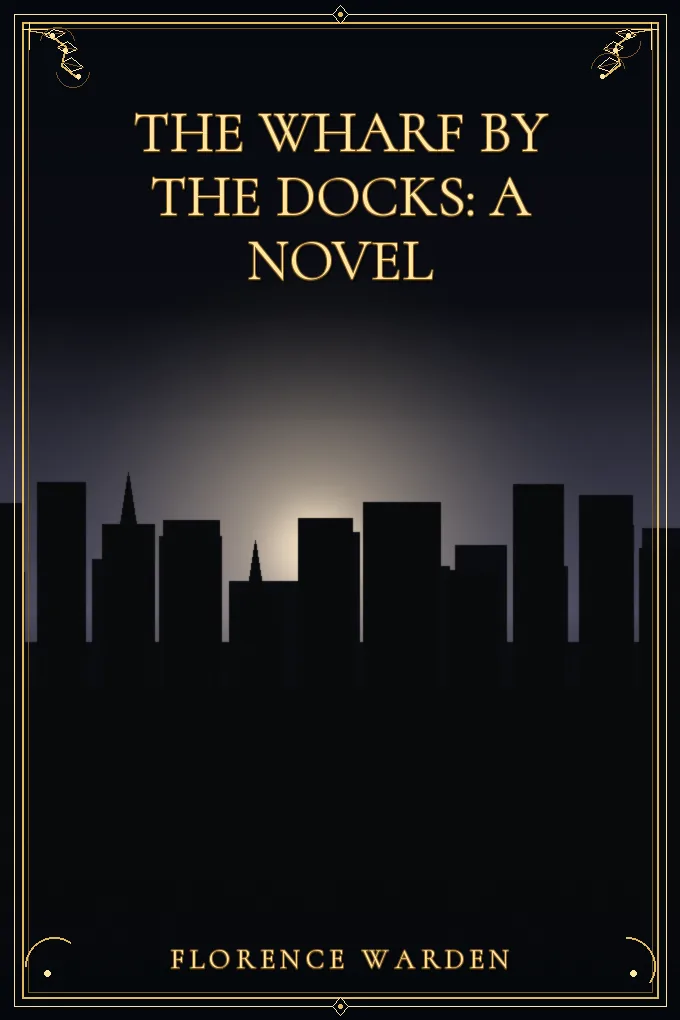
Cover illustration for The Wharf by the Docks: A Novel
Context Illustration Reading 1/32 · 5 lines
English subtitles · tap any word to listen 1 / 5
IS IT BLACKMAIL?
Mr. Wedmore repeated his comment: "Curious, isn't it?" before Max could reply.
At last he nodded, and handed back the paper to his father.
Then he turned his chair toward the fire, and stared at the blazing coals.
He had lost his appetite; he felt cold, miserable.
0:00 / 0:00
Speed 0.75x
AI-generated narration by OpenAI · Slow US English
LEARNER DICTIONARY
Archivist
/ˈɑːrkɪvɪst/
Editorial verification pending

A keeper or guardian of historical records and memories.

The Wharf by the Docks: A Novel

Chapter XIV · Chapter 14

Chapter 14 of The Wharf by the Docks: A Novel is here in full — 160 sentences across 32 reading sections, with audio for every sentence and word.

Reading 1/32 · 5 reading units · Lines 1–5

Line 1
IS IT BLACKMAIL?
/ɪz ɪt ˈblækmeɪl/
Line 2
Mr. Wedmore repeated his comment: "Curious, isn't it?" before Max could reply.
Line 3
At last he nodded, and handed back the paper to his father.
/æt læst hiː ˈnɑːdəd ənd ˈhændəd bæk ðə ˈpeɪpər tuː hɪz ˈfɑːðər/
Line 4
Then he turned his chair toward the fire, and stared at the blazing coals.
/ðen hiː tɜːrnd hɪz tʃer təˈwɔːrd ðə ˈfaɪər ənd sterd æt ðə ˈbleɪzɪŋ koʊlz/
Line 5
He had lost his appetite; he felt cold, miserable.
/hiː hæd lɔːst hɪz ˈæpətaɪt hiː felt koʊld ˈmɪzərəbəl/

Learner Dictionary

These definitions explain words found in the current reading and keep every example grounded in its original sentence.

Oxford-style entry order: headword, part of speech, US IPA, concise definition, contextual example, and audio.

appetite noun US /ˈæpətaɪt/

a feeling of craving something

From this reading “He had lost his appetite; he felt cold, miserable.”

blackmail verb US /ˈblækmeɪl/

exert pressure on someone through threats

From this reading “IS IT BLACKMAIL?”

blazing adjective US /ˈbleɪzɪŋ/

shining intensely

From this reading “Then he turned his chair toward the fire, and stared at the blazing coals.”

coals noun US /koʊlz/

plural of “coal” — fossil fuel consisting of carbonized vegetable matter deposited in the Carboniferous period

From this reading “Then he turned his chair toward the fire, and stared at the blazing coals.”

comment noun US /ˈkɑːment/

a statement that expresses a personal opinion or belief or adds information

From this reading “Mr. Wedmore repeated his comment: "Curious, isn't it?" before Max could reply.”

handed adjective US /ˈhændəd/

having or involving the use of hands

From this reading “At last he nodded, and handed back the paper to his father.”

Max noun US /mæks/

street names for gamma hydroxybutyrate

From this reading “Mr. Wedmore repeated his comment: "Curious, isn't it?" before Max could reply.”

miserable adjective US /ˈmɪzərəbəl/

very unhappy; full of misery

From this reading “He had lost his appetite; he felt cold, miserable.”

All words in this reading · 39

Every word in these five lines is listed here, and every one of them can be played on its own.

Dictionary details are shown only when verified; these are not licensed Oxford entries.

andconjunctionUS /ənd/

used to join words or parts of a sentence that go together

From this reading At last he nodded, and handed back the paper to his father.

appetitenounUS /ˈæpətaɪt/

a feeling of craving something

From this reading He had lost his appetite; he felt cold, miserable.

AtprepositionUS /æt/

in or near a particular place or position

From this reading At last he nodded, and handed back the paper to his father.

backadverbUS /bæk/

in or to or toward a former location

From this reading At last he nodded, and handed back the paper to his father.

beforeprepositionUS /bɪˈfɔːr/

earlier than; in front of

From this reading Mr. Wedmore repeated his comment: "Curious, isn't it?" before Max could reply.

BLACKMAILverbUS /ˈblækmeɪl/

exert pressure on someone through threats

From this reading IS IT BLACKMAIL?

blazingadjectiveUS /ˈbleɪzɪŋ/

shining intensely

From this reading Then he turned his chair toward the fire, and stared at the blazing coals.

chairnounUS /tʃer/

a seat for one person, with a support for the back

From this reading Then he turned his chair toward the fire, and stared at the blazing coals.

coalsnounUS /koʊlz/

plural of “coal” — fossil fuel consisting of carbonized vegetable matter deposited in the Carboniferous period

From this reading Then he turned his chair toward the fire, and stared at the blazing coals.

coldadjectiveUS /koʊld/

having a low or inadequate temperature or feeling a sensation of coldness or having been made cold by e.g. ice or refrigeration

From this reading He had lost his appetite; he felt cold, miserable.

commentnounUS /ˈkɑːment/

a statement that expresses a personal opinion or belief or adds information

From this reading Mr. Wedmore repeated his comment: "Curious, isn't it?" before Max could reply.

couldmodal verbUS /kʊd/

the past of “can”; used for possibility or polite requests

From this reading Mr. Wedmore repeated his comment: "Curious, isn't it?" before Max could reply.

CuriousadjectiveUS /ˈkjʊriəs/

beyond or deviating from the usual or expected

From this reading Mr. Wedmore repeated his comment: "Curious, isn't it?" before Max could reply.

fathernounUS /ˈfɑːðər/

a male parent (also used as a term of address to your father)

From this reading At last he nodded, and handed back the paper to his father.

feltverbUS /felt/

mat together and make felt-like

From this reading He had lost his appetite; he felt cold, miserable.

fireverbUS /ˈfaɪər/

start firing a weapon

From this reading Then he turned his chair toward the fire, and stared at the blazing coals.

hadauxiliary verbUS /hæd/

the past form of “have”, used to form the past perfect

From this reading He had lost his appetite; he felt cold, miserable.

handedadjectiveUS /ˈhændəd/

having or involving the use of hands

From this reading At last he nodded, and handed back the paper to his father.

hepronounUS /hiː/

a man, boy, or male animal already mentioned, as the subject

From this reading At last he nodded, and handed back the paper to his father.

hisdeterminerUS /hɪz/

belonging to a man, boy, or male animal already mentioned

From this reading Mr. Wedmore repeated his comment: "Curious, isn't it?" before Max could reply.

ISauxiliary verbUS /ɪz/

the form of “be” used with he, she, it, or a singular noun

From this reading IS IT BLACKMAIL?

isn't

Dictionary entry pending editorial verification. Tap Listen to hear the word.

From this reading Mr. Wedmore repeated his comment: "Curious, isn't it?" before Max could reply.

ITpronounUS /ɪt/

a thing, animal, or idea already mentioned

From this reading IS IT BLACKMAIL?

lastadjectiveUS /læst/

immediately past

From this reading At last he nodded, and handed back the paper to his father.

lostadjectiveUS /lɔːst/

no longer in your possession or control; unable to be found or recovered

From this reading He had lost his appetite; he felt cold, miserable.

MaxnounUS /mæks/

street names for gamma hydroxybutyrate

From this reading Mr. Wedmore repeated his comment: "Curious, isn't it?" before Max could reply.

miserableadjectiveUS /ˈmɪzərəbəl/

very unhappy; full of misery

From this reading He had lost his appetite; he felt cold, miserable.

MrnounUS /ˈmɪstər/

a form of address for a man

From this reading Mr. Wedmore repeated his comment: "Curious, isn't it?" before Max could reply.

noddedverbUS /ˈnɑːdəd/

inflected form of “nod” — express or signify by nodding

From this reading At last he nodded, and handed back the paper to his father.

papernounUS /ˈpeɪpər/

a material made of cellulose pulp derived mainly from wood or rags or certain grasses

From this reading At last he nodded, and handed back the paper to his father.

repeatedadjectiveUS /rɪˈpiːtɪd/

recurring again and again

From this reading Mr. Wedmore repeated his comment: "Curious, isn't it?" before Max could reply.

replynounUS /rɪˈplaɪ/

a statement (either spoken or written) that is made to reply to a question or request or criticism or accusation

From this reading Mr. Wedmore repeated his comment: "Curious, isn't it?" before Max could reply.

staredverbUS /sterd/

past form of “stare” — look at with fixed eyes

From this reading Then he turned his chair toward the fire, and stared at the blazing coals.

thedeterminerUS /ðə/

used before a noun that is already known, already mentioned, or the only one of its kind

From this reading At last he nodded, and handed back the paper to his father.

ThenadverbUS /ðen/

subsequently or soon afterward (often used as sentence connectors)

From this reading Then he turned his chair toward the fire, and stared at the blazing coals.

toparticleUS /tuː/

used before the base form of a verb to make the infinitive

From this reading At last he nodded, and handed back the paper to his father.

towardprepositionUS /təˈwɔːrd/

in the direction of

From this reading Then he turned his chair toward the fire, and stared at the blazing coals.

turnedadjectiveUS /tɜːrnd/

moved around an axis or center

From this reading Then he turned his chair toward the fire, and stared at the blazing coals.

Wedmore

Dictionary entry pending editorial verification. Tap Listen to hear the word.

From this reading Mr. Wedmore repeated his comment: "Curious, isn't it?" before Max could reply.
Chapter 14 of The Wharf by the Docks: A Novel by Florence Warden holds 160 sentences, grouped into 32 reading sections of at most 5 sentences. The text is the source edition, unabridged, and the chapter records which sentences cover which part of the work so that nothing is dropped. Every word can be tapped for its pronunciation and dictionary entry.

What does chapter 14 of The Wharf by the Docks: A Novel contain?

Chapter 14 holds 160 sentences of The Wharf by the Docks: A Novel, unabridged, divided into 32 reading sections.

This page carries chapter 14 of The Wharf by the Docks: A Novel by Florence Warden exactly as it stands in the source edition, without abridgement. It runs to 160 sentences, grouped into 32 sections of at most 5 sentences so that a reader can take the chapter in steady, finishable pieces. The chapter also stores a coverage record mapping every one of its sentences to a part of the work, which is how the edition demonstrates that no line was dropped.

How do I study chapter 14 of The Wharf by the Docks: A Novel?

Work through the 32 sections in order, replaying any sentence and tapping unfamiliar words for their entries.

Each of the 32 sections in this chapter is short enough to read once, hear once, and then re-read with the vocabulary in view. Tapping a word plays it alone and opens its dictionary entry with IPA, part of speech and meaning, so the reader is never forced to guess a pronunciation from spelling. Working section by section keeps a long chapter from becoming an undifferentiated wall of text, which is the usual reason a reader abandons a work of this period.

Can chapter 14 be read aloud to me?

Yes — every sentence and every individual word in chapter 14 can be played aloud in United States English.

Audio covers the whole chapter: any sentence can be played, and any single word within it can be played on its own. The voice uses United States English. For a work of this period that matters, because spelling is an unreliable guide to pronunciation for vocabulary that has fallen out of daily use, and a learner who guesses wrong tends to keep the error. Hearing the word in its own sentence, and then alone, settles it.

Questions about reading The Wharf by the Docks: A Novel

Common questions about reading The Wharf by the Docks: A Novel by Florence Warden on this page, its source edition and its audio.

Is this the complete text of The Wharf by the Docks: A Novel?

Yes. All 4251 sentences of Project Gutenberg eBook #16092 are kept, with a record of which sentences cover which part.

Which edition of The Wharf by the Docks: A Novel is used?

Project Gutenberg eBook #16092, unabridged. The Project Gutenberg header, footer and licence are removed.

How long does The Wharf by the Docks: A Novel take to read?

About 354 minutes of reading across 851 sections of 5 sentences each, at an unhurried pace.

How to read The Wharf by the Docks: A Novel section by section

How to work through The Wharf by the Docks: A Novel section by section, using the audio and the tap-to-define vocabulary.

  1. Open a chapter

    Choose one of the 26 chapters of The Wharf by the Docks: A Novel to begin.

  2. Read one section

    Each section holds 5 sentences; read it once through.

  3. Listen and tap

    Play the section aloud, then tap any unfamiliar word for its entry.

Vocabulary met early in The Wharf by the Docks: A Novel

Words and structures a reader meets early in The Wharf by the Docks: A Novel, each tappable for pronunciation and meaning.

Something
A word that appears in the opening chapter of The Wharf by the Docks: A Novel; the reader can tap it to hear it and see its dictionary entry.
Amiss
A word that appears in the opening chapter of The Wharf by the Docks: A Novel; the reader can tap it to hear it and see its dictionary entry.
Everybody
A word that appears in the opening chapter of The Wharf by the Docks: A Novel; the reader can tap it to hear it and see its dictionary entry.
Knows
A word that appears in the opening chapter of The Wharf by the Docks: A Novel; the reader can tap it to hear it and see its dictionary entry.