Complete classic literature • Five-line readings • Clear US narration
VELMORA ACADEMY
Academy of Archival Languages & Memory Studies
Menu Close
The Widow O'Callaghan's Boys

Chapter XI · Chapter 11

Chapter 11 of The Widow O'Callaghan's Boys is here in full — 155 sentences across 31 reading sections, with audio for every sentence and word.

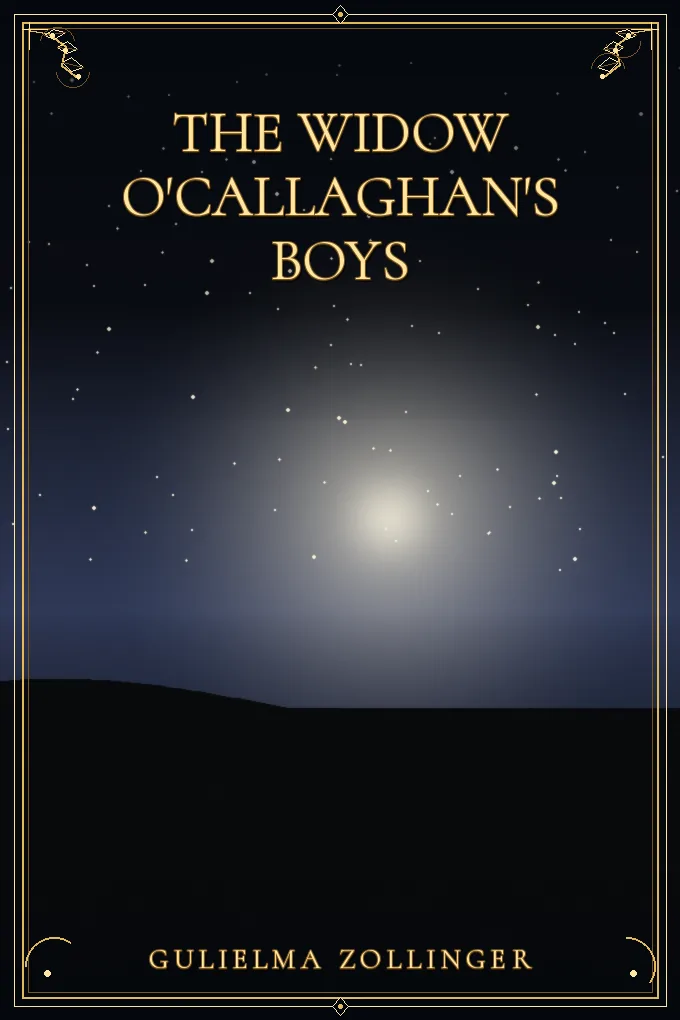
Cover illustration for The Widow O'Callaghan's Boys
Context Illustration Reading 1/31 · 5 lines
English subtitles · tap any word to listen 1 / 5
It was the last day of August that Pat went walking down to do his marketing with a jubilant air.
Next week school was to begin, and with the beginning of the term he had expected to go back to his old wages of a dollar a week.
But that morning Mrs. Brady had told him that he was still to have two dollars.
"And me goin' to school?" asked the boy in surprise.
"Yes, Pat.
0:00 / 0:00
Speed 0.75x
AI-generated narration by OpenAI · Slow US English
LEARNER DICTIONARY
Archivist
/ˈɑːrkɪvɪst/
Editorial verification pending

A keeper or guardian of historical records and memories.

The Widow O'Callaghan's Boys

Chapter XI · Chapter 11

Chapter 11 of The Widow O'Callaghan's Boys is here in full — 155 sentences across 31 reading sections, with audio for every sentence and word.

Reading 1/31 · 5 reading units · Lines 1–5

Line 1
It was the last day of August that Pat went walking down to do his marketing with a jubilant air.
/ɪt wɑːz ðə læst deɪ ʌv ˈɑːɡəst ðæt pæt went ˈwɔːkɪŋ daʊn tuː duː hɪz ˈmɑːrkətɪŋ wɪð ə ˈdʒuːbələnt er/
Line 2
Next week school was to begin, and with the beginning of the term he had expected to go back to his old wages of a dollar a week.
/nekst wiːk skuːl wɑːz tuː bɪˈɡɪn ənd wɪð ðə bɪˈɡɪnɪŋ ʌv ðə tɜːrm hiː hæd ɪkˈspektəd tuː ɡoʊ bæk tuː hɪz oʊld ˈweɪdʒəz ʌv ə ˈdɑːlər ə wiːk/
Line 3
But that morning Mrs. Brady had told him that he was still to have two dollars.
/bʌt ðæt ˈmɔːrnɪŋ ˈmɪsɪz ˈbreɪdi hæd toʊld hɪm ðæt hiː wɑːz stɪl tuː hæv tuː ˈdɑːlərz/
Line 4
"And me goin' to school?" asked the boy in surprise.
Line 5
"Yes, Pat.
/jes pæt/

Learner Dictionary

These definitions explain words found in the current reading and keep every example grounded in its original sentence.

Oxford-style entry order: headword, part of speech, US IPA, concise definition, contextual example, and audio.

August noun US /ˈɑːɡəst/

the month following July and preceding September

From this reading “It was the last day of August that Pat went walking down to do his marketing with a jubilant air.”

Brady noun US /ˈbreɪdi/

United States pioneer photographer famous for his portraits; was the official Union photographer for the American Civil War (1823-1896)

From this reading “But that morning Mrs. Brady had told him that he was still to have two dollars.”

dollar noun US /ˈdɑːlər/

the basic monetary unit in many countries; equal to 100 cents

From this reading “Next week school was to begin, and with the beginning of the term he had expected to go back to his old wages of a dollar a week.”

jubilant adjective US /ˈdʒuːbələnt/

joyful and proud especially because of triumph or success

From this reading “It was the last day of August that Pat went walking down to do his marketing with a jubilant air.”

marketing noun US /ˈmɑːrkətɪŋ/

the exchange of goods for an agreed sum of money

From this reading “It was the last day of August that Pat went walking down to do his marketing with a jubilant air.”

Pat verb US /pæt/

pat or squeeze fondly or playfully, especially under the chin

From this reading “It was the last day of August that Pat went walking down to do his marketing with a jubilant air.”

term noun US /tɜːrm/

a word or expression used for some particular thing

From this reading “Next week school was to begin, and with the beginning of the term he had expected to go back to his old wages of a dollar a week.”

wages noun US /ˈweɪdʒəz/

a recompense for worthy acts or retribution for wrongdoing

From this reading “Next week school was to begin, and with the beginning of the term he had expected to go back to his old wages of a dollar a week.”

All words in this reading · 52

Every word in these five lines is listed here, and every one of them can be played on its own.

Dictionary details are shown only when verified; these are not licensed Oxford entries.

adeterminerUS /ə/

used before a singular noun to mean one of a group, when it is not a particular one

From this reading It was the last day of August that Pat went walking down to do his marketing with a jubilant air.

airnounUS /er/

a mixture of gases (especially oxygen) required for breathing; the stuff that the wind consists of

From this reading It was the last day of August that Pat went walking down to do his marketing with a jubilant air.

andconjunctionUS /ənd/

used to join words or parts of a sentence that go together

From this reading Next week school was to begin, and with the beginning of the term he had expected to go back to his old wages of a dollar a week.

askedverbUS /æskt/

past form of “ask” — make a request or demand for something to somebody

From this reading "And me goin' to school?" asked the boy in surprise.

AugustnounUS /ˈɑːɡəst/

the month following July and preceding September

From this reading It was the last day of August that Pat went walking down to do his marketing with a jubilant air.

backadverbUS /bæk/

in or to or toward a former location

From this reading Next week school was to begin, and with the beginning of the term he had expected to go back to his old wages of a dollar a week.

beginverbUS /bɪˈɡɪn/

take the first step or steps in carrying out an action

From this reading Next week school was to begin, and with the beginning of the term he had expected to go back to his old wages of a dollar a week.

beginningnounUS /bɪˈɡɪnɪŋ/

the event consisting of the start of something

From this reading Next week school was to begin, and with the beginning of the term he had expected to go back to his old wages of a dollar a week.

boynounUS /bɔɪ/

a youthful male person

From this reading "And me goin' to school?" asked the boy in surprise.

BradynounUS /ˈbreɪdi/

United States pioneer photographer famous for his portraits; was the official Union photographer for the American Civil War (1823-1896)

From this reading But that morning Mrs. Brady had told him that he was still to have two dollars.

ButconjunctionUS /bʌt/

used to introduce something that contrasts with what came before

From this reading But that morning Mrs. Brady had told him that he was still to have two dollars.

daynounUS /deɪ/

time for Earth to make a complete rotation on its axis

From this reading It was the last day of August that Pat went walking down to do his marketing with a jubilant air.

doauxiliary verbUS /duː/

used to form questions and negatives, and to give emphasis

From this reading It was the last day of August that Pat went walking down to do his marketing with a jubilant air.

dollarnounUS /ˈdɑːlər/

the basic monetary unit in many countries; equal to 100 cents

From this reading Next week school was to begin, and with the beginning of the term he had expected to go back to his old wages of a dollar a week.

dollarsnounUS /ˈdɑːlərz/

plural of “dollar” — the basic monetary unit in many countries; equal to 100 cents

From this reading But that morning Mrs. Brady had told him that he was still to have two dollars.

downadjectiveUS /daʊn/

being or moving lower in position or less in some value

From this reading It was the last day of August that Pat went walking down to do his marketing with a jubilant air.

expectedadjectiveUS /ɪkˈspektəd/

considered likely or probable to happen or arrive

From this reading Next week school was to begin, and with the beginning of the term he had expected to go back to his old wages of a dollar a week.

goverbUS /ɡoʊ/

change location; move, travel, or proceed, also metaphorically

From this reading Next week school was to begin, and with the beginning of the term he had expected to go back to his old wages of a dollar a week.

goin

Dictionary entry pending editorial verification. Tap Listen to hear the word.

From this reading "And me goin' to school?" asked the boy in surprise.

hadauxiliary verbUS /hæd/

the past form of “have”, used to form the past perfect

From this reading Next week school was to begin, and with the beginning of the term he had expected to go back to his old wages of a dollar a week.

haveauxiliary verbUS /hæv/

used with a past participle to form the perfect tenses

From this reading But that morning Mrs. Brady had told him that he was still to have two dollars.

hepronounUS /hiː/

a man, boy, or male animal already mentioned, as the subject

From this reading Next week school was to begin, and with the beginning of the term he had expected to go back to his old wages of a dollar a week.

himpronounUS /hɪm/

the male already mentioned, as the object of a verb or preposition

From this reading But that morning Mrs. Brady had told him that he was still to have two dollars.

hisdeterminerUS /hɪz/

belonging to a man, boy, or male animal already mentioned

From this reading It was the last day of August that Pat went walking down to do his marketing with a jubilant air.

inprepositionUS /ɪn/

inside something, or within a place, period, or state

From this reading "And me goin' to school?" asked the boy in surprise.

ItpronounUS /ɪt/

a thing, animal, or idea already mentioned

From this reading It was the last day of August that Pat went walking down to do his marketing with a jubilant air.

jubilantadjectiveUS /ˈdʒuːbələnt/

joyful and proud especially because of triumph or success

From this reading It was the last day of August that Pat went walking down to do his marketing with a jubilant air.

lastadjectiveUS /læst/

immediately past

From this reading It was the last day of August that Pat went walking down to do his marketing with a jubilant air.

marketingnounUS /ˈmɑːrkətɪŋ/

the exchange of goods for an agreed sum of money

From this reading It was the last day of August that Pat went walking down to do his marketing with a jubilant air.

mepronounUS /miː/

the person speaking, as the object of a verb or preposition

From this reading "And me goin' to school?" asked the boy in surprise.

morningnounUS /ˈmɔːrnɪŋ/

the time period between dawn and noon

From this reading But that morning Mrs. Brady had told him that he was still to have two dollars.

MrsnounUS /ˈmɪsɪz/

a form of address for a married woman

From this reading But that morning Mrs. Brady had told him that he was still to have two dollars.

NextadjectiveUS /nekst/

immediately following in time or order

From this reading Next week school was to begin, and with the beginning of the term he had expected to go back to his old wages of a dollar a week.

ofprepositionUS /ʌv/

belonging to, or connected with, somebody or something

From this reading It was the last day of August that Pat went walking down to do his marketing with a jubilant air.

oldadjectiveUS /oʊld/

(used especially of persons) having lived for a relatively long time or attained a specific age

From this reading Next week school was to begin, and with the beginning of the term he had expected to go back to his old wages of a dollar a week.

PatverbUS /pæt/

pat or squeeze fondly or playfully, especially under the chin

From this reading It was the last day of August that Pat went walking down to do his marketing with a jubilant air.

schoolnounUS /skuːl/

an educational institution

From this reading Next week school was to begin, and with the beginning of the term he had expected to go back to his old wages of a dollar a week.

stilladjectiveUS /stɪl/

not in physical motion

From this reading But that morning Mrs. Brady had told him that he was still to have two dollars.

surprisenounUS /sərˈpraɪz/

the astonishment you feel when something totally unexpected happens to you

From this reading "And me goin' to school?" asked the boy in surprise.

termnounUS /tɜːrm/

a word or expression used for some particular thing

From this reading Next week school was to begin, and with the beginning of the term he had expected to go back to his old wages of a dollar a week.

thatconjunctionUS /ðæt/

used to introduce what somebody said, thought, or felt

From this reading It was the last day of August that Pat went walking down to do his marketing with a jubilant air.

thedeterminerUS /ðə/

used before a noun that is already known, already mentioned, or the only one of its kind

From this reading It was the last day of August that Pat went walking down to do his marketing with a jubilant air.

toparticleUS /tuː/

used before the base form of a verb to make the infinitive

From this reading It was the last day of August that Pat went walking down to do his marketing with a jubilant air.

toldverbUS /toʊld/

inflected form of “tell” — express in words

From this reading But that morning Mrs. Brady had told him that he was still to have two dollars.

twonounUS /tuː/

the cardinal number that is the sum of one and one or a numeral representing this number

From this reading But that morning Mrs. Brady had told him that he was still to have two dollars.

wagesnounUS /ˈweɪdʒəz/

a recompense for worthy acts or retribution for wrongdoing

From this reading Next week school was to begin, and with the beginning of the term he had expected to go back to his old wages of a dollar a week.

walkingadjectiveUS /ˈwɔːkɪŋ/

close enough to be walked to

From this reading It was the last day of August that Pat went walking down to do his marketing with a jubilant air.

wasauxiliary verbUS /wɑːz/

the past form of “be” used with I, he, she, it, or a singular noun

From this reading It was the last day of August that Pat went walking down to do his marketing with a jubilant air.

weeknounUS /wiːk/

any period of seven consecutive days

From this reading Next week school was to begin, and with the beginning of the term he had expected to go back to his old wages of a dollar a week.

wentverbUS /went/

inflected form of “go” — change location; move, travel, or proceed, also metaphorically

From this reading It was the last day of August that Pat went walking down to do his marketing with a jubilant air.

withprepositionUS /wɪð/

in the company of; together with

From this reading It was the last day of August that Pat went walking down to do his marketing with a jubilant air.

YesnounUS /jes/

an affirmative

From this reading "Yes, Pat.

Chapter 11 of The Widow O'Callaghan's Boys by Gulielma Zollinger holds 155 sentences, grouped into 31 reading sections of at most 5 sentences. The text is the source edition, unabridged, and the chapter records which sentences cover which part of the work so that nothing is dropped. Every word can be tapped for its pronunciation and dictionary entry.

What does chapter 11 of The Widow O'Callaghan's Boys contain?

Chapter 11 holds 155 sentences of The Widow O'Callaghan's Boys, unabridged, divided into 31 reading sections.

This page carries chapter 11 of The Widow O'Callaghan's Boys by Gulielma Zollinger exactly as it stands in the source edition, without abridgement. It runs to 155 sentences, grouped into 31 sections of at most 5 sentences so that a reader can take the chapter in steady, finishable pieces. The chapter also stores a coverage record mapping every one of its sentences to a part of the work, which is how the edition demonstrates that no line was dropped.

How do I study chapter 11 of The Widow O'Callaghan's Boys?

Work through the 31 sections in order, replaying any sentence and tapping unfamiliar words for their entries.

Each of the 31 sections in this chapter is short enough to read once, hear once, and then re-read with the vocabulary in view. Tapping a word plays it alone and opens its dictionary entry with IPA, part of speech and meaning, so the reader is never forced to guess a pronunciation from spelling. Working section by section keeps a long chapter from becoming an undifferentiated wall of text, which is the usual reason a reader abandons a work of this period.

Can chapter 11 be read aloud to me?

Yes — every sentence and every individual word in chapter 11 can be played aloud in United States English.

Audio covers the whole chapter: any sentence can be played, and any single word within it can be played on its own. The voice uses United States English. For a work of this period that matters, because spelling is an unreliable guide to pronunciation for vocabulary that has fallen out of daily use, and a learner who guesses wrong tends to keep the error. Hearing the word in its own sentence, and then alone, settles it.

Questions about reading The Widow O'Callaghan's Boys

Common questions about reading The Widow O'Callaghan's Boys by Gulielma Zollinger on this page, its source edition and its audio.

Is this the complete text of The Widow O'Callaghan's Boys?

Yes. All 3267 sentences of Project Gutenberg eBook #9329 are kept, with a record of which sentences cover which part.

Which edition of The Widow O'Callaghan's Boys is used?

Project Gutenberg eBook #9329, unabridged. The Project Gutenberg header, footer and licence are removed.

How long does The Widow O'Callaghan's Boys take to read?

About 272 minutes of reading across 654 sections of 5 sentences each, at an unhurried pace.

How to read The Widow O'Callaghan's Boys section by section

How to work through The Widow O'Callaghan's Boys section by section, using the audio and the tap-to-define vocabulary.

  1. Open a chapter

    Choose one of the 21 chapters of The Widow O'Callaghan's Boys to begin.

  2. Read one section

    Each section holds 5 sentences; read it once through.

  3. Listen and tap

    Play the section aloud, then tap any unfamiliar word for its entry.

Vocabulary met early in The Widow O'Callaghan's Boys

Words and structures a reader meets early in The Widow O'Callaghan's Boys, each tappable for pronunciation and meaning.

O'callaghan
A word that appears in the opening chapter of The Widow O'Callaghan's Boys; the reader can tap it to hear it and see its dictionary entry.
Severe
A word that appears in the opening chapter of The Widow O'Callaghan's Boys; the reader can tap it to hear it and see its dictionary entry.
Expensive
A word that appears in the opening chapter of The Widow O'Callaghan's Boys; the reader can tap it to hear it and see its dictionary entry.
Sickness
A word that appears in the opening chapter of The Widow O'Callaghan's Boys; the reader can tap it to hear it and see its dictionary entry.