Complete classic literature • Five-line readings • Clear US narration
VELMORA ACADEMY
Academy of Archival Languages & Memory Studies
Menu Close
The Wild Olive: A Novel

Chapter XIII · Chapter 13

Chapter 13 of The Wild Olive: A Novel is here in full — 415 sentences across 83 reading sections, with audio for every sentence and word.

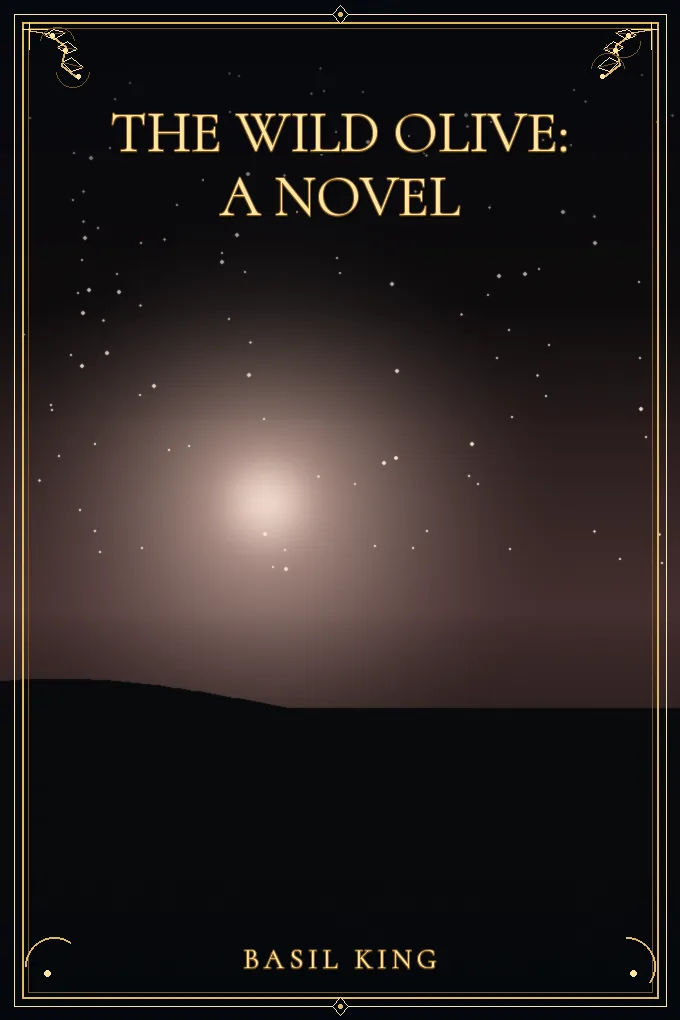
Cover illustration for The Wild Olive: A Novel
Context Illustration Reading 1/83 · 5 lines
English subtitles · tap any word to listen 1 / 5
"But if she had no hand in the crime, I don't see where the remorse comes in."
"It comes in vicariously.
She feels it for Jacob, since Jacob didn't live to feel it for himself.
It involves a subtle element of wifely devotion which I guess you're too young, or too inexperienced, to understand.

She was glad old Jacob was gone, so that she could make his confession with impunity.
0:00 / 0:00
Speed 0.75x
AI-generated narration by OpenAI · Slow US English
LEARNER DICTIONARY
Archivist
/ˈɑːrkɪvɪst/
Editorial verification pending

A keeper or guardian of historical records and memories.

The Wild Olive: A Novel

Chapter XIII · Chapter 13

Chapter 13 of The Wild Olive: A Novel is here in full — 415 sentences across 83 reading sections, with audio for every sentence and word.

Reading 1/83 · 5 reading units · Lines 1–5

Line 1
"But if she had no hand in the crime, I don't see where the remorse comes in."
Line 2
"It comes in vicariously.
/ɪt kʌmz ɪn vaɪˈkeriəsli/
Line 3
She feels it for Jacob, since Jacob didn't live to feel it for himself.
Line 4
It involves a subtle element of wifely devotion which I guess you're too young, or too inexperienced, to understand.
Line 5
She was glad old Jacob was gone, so that she could make his confession with impunity.
/ʃiː wɑːz ɡlæd oʊld ˈdʒeɪkəb wɑːz ɡɔːn soʊ ðæt ʃiː kʊd meɪk hɪz kənˈfeʃən wɪð ˌɪmˈpjuːnɪti/

Learner Dictionary

These definitions explain words found in the current reading and keep every example grounded in its original sentence.

Oxford-style entry order: headword, part of speech, US IPA, concise definition, contextual example, and audio.

element noun US /ˈeləmənt/

an abstract part of something

From this reading “It involves a subtle element of wifely devotion which I guess you're too young, or too inexperienced, to understand.”

impunity noun US /ˌɪmˈpjuːnɪti/

exemption from punishment or loss

From this reading “She was glad old Jacob was gone, so that she could make his confession with impunity.”

inexperienced adjective US /ɪnɪkˈspɪriənst/

lacking practical experience or training

From this reading “It involves a subtle element of wifely devotion which I guess you're too young, or too inexperienced, to understand.”

involves verb US /ˌɪnˈvɑːlvz/

third-person singular of “involve” — connect closely and often incriminatingly

From this reading “It involves a subtle element of wifely devotion which I guess you're too young, or too inexperienced, to understand.”

Jacob noun US /ˈdʒeɪkəb/

French biochemist who (with Jacques Monod) studied regulatory processes in cells (born in 1920)

From this reading “She feels it for Jacob, since Jacob didn't live to feel it for himself.”

remorse noun US /rɪˈmɔːrs/

a feeling of deep regret (usually for some misdeed)

From this reading “"But if she had no hand in the crime, I don't see where the remorse comes in."”

subtle adjective US /ˈsʌtəl/

difficult to detect or grasp by the mind or analyze

From this reading “It involves a subtle element of wifely devotion which I guess you're too young, or too inexperienced, to understand.”

vicariously adverb US /vaɪˈkeriəsli/

indirectly, as, by, or through a substitute

From this reading “"It comes in vicariously.”

All words in this reading · 53

Every word in these five lines is listed here, and every one of them can be played on its own.

Dictionary details are shown only when verified; these are not licensed Oxford entries.

adeterminerUS /ə/

used before a singular noun to mean one of a group, when it is not a particular one

From this reading It involves a subtle element of wifely devotion which I guess you're too young, or too inexperienced, to understand.

ButconjunctionUS /bʌt/

used to introduce something that contrasts with what came before

From this reading "But if she had no hand in the crime, I don't see where the remorse comes in."

comesnounUS /kʌmz/

plural of “come” — the thick white fluid containing spermatozoa that is ejaculated by the male genital tract

From this reading "But if she had no hand in the crime, I don't see where the remorse comes in."

confessionnounUS /kənˈfeʃən/

an admission of misdeeds or faults

From this reading She was glad old Jacob was gone, so that she could make his confession with impunity.

couldmodal verbUS /kʊd/

the past of “can”; used for possibility or polite requests

From this reading She was glad old Jacob was gone, so that she could make his confession with impunity.

crimenounUS /kraɪm/

(criminal law) an act punishable by law; usually considered an evil act

From this reading "But if she had no hand in the crime, I don't see where the remorse comes in."

devotionnounUS /dɪˈvoʊʃən/

feelings of ardent love

From this reading It involves a subtle element of wifely devotion which I guess you're too young, or too inexperienced, to understand.

didn't

Dictionary entry pending editorial verification. Tap Listen to hear the word.

From this reading She feels it for Jacob, since Jacob didn't live to feel it for himself.

don't

Dictionary entry pending editorial verification. Tap Listen to hear the word.

From this reading "But if she had no hand in the crime, I don't see where the remorse comes in."

elementnounUS /ˈeləmənt/

an abstract part of something

From this reading It involves a subtle element of wifely devotion which I guess you're too young, or too inexperienced, to understand.

feelverbUS /fiːl/

undergo an emotional sensation or be in a particular state of mind

From this reading She feels it for Jacob, since Jacob didn't live to feel it for himself.

feelsnounUS /fiːlz/

plural of “feel” — an intuitive awareness

From this reading She feels it for Jacob, since Jacob didn't live to feel it for himself.

forprepositionUS /fɔːr/

intended to be given to, or used by, somebody

From this reading She feels it for Jacob, since Jacob didn't live to feel it for himself.

gladadjectiveUS /ɡlæd/

showing or causing joy and pleasure; especially made happy

From this reading She was glad old Jacob was gone, so that she could make his confession with impunity.

goneadjectiveUS /ɡɔːn/

destroyed or killed

From this reading She was glad old Jacob was gone, so that she could make his confession with impunity.

guessverbUS /ɡes/

expect, believe, or suppose

From this reading It involves a subtle element of wifely devotion which I guess you're too young, or too inexperienced, to understand.

hadauxiliary verbUS /hæd/

the past form of “have”, used to form the past perfect

From this reading "But if she had no hand in the crime, I don't see where the remorse comes in."

handnounUS /hænd/

the (prehensile) extremity of the superior limb

From this reading "But if she had no hand in the crime, I don't see where the remorse comes in."

himselfpronounUS /hɪmˈself/

used when the man or boy doing the action is also its object

From this reading She feels it for Jacob, since Jacob didn't live to feel it for himself.

hisdeterminerUS /hɪz/

belonging to a man, boy, or male animal already mentioned

From this reading She was glad old Jacob was gone, so that she could make his confession with impunity.

IpronounUS /aɪ/

the person speaking or writing, as the subject of the verb

From this reading "But if she had no hand in the crime, I don't see where the remorse comes in."

ifconjunctionUS /ɪf/

on condition that; in the event that

From this reading "But if she had no hand in the crime, I don't see where the remorse comes in."

impunitynounUS /ˌɪmˈpjuːnɪti/

exemption from punishment or loss

From this reading She was glad old Jacob was gone, so that she could make his confession with impunity.

inprepositionUS /ɪn/

inside something, or within a place, period, or state

From this reading "But if she had no hand in the crime, I don't see where the remorse comes in."

inexperiencedadjectiveUS /ɪnɪkˈspɪriənst/

lacking practical experience or training

From this reading It involves a subtle element of wifely devotion which I guess you're too young, or too inexperienced, to understand.

involvesverbUS /ˌɪnˈvɑːlvz/

third-person singular of “involve” — connect closely and often incriminatingly

From this reading It involves a subtle element of wifely devotion which I guess you're too young, or too inexperienced, to understand.

ItpronounUS /ɪt/

a thing, animal, or idea already mentioned

From this reading "It comes in vicariously.

JacobnounUS /ˈdʒeɪkəb/

French biochemist who (with Jacques Monod) studied regulatory processes in cells (born in 1920)

From this reading She feels it for Jacob, since Jacob didn't live to feel it for himself.

liveverbUS /laɪv/

be an inhabitant of or reside in

From this reading She feels it for Jacob, since Jacob didn't live to feel it for himself.

makeverbUS /meɪk/

engage in

From this reading She was glad old Jacob was gone, so that she could make his confession with impunity.

nodeterminerUS /noʊ/

not any; not one

From this reading "But if she had no hand in the crime, I don't see where the remorse comes in."

ofprepositionUS /ʌv/

belonging to, or connected with, somebody or something

From this reading It involves a subtle element of wifely devotion which I guess you're too young, or too inexperienced, to understand.

oldadjectiveUS /oʊld/

(used especially of persons) having lived for a relatively long time or attained a specific age

From this reading She was glad old Jacob was gone, so that she could make his confession with impunity.

orconjunctionUS /ɔːr/

used to join alternatives or possibilities

From this reading It involves a subtle element of wifely devotion which I guess you're too young, or too inexperienced, to understand.

remorsenounUS /rɪˈmɔːrs/

a feeling of deep regret (usually for some misdeed)

From this reading "But if she had no hand in the crime, I don't see where the remorse comes in."

seeverbUS /siː/

perceive by sight or have the power to perceive by sight

From this reading "But if she had no hand in the crime, I don't see where the remorse comes in."

shepronounUS /ʃiː/

a woman, girl, or female animal already mentioned, as the subject

From this reading "But if she had no hand in the crime, I don't see where the remorse comes in."

sinceprepositionUS /sɪns/

from a time in the past until now

From this reading She feels it for Jacob, since Jacob didn't live to feel it for himself.

soconjunctionUS /soʊ/

for that reason; with the result that

From this reading She was glad old Jacob was gone, so that she could make his confession with impunity.

subtleadjectiveUS /ˈsʌtəl/

difficult to detect or grasp by the mind or analyze

From this reading It involves a subtle element of wifely devotion which I guess you're too young, or too inexperienced, to understand.

thatconjunctionUS /ðæt/

used to introduce what somebody said, thought, or felt

From this reading She was glad old Jacob was gone, so that she could make his confession with impunity.

thedeterminerUS /ðə/

used before a noun that is already known, already mentioned, or the only one of its kind

From this reading "But if she had no hand in the crime, I don't see where the remorse comes in."

toparticleUS /tuː/

used before the base form of a verb to make the infinitive

From this reading She feels it for Jacob, since Jacob didn't live to feel it for himself.

tooadverbUS /tuː/

to a degree exceeding normal or proper limits

From this reading It involves a subtle element of wifely devotion which I guess you're too young, or too inexperienced, to understand.

understandverbUS /ˌʌndərˈstænd/

know and comprehend the nature or meaning of

From this reading It involves a subtle element of wifely devotion which I guess you're too young, or too inexperienced, to understand.

vicariouslyadverbUS /vaɪˈkeriəsli/

indirectly, as, by, or through a substitute

From this reading "It comes in vicariously.

wasauxiliary verbUS /wɑːz/

the past form of “be” used with I, he, she, it, or a singular noun

From this reading She was glad old Jacob was gone, so that she could make his confession with impunity.

whereconjunctionUS /wer/

in or at the place that

From this reading "But if she had no hand in the crime, I don't see where the remorse comes in."

whichpronounUS /wɪtʃ/

used to introduce a clause giving more about a thing just mentioned

From this reading It involves a subtle element of wifely devotion which I guess you're too young, or too inexperienced, to understand.

wifelyadjective

befitting or characteristic of a wife

From this reading It involves a subtle element of wifely devotion which I guess you're too young, or too inexperienced, to understand.

withprepositionUS /wɪð/

in the company of; together with

From this reading She was glad old Jacob was gone, so that she could make his confession with impunity.

you're

Dictionary entry pending editorial verification. Tap Listen to hear the word.

From this reading It involves a subtle element of wifely devotion which I guess you're too young, or too inexperienced, to understand.

youngadjectiveUS /jʌŋ/

(used of living things especially persons) in an early period of life or development or growth

From this reading It involves a subtle element of wifely devotion which I guess you're too young, or too inexperienced, to understand.

Chapter 13 of The Wild Olive: A Novel by Basil King holds 415 sentences, grouped into 83 reading sections of at most 5 sentences. The text is the source edition, unabridged, and the chapter records which sentences cover which part of the work so that nothing is dropped. Every word can be tapped for its pronunciation and dictionary entry.

What does chapter 13 of The Wild Olive: A Novel contain?

Chapter 13 holds 415 sentences of The Wild Olive: A Novel, unabridged, divided into 83 reading sections.

This page carries chapter 13 of The Wild Olive: A Novel by Basil King exactly as it stands in the source edition, without abridgement. It runs to 415 sentences, grouped into 83 sections of at most 5 sentences so that a reader can take the chapter in steady, finishable pieces. The chapter also stores a coverage record mapping every one of its sentences to a part of the work, which is how the edition demonstrates that no line was dropped.

How do I study chapter 13 of The Wild Olive: A Novel?

Work through the 83 sections in order, replaying any sentence and tapping unfamiliar words for their entries.

Each of the 83 sections in this chapter is short enough to read once, hear once, and then re-read with the vocabulary in view. Tapping a word plays it alone and opens its dictionary entry with IPA, part of speech and meaning, so the reader is never forced to guess a pronunciation from spelling. Working section by section keeps a long chapter from becoming an undifferentiated wall of text, which is the usual reason a reader abandons a work of this period.

Can chapter 13 be read aloud to me?

Yes — every sentence and every individual word in chapter 13 can be played aloud in United States English.

Audio covers the whole chapter: any sentence can be played, and any single word within it can be played on its own. The voice uses United States English. For a work of this period that matters, because spelling is an unreliable guide to pronunciation for vocabulary that has fallen out of daily use, and a learner who guesses wrong tends to keep the error. Hearing the word in its own sentence, and then alone, settles it.

Questions about reading The Wild Olive: A Novel

Common questions about reading The Wild Olive: A Novel by Basil King on this page, its source edition and its audio.

Is this the complete text of The Wild Olive: A Novel?

Yes. All 5847 sentences of Project Gutenberg eBook #13212 are kept, with a record of which sentences cover which part.

Which edition of The Wild Olive: A Novel is used?

Project Gutenberg eBook #13212, unabridged. The Project Gutenberg header, footer and licence are removed.

How long does The Wild Olive: A Novel take to read?

About 487 minutes of reading across 1170 sections of 5 sentences each, at an unhurried pace.

How to read The Wild Olive: A Novel section by section

How to work through The Wild Olive: A Novel section by section, using the audio and the tap-to-define vocabulary.

  1. Open a chapter

    Choose one of the 14 chapters of The Wild Olive: A Novel to begin.

  2. Read one section

    Each section holds 5 sentences; read it once through.

  3. Listen and tap

    Play the section aloud, then tap any unfamiliar word for its entry.

Vocabulary met early in The Wild Olive: A Novel

Words and structures a reader meets early in The Wild Olive: A Novel, each tappable for pronunciation and meaning.

Author
A word that appears in the opening chapter of The Wild Olive: A Novel; the reader can tap it to hear it and see its dictionary entry.
Inner
A word that appears in the opening chapter of The Wild Olive: A Novel; the reader can tap it to hear it and see its dictionary entry.
Shrine
A word that appears in the opening chapter of The Wild Olive: A Novel; the reader can tap it to hear it and see its dictionary entry.
Finding
A word that appears in the opening chapter of The Wild Olive: A Novel; the reader can tap it to hear it and see its dictionary entry.