Complete classic literature • Five-line readings • Clear US narration
VELMORA ACADEMY
Academy of Archival Languages & Memory Studies
Menu Close
The Wonders of the Jungle, Book One

Chapter XIII · Chapter 13

Chapter 13 of The Wonders of the Jungle, Book One is here in full — 76 sentences across 16 reading sections, with audio for every sentence and word.

Cover illustration for The Wonders of the Jungle, Book One
Context Illustration Reading 1/15 · 5 lines
English subtitles · tap any word to listen 1 / 5
The Camel and the Thief Now I shall tell you a story about a camel and a thief.
It is a true story, and happened many, many years ago.
The story shows what we can learn by watching the animals.
Once upon a time, a traveler was going on foot across the country.
In his belt he had a purse full of money.
0:00 / 0:00
Speed 0.75x
AI-generated narration by OpenAI · Slow US English
LEARNER DICTIONARY
Archivist
/ˈɑːrkɪvɪst/
Editorial verification pending

A keeper or guardian of historical records and memories.

The Wonders of the Jungle, Book One

Chapter XIII · Chapter 13

Chapter 13 of The Wonders of the Jungle, Book One is here in full — 76 sentences across 16 reading sections, with audio for every sentence and word.

Reading 1/15 · 5 reading units · Lines 1–5

Line 1
The Camel and the Thief Now I shall tell you a story about a camel and a thief.
/ðə ˈkæməl ənd ðə θiːf naʊ aɪ ʃæl tel juː ə ˈstɔːri əˈbaʊt ə ˈkæməl ənd ə θiːf/
Line 2
It is a true story, and happened many, many years ago.
/ɪt ɪz ə truː ˈstɔːri ənd ˈhæpənd ˈmeni ˈmeni jɪrz əˈɡoʊ/
Line 3
The story shows what we can learn by watching the animals.
/ðə ˈstɔːri ʃoʊz wʌt wiː kæn lɜːrn baɪ ˈwɑːtʃɪŋ ðə ˈænəməlz/
Line 4
Once upon a time, a traveler was going on foot across the country.
/wʌns əˈpɑːn ə taɪm ə ˈtrævələr wɑːz ˈɡoʊɪŋ ɑːn fʊt əˈkrɔːs ðə ˈkʌntri/
Line 5
In his belt he had a purse full of money.
/ɪn hɪz belt hiː hæd ə pɜːrs fʊl ʌv ˈmʌni/

Learner Dictionary

These definitions explain words found in the current reading and keep every example grounded in its original sentence.

Oxford-style entry order: headword, part of speech, US IPA, concise definition, contextual example, and audio.

animals noun US /ˈænəməlz/

plural of “animal” — a living organism characterized by voluntary movement

From this reading “The story shows what we can learn by watching the animals.”

belt noun US /belt/

endless loop of flexible material between two rotating shafts or pulleys

From this reading “In his belt he had a purse full of money.”

camel noun US /ˈkæməl/

cud-chewing mammal used as a draft or saddle animal in desert regions

From this reading “The Camel and the Thief Now I shall tell you a story about a camel and a thief.”

purse noun US /pɜːrs/

a container used for carrying money and small personal items or accessories (especially by women)

From this reading “In his belt he had a purse full of money.”

shows noun US /ʃoʊz/

plural of “show” — the act of publicly exhibiting or entertaining

From this reading “The story shows what we can learn by watching the animals.”

thief noun US /θiːf/

a criminal who takes property belonging to someone else with the intention of keeping it or selling it

From this reading “The Camel and the Thief Now I shall tell you a story about a camel and a thief.”

traveler noun US /ˈtrævələr/

a person who changes location

From this reading “Once upon a time, a traveler was going on foot across the country.”

watching noun US /ˈwɑːtʃɪŋ/

the act of observing; taking a patient look

From this reading “The story shows what we can learn by watching the animals.”

All words in this reading · 46

Every word in these five lines is listed here, and every one of them can be played on its own.

Dictionary details are shown only when verified; these are not licensed Oxford entries.

adeterminerUS /ə/

used before a singular noun to mean one of a group, when it is not a particular one

From this reading The Camel and the Thief Now I shall tell you a story about a camel and a thief.

aboutprepositionUS /əˈbaʊt/

on the subject of; concerning

From this reading The Camel and the Thief Now I shall tell you a story about a camel and a thief.

acrossprepositionUS /əˈkrɔːs/

from one side of something to the other

From this reading Once upon a time, a traveler was going on foot across the country.

agoadverbUS /əˈɡoʊ/

in the past

From this reading It is a true story, and happened many, many years ago.

andconjunctionUS /ənd/

used to join words or parts of a sentence that go together

From this reading The Camel and the Thief Now I shall tell you a story about a camel and a thief.

animalsnounUS /ˈænəməlz/

plural of “animal” — a living organism characterized by voluntary movement

From this reading The story shows what we can learn by watching the animals.

beltnounUS /belt/

endless loop of flexible material between two rotating shafts or pulleys

From this reading In his belt he had a purse full of money.

byprepositionUS /baɪ/

showing who or what does the action

From this reading The story shows what we can learn by watching the animals.

CamelnounUS /ˈkæməl/

cud-chewing mammal used as a draft or saddle animal in desert regions

From this reading The Camel and the Thief Now I shall tell you a story about a camel and a thief.

canmodal verbUS /kæn/

to be able to, or to be allowed to

From this reading The story shows what we can learn by watching the animals.

countrynounUS /ˈkʌntri/

a politically organized body of people under a single government

From this reading Once upon a time, a traveler was going on foot across the country.

footnounUS /fʊt/

the part of the leg of a human being below the ankle joint

From this reading Once upon a time, a traveler was going on foot across the country.

fulladjectiveUS /fʊl/

containing as much or as many as is possible or normal

From this reading In his belt he had a purse full of money.

goingnounUS /ˈɡoʊɪŋ/

the act of departing

From this reading Once upon a time, a traveler was going on foot across the country.

hadauxiliary verbUS /hæd/

the past form of “have”, used to form the past perfect

From this reading In his belt he had a purse full of money.

happenedverbUS /ˈhæpənd/

past form of “happen” — come to pass

From this reading It is a true story, and happened many, many years ago.

hepronounUS /hiː/

a man, boy, or male animal already mentioned, as the subject

From this reading In his belt he had a purse full of money.

hisdeterminerUS /hɪz/

belonging to a man, boy, or male animal already mentioned

From this reading In his belt he had a purse full of money.

IpronounUS /aɪ/

the person speaking or writing, as the subject of the verb

From this reading The Camel and the Thief Now I shall tell you a story about a camel and a thief.

InprepositionUS /ɪn/

inside something, or within a place, period, or state

From this reading In his belt he had a purse full of money.

isauxiliary verbUS /ɪz/

the form of “be” used with he, she, it, or a singular noun

From this reading It is a true story, and happened many, many years ago.

ItpronounUS /ɪt/

a thing, animal, or idea already mentioned

From this reading It is a true story, and happened many, many years ago.

learnverbUS /lɜːrn/

gain knowledge or skills

From this reading The story shows what we can learn by watching the animals.

manyadjectiveUS /ˈmeni/

a quantifier that can be used with count nouns and is often preceded by “as” or “too” or “so” or “that”; amounting to a large but indefinite number

From this reading It is a true story, and happened many, many years ago.

moneynounUS /ˈmʌni/

the most common medium of exchange; functions as legal tender

From this reading In his belt he had a purse full of money.

NowadverbUS /naʊ/

in the historical present; at this point in the narration of a series of past events

From this reading The Camel and the Thief Now I shall tell you a story about a camel and a thief.

ofprepositionUS /ʌv/

belonging to, or connected with, somebody or something

From this reading In his belt he had a purse full of money.

onprepositionUS /ɑːn/

touching and supported by a surface

From this reading Once upon a time, a traveler was going on foot across the country.

OnceadverbUS /wʌns/

on one occasion

From this reading Once upon a time, a traveler was going on foot across the country.

pursenounUS /pɜːrs/

a container used for carrying money and small personal items or accessories (especially by women)

From this reading In his belt he had a purse full of money.

shallmodal verbUS /ʃæl/

used with I and we for the future, or to offer and suggest

From this reading The Camel and the Thief Now I shall tell you a story about a camel and a thief.

showsnounUS /ʃoʊz/

plural of “show” — the act of publicly exhibiting or entertaining

From this reading The story shows what we can learn by watching the animals.

storynounUS /ˈstɔːri/

a message that tells the particulars of an act or occurrence or course of events; presented in writing or drama or cinema or as a radio or television program

From this reading The Camel and the Thief Now I shall tell you a story about a camel and a thief.

tellverbUS /tel/

express in words

From this reading The Camel and the Thief Now I shall tell you a story about a camel and a thief.

ThedeterminerUS /ðə/

used before a noun that is already known, already mentioned, or the only one of its kind

From this reading The Camel and the Thief Now I shall tell you a story about a camel and a thief.

ThiefnounUS /θiːf/

a criminal who takes property belonging to someone else with the intention of keeping it or selling it

From this reading The Camel and the Thief Now I shall tell you a story about a camel and a thief.

timenounUS /taɪm/

an instance or single occasion for some event

From this reading Once upon a time, a traveler was going on foot across the country.

travelernounUS /ˈtrævələr/

a person who changes location

From this reading Once upon a time, a traveler was going on foot across the country.

trueadjectiveUS /truː/

consistent with fact or reality; not false

From this reading It is a true story, and happened many, many years ago.

uponprepositionUS /əˈpɑːn/

a formal word for “on”

From this reading Once upon a time, a traveler was going on foot across the country.

wasauxiliary verbUS /wɑːz/

the past form of “be” used with I, he, she, it, or a singular noun

From this reading Once upon a time, a traveler was going on foot across the country.

watchingnounUS /ˈwɑːtʃɪŋ/

the act of observing; taking a patient look

From this reading The story shows what we can learn by watching the animals.

wepronounUS /wiː/

the speaker together with one or more other people

From this reading The story shows what we can learn by watching the animals.

whatpronounUS /wʌt/

used to ask for information about something

From this reading The story shows what we can learn by watching the animals.

yearsnounUS /jɪrz/

a late time of life

From this reading It is a true story, and happened many, many years ago.

youpronounUS /juː/

the person or people being spoken to

From this reading The Camel and the Thief Now I shall tell you a story about a camel and a thief.

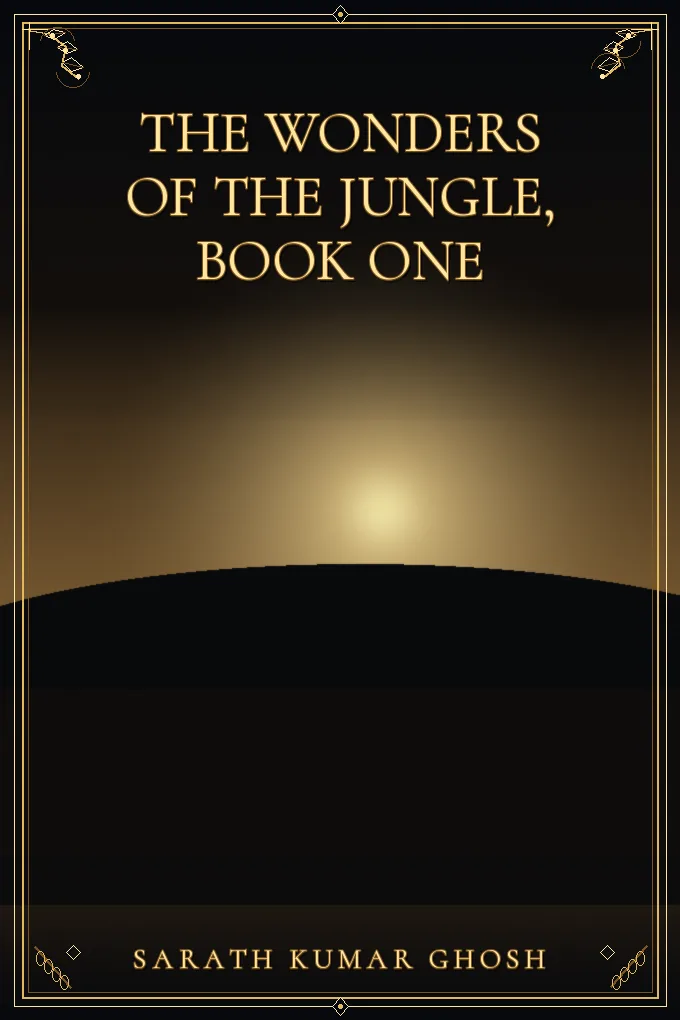
Chapter 13 of The Wonders of the Jungle, Book One by Sarath Kumar Ghosh holds 76 sentences, grouped into 16 reading sections of at most 5 sentences. The text is the source edition, unabridged, and the chapter records which sentences cover which part of the work so that nothing is dropped. Every word can be tapped for its pronunciation and dictionary entry.

What does chapter 13 of The Wonders of the Jungle, Book One contain?

Chapter 13 holds 76 sentences of The Wonders of the Jungle, Book One, unabridged, divided into 16 reading sections.

This page carries chapter 13 of The Wonders of the Jungle, Book One by Sarath Kumar Ghosh exactly as it stands in the source edition, without abridgement. It runs to 76 sentences, grouped into 16 sections of at most 5 sentences so that a reader can take the chapter in steady, finishable pieces. The chapter also stores a coverage record mapping every one of its sentences to a part of the work, which is how the edition demonstrates that no line was dropped.

How do I study chapter 13 of The Wonders of the Jungle, Book One?

Work through the 16 sections in order, replaying any sentence and tapping unfamiliar words for their entries.

Each of the 16 sections in this chapter is short enough to read once, hear once, and then re-read with the vocabulary in view. Tapping a word plays it alone and opens its dictionary entry with IPA, part of speech and meaning, so the reader is never forced to guess a pronunciation from spelling. Working section by section keeps a long chapter from becoming an undifferentiated wall of text, which is the usual reason a reader abandons a work of this period.

Can chapter 13 be read aloud to me?

Yes — every sentence and every individual word in chapter 13 can be played aloud in United States English.

Audio covers the whole chapter: any sentence can be played, and any single word within it can be played on its own. The voice uses United States English. For a work of this period that matters, because spelling is an unreliable guide to pronunciation for vocabulary that has fallen out of daily use, and a learner who guesses wrong tends to keep the error. Hearing the word in its own sentence, and then alone, settles it.

Questions about reading The Wonders of the Jungle, Book One

Common questions about reading The Wonders of the Jungle, Book One by Sarath Kumar Ghosh on this page, its source edition and its audio.

Is this the complete text of The Wonders of the Jungle, Book One?

Yes. All 1976 sentences of Project Gutenberg eBook #24852 are kept, with a record of which sentences cover which part.

Which edition of The Wonders of the Jungle, Book One is used?

Project Gutenberg eBook #24852, unabridged. The Project Gutenberg header, footer and licence are removed.

How long does The Wonders of the Jungle, Book One take to read?

About 164 minutes of reading across 396 sections of 5 sentences each, at an unhurried pace.

How to read The Wonders of the Jungle, Book One section by section

How to work through The Wonders of the Jungle, Book One section by section, using the audio and the tap-to-define vocabulary.

  1. Open a chapter

    Choose one of the 17 chapters of The Wonders of the Jungle, Book One to begin.

  2. Read one section

    Each section holds 5 sentences; read it once through.

  3. Listen and tap

    Play the section aloud, then tap any unfamiliar word for its entry.

Vocabulary met early in The Wonders of the Jungle, Book One

Words and structures a reader meets early in The Wonders of the Jungle, Book One, each tappable for pronunciation and meaning.

Heath
A word that appears in the opening chapter of The Wonders of the Jungle, Book One; the reader can tap it to hear it and see its dictionary entry.
Great
A word that appears in the opening chapter of The Wonders of the Jungle, Book One; the reader can tap it to hear it and see its dictionary entry.
Thinkers
A word that appears in the opening chapter of The Wonders of the Jungle, Book One; the reader can tap it to hear it and see its dictionary entry.
World
A word that appears in the opening chapter of The Wonders of the Jungle, Book One; the reader can tap it to hear it and see its dictionary entry.