Complete classic literature • Five-line readings • Clear US narration
VELMORA ACADEMY
Academy of Archival Languages & Memory Studies
Menu Close
The Young Bridge-Tender

Chapter XIX · Chapter 19

Chapter 19 of The Young Bridge-Tender is here in full — 112 sentences across 23 reading sections, with audio for every sentence and word.

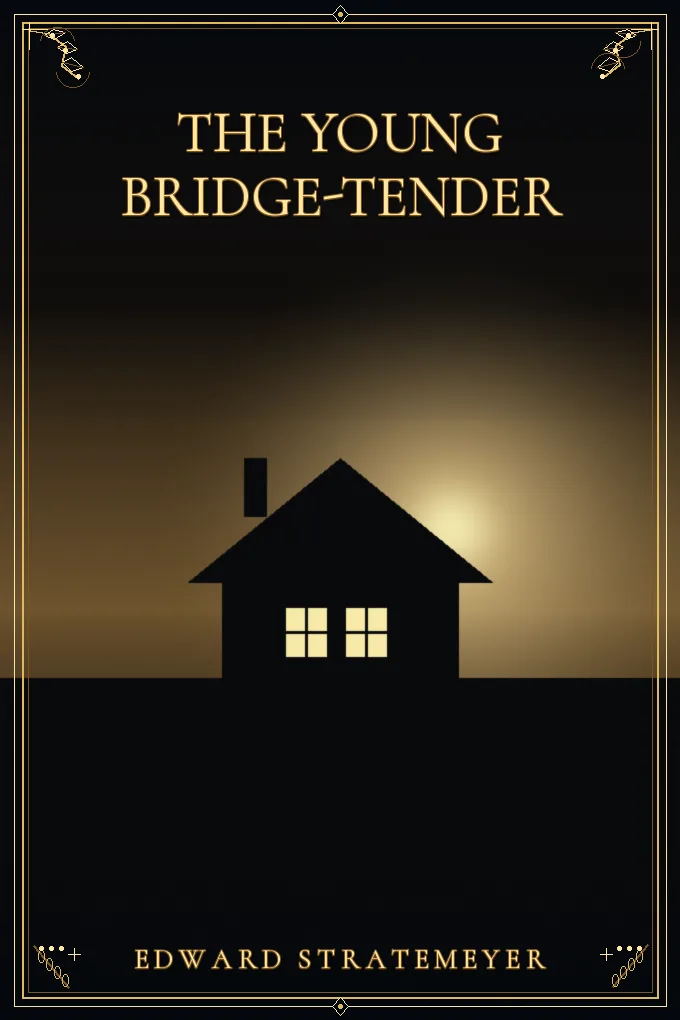
Cover illustration for The Young Bridge-Tender
Context Illustration Reading 1/22 · 5 lines
English subtitles · tap any word to listen 1 / 5
OUT ON BAIL.
"Did you get a look at the faces of the men and the boy you say you saw?" asked the postmaster, after a pause.

"No, sir.
I saw them, but it was too dark to distinguish faces."
"And you say each carried a handbag?"
0:00 / 0:00
Speed 0.75x
AI-generated narration by OpenAI · Slow US English
LEARNER DICTIONARY
Archivist
/ˈɑːrkɪvɪst/
Editorial verification pending

A keeper or guardian of historical records and memories.

The Young Bridge-Tender

Chapter XIX · Chapter 19

Chapter 19 of The Young Bridge-Tender is here in full — 112 sentences across 23 reading sections, with audio for every sentence and word.

Reading 1/22 · 5 reading units · Lines 1–5

Line 1
OUT ON BAIL.
/aʊt ɑːn beɪl/
Line 2
"Did you get a look at the faces of the men and the boy you say you saw?" asked the postmaster, after a pause.
/dɪd juː ɡet ə lʊk æt ðə ˈfeɪsəz ʌv ðə men ənd ðə bɔɪ juː seɪ juː sɔː æskt ðə ˈpoʊstmæstər ˈæftər ə pɔːz/
Line 3
"No, sir.
/noʊ sɜːr/
Line 4
I saw them, but it was too dark to distinguish faces."
/aɪ sɔː ðem bʌt ɪt wɑːz tuː dɑːrk tuː dɪˈstɪŋɡwɪʃ ˈfeɪsəz/
Line 5
"And you say each carried a handbag?"
/ənd juː seɪ iːtʃ ˈkærid ə ˈhændbæɡ/

Learner Dictionary

These definitions explain words found in the current reading and keep every example grounded in its original sentence.

Oxford-style entry order: headword, part of speech, US IPA, concise definition, contextual example, and audio.

bail verb US /beɪl/

release after a security has been paid

From this reading “OUT ON BAIL.”

carried verb US /ˈkærid/

inflected form of “carry” — move while supporting, either in a vehicle or in one's hands or on one's body

From this reading “"And you say each carried a handbag?"”

dark noun US /dɑːrk/

absence of light or illumination

From this reading “I saw them, but it was too dark to distinguish faces."”

distinguish verb US /dɪˈstɪŋɡwɪʃ/

mark as different

From this reading “I saw them, but it was too dark to distinguish faces."”

faces noun US /ˈfeɪsəz/

plural of “face” — the front of the human head from the forehead to the chin and ear to ear

From this reading “"Did you get a look at the faces of the men and the boy you say you saw?" asked the postmaster, after a pause.”

handbag noun US /ˈhændbæɡ/

a container used for carrying money and small personal items or accessories (especially by women)

From this reading “"And you say each carried a handbag?"”

pause noun US /pɔːz/

a time interval during which there is a temporary cessation of something

From this reading “"Did you get a look at the faces of the men and the boy you say you saw?" asked the postmaster, after a pause.”

postmaster noun US /ˈpoʊstmæstər/

the person in charge of a post office

From this reading “"Did you get a look at the faces of the men and the boy you say you saw?" asked the postmaster, after a pause.”

All words in this reading · 35

Every word in these five lines is listed here, and every one of them can be played on its own.

Dictionary details are shown only when verified; these are not licensed Oxford entries.

adeterminerUS /ə/

used before a singular noun to mean one of a group, when it is not a particular one

From this reading "Did you get a look at the faces of the men and the boy you say you saw?" asked the postmaster, after a pause.

afterprepositionUS /ˈæftər/

later than; following

From this reading "Did you get a look at the faces of the men and the boy you say you saw?" asked the postmaster, after a pause.

andconjunctionUS /ənd/

used to join words or parts of a sentence that go together

From this reading "Did you get a look at the faces of the men and the boy you say you saw?" asked the postmaster, after a pause.

askedverbUS /æskt/

past form of “ask” — make a request or demand for something to somebody

From this reading "Did you get a look at the faces of the men and the boy you say you saw?" asked the postmaster, after a pause.

atprepositionUS /æt/

in or near a particular place or position

From this reading "Did you get a look at the faces of the men and the boy you say you saw?" asked the postmaster, after a pause.

BAILverbUS /beɪl/

release after a security has been paid

From this reading OUT ON BAIL.

boynounUS /bɔɪ/

a youthful male person

From this reading "Did you get a look at the faces of the men and the boy you say you saw?" asked the postmaster, after a pause.

butconjunctionUS /bʌt/

used to introduce something that contrasts with what came before

From this reading I saw them, but it was too dark to distinguish faces."

carriedverbUS /ˈkærid/

inflected form of “carry” — move while supporting, either in a vehicle or in one's hands or on one's body

From this reading "And you say each carried a handbag?"

darknounUS /dɑːrk/

absence of light or illumination

From this reading I saw them, but it was too dark to distinguish faces."

Didauxiliary verbUS /dɪd/

the past form of “do”, used in questions and negatives

From this reading "Did you get a look at the faces of the men and the boy you say you saw?" asked the postmaster, after a pause.

distinguishverbUS /dɪˈstɪŋɡwɪʃ/

mark as different

From this reading I saw them, but it was too dark to distinguish faces."

eachdeterminerUS /iːtʃ/

every one of two or more people or things, taken separately

From this reading "And you say each carried a handbag?"

facesnounUS /ˈfeɪsəz/

plural of “face” — the front of the human head from the forehead to the chin and ear to ear

From this reading "Did you get a look at the faces of the men and the boy you say you saw?" asked the postmaster, after a pause.

getverbUS /ɡet/

come into the possession of something concrete or abstract

From this reading "Did you get a look at the faces of the men and the boy you say you saw?" asked the postmaster, after a pause.

handbagnounUS /ˈhændbæɡ/

a container used for carrying money and small personal items or accessories (especially by women)

From this reading "And you say each carried a handbag?"

IpronounUS /aɪ/

the person speaking or writing, as the subject of the verb

From this reading I saw them, but it was too dark to distinguish faces."

itpronounUS /ɪt/

a thing, animal, or idea already mentioned

From this reading I saw them, but it was too dark to distinguish faces."

lookverbUS /lʊk/

perceive with attention; direct one's gaze towards

From this reading "Did you get a look at the faces of the men and the boy you say you saw?" asked the postmaster, after a pause.

mennounUS /men/

the force of workers available

From this reading "Did you get a look at the faces of the men and the boy you say you saw?" asked the postmaster, after a pause.

NodeterminerUS /noʊ/

not any; not one

From this reading "No, sir.

ofprepositionUS /ʌv/

belonging to, or connected with, somebody or something

From this reading "Did you get a look at the faces of the men and the boy you say you saw?" asked the postmaster, after a pause.

ONprepositionUS /ɑːn/

touching and supported by a surface

From this reading OUT ON BAIL.

OUTadjectiveUS /aʊt/

not allowed to continue to bat or run

From this reading OUT ON BAIL.

pausenounUS /pɔːz/

a time interval during which there is a temporary cessation of something

From this reading "Did you get a look at the faces of the men and the boy you say you saw?" asked the postmaster, after a pause.

postmasternounUS /ˈpoʊstmæstər/

the person in charge of a post office

From this reading "Did you get a look at the faces of the men and the boy you say you saw?" asked the postmaster, after a pause.

sawverbUS /sɔː/

cut with a saw

From this reading "Did you get a look at the faces of the men and the boy you say you saw?" asked the postmaster, after a pause.

sayverbUS /seɪ/

express in words

From this reading "Did you get a look at the faces of the men and the boy you say you saw?" asked the postmaster, after a pause.

sirnounUS /sɜːr/

term of address for a man

From this reading "No, sir.

thedeterminerUS /ðə/

used before a noun that is already known, already mentioned, or the only one of its kind

From this reading "Did you get a look at the faces of the men and the boy you say you saw?" asked the postmaster, after a pause.

thempronounUS /ðem/

the people or things already mentioned, as the object

From this reading I saw them, but it was too dark to distinguish faces."

toparticleUS /tuː/

used before the base form of a verb to make the infinitive

From this reading I saw them, but it was too dark to distinguish faces."

tooadverbUS /tuː/

to a degree exceeding normal or proper limits

From this reading I saw them, but it was too dark to distinguish faces."

wasauxiliary verbUS /wɑːz/

the past form of “be” used with I, he, she, it, or a singular noun

From this reading I saw them, but it was too dark to distinguish faces."

youpronounUS /juː/

the person or people being spoken to

From this reading "Did you get a look at the faces of the men and the boy you say you saw?" asked the postmaster, after a pause.

Chapter 19 of The Young Bridge-Tender by Edward Stratemeyer holds 112 sentences, grouped into 23 reading sections of at most 5 sentences. The text is the source edition, unabridged, and the chapter records which sentences cover which part of the work so that nothing is dropped. Every word can be tapped for its pronunciation and dictionary entry.

What does chapter 19 of The Young Bridge-Tender contain?

Chapter 19 holds 112 sentences of The Young Bridge-Tender, unabridged, divided into 23 reading sections.

This page carries chapter 19 of The Young Bridge-Tender by Edward Stratemeyer exactly as it stands in the source edition, without abridgement. It runs to 112 sentences, grouped into 23 sections of at most 5 sentences so that a reader can take the chapter in steady, finishable pieces. The chapter also stores a coverage record mapping every one of its sentences to a part of the work, which is how the edition demonstrates that no line was dropped.

How do I study chapter 19 of The Young Bridge-Tender?

Work through the 23 sections in order, replaying any sentence and tapping unfamiliar words for their entries.

Each of the 23 sections in this chapter is short enough to read once, hear once, and then re-read with the vocabulary in view. Tapping a word plays it alone and opens its dictionary entry with IPA, part of speech and meaning, so the reader is never forced to guess a pronunciation from spelling. Working section by section keeps a long chapter from becoming an undifferentiated wall of text, which is the usual reason a reader abandons a work of this period.

Can chapter 19 be read aloud to me?

Yes — every sentence and every individual word in chapter 19 can be played aloud in United States English.

Audio covers the whole chapter: any sentence can be played, and any single word within it can be played on its own. The voice uses United States English. For a work of this period that matters, because spelling is an unreliable guide to pronunciation for vocabulary that has fallen out of daily use, and a learner who guesses wrong tends to keep the error. Hearing the word in its own sentence, and then alone, settles it.

Questions about reading The Young Bridge-Tender

Common questions about reading The Young Bridge-Tender by Edward Stratemeyer on this page, its source edition and its audio.

Is this the complete text of The Young Bridge-Tender?

Yes. All 4435 sentences of Project Gutenberg eBook #21344 are kept, with a record of which sentences cover which part.

Which edition of The Young Bridge-Tender is used?

Project Gutenberg eBook #21344, unabridged. The Project Gutenberg header, footer and licence are removed.

How long does The Young Bridge-Tender take to read?

About 369 minutes of reading across 887 sections of 5 sentences each, at an unhurried pace.

How to read The Young Bridge-Tender section by section

How to work through The Young Bridge-Tender section by section, using the audio and the tap-to-define vocabulary.

  1. Open a chapter

    Choose one of the 39 chapters of The Young Bridge-Tender to begin.

  2. Read one section

    Each section holds 5 sentences; read it once through.

  3. Listen and tap

    Play the section aloud, then tap any unfamiliar word for its entry.

Vocabulary met early in The Young Bridge-Tender

Words and structures a reader meets early in The Young Bridge-Tender, each tappable for pronunciation and meaning.

Smash
A word that appears in the opening chapter of The Young Bridge-Tender; the reader can tap it to hear it and see its dictionary entry.
Bridge
A word that appears in the opening chapter of The Young Bridge-Tender; the reader can tap it to hear it and see its dictionary entry.
During
A word that appears in the opening chapter of The Young Bridge-Tender; the reader can tap it to hear it and see its dictionary entry.
Conversation
A word that appears in the opening chapter of The Young Bridge-Tender; the reader can tap it to hear it and see its dictionary entry.