1812
Dictionary entry pending editorial verification. Tap Listen to hear the word.
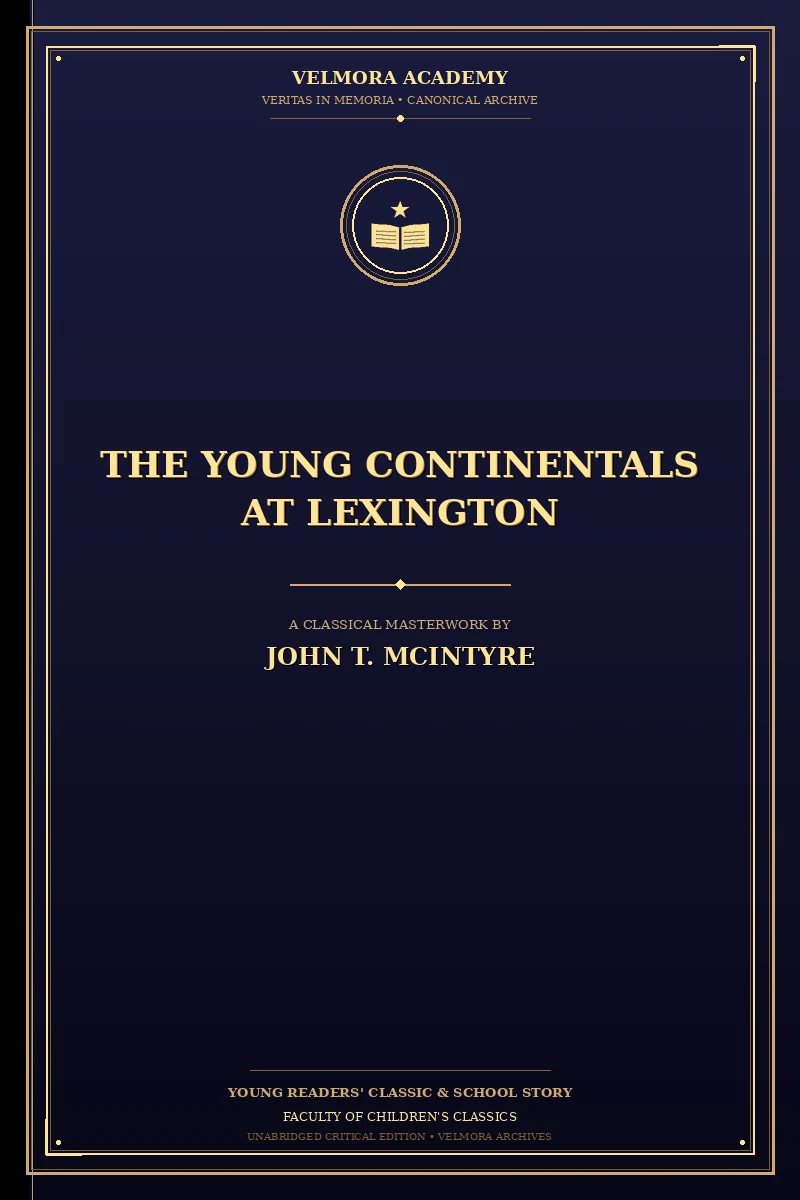
From this reading _by_ John T. M^cIntyre _Author of_ “With John Paul Jones” “The Boy Tars of 1812” Illustrated by Ralph L. Boyer.
used before a singular noun to mean one of a group, when it is not a particular one
From this reading The port of Boston was closed; an army under Gage occupied the city; Massachusetts Bay was thronged with troop-ships and frigates, and the colonies were writhing under a series of unjust and oppressive laws.
(of actions or states) slightly short of or not quite accomplished; all but
From this reading Historical events that led up to the war for independence are met with in every chapter; the great personages of the time figure upon almost every page.
the form of “a” used before a word that begins with a vowel sound
From this reading The port of Boston was closed; an army under Gage occupied the city; Massachusetts Bay was thronged with troop-ships and frigates, and the colonies were writhing under a series of unjust and oppressive laws.
used to join words or parts of a sentence that go together
From this reading The port of Boston was closed; an army under Gage occupied the city; Massachusetts Bay was thronged with troop-ships and frigates, and the colonies were writhing under a series of unjust and oppressive laws.
areauxiliary verbUS /ɑːr/
the form of “be” used with you, we, they, or a plural noun
From this reading Historical events that led up to the war for independence are met with in every chapter; the great personages of the time figure upon almost every page.
a permanent organization of the military land forces of a nation or state
From this reading The port of Boston was closed; an army under Gage occupied the city; Massachusetts Bay was thronged with troop-ships and frigates, and the colonies were writhing under a series of unjust and oppressive laws.
in or near a particular place or position
From this reading _The Penn Publishing Company Philadelphia_ _MCMIX_ “THE YOUNG CONTINENTALS AT LEXINGTON” begins with that vital period of our country’s history when the great forces that made the Revolution were slowly coming together.
writes (books or stories or articles or the like) professionally (for pay)
From this reading _by_ John T. M^cIntyre _Author of_ “With John Paul Jones” “The Boy Tars of 1812” Illustrated by Ralph L. Boyer.
an indentation of a shoreline larger than a cove but smaller than a gulf
From this reading The port of Boston was closed; an army under Gage occupied the city; Massachusetts Bay was thronged with troop-ships and frigates, and the colonies were writhing under a series of unjust and oppressive laws.
inflected form of “begin” — take the first step or steps in carrying out an action
From this reading It was at this time that the four boys who play the leading parts in the story began their experiences.
beginsnounUS /bɪˈɡɪnz/
plural of “begin” — Israeli statesman (born in Russia) who (as prime minister of Israel) negotiated a peace treaty with Anwar Sadat (then the president of Egypt) (1913-1992)
From this reading _The Penn Publishing Company Philadelphia_ _MCMIX_ “THE YOUNG CONTINENTALS AT LEXINGTON” begins with that vital period of our country’s history when the great forces that made the Revolution were slowly coming together.
state capital and largest city of Massachusetts; a major center for banking and financial services
From this reading The port of Boston was closed; an army under Gage occupied the city; Massachusetts Bay was thronged with troop-ships and frigates, and the colonies were writhing under a series of unjust and oppressive laws.
a youthful male person
From this reading _by_ John T. M^cIntyre _Author of_ “With John Paul Jones” “The Boy Tars of 1812” Illustrated by Ralph L. Boyer.
Boyer
Dictionary entry pending editorial verification. Tap Listen to hear the word.
From this reading _by_ John T. M^cIntyre _Author of_ “With John Paul Jones” “The Boy Tars of 1812” Illustrated by Ralph L. Boyer.
plural of “boy” — a youthful male person
From this reading It was at this time that the four boys who play the leading parts in the story began their experiences.
showing who or what does the action
From this reading _by_ John T. M^cIntyre _Author of_ “With John Paul Jones” “The Boy Tars of 1812” Illustrated by Ralph L. Boyer.
a subdivision of a written work; usually numbered and titled
From this reading Historical events that led up to the war for independence are met with in every chapter; the great personages of the time figure upon almost every page.
cIntyre
Dictionary entry pending editorial verification. Tap Listen to hear the word.
From this reading _by_ John T. M^cIntyre _Author of_ “With John Paul Jones” “The Boy Tars of 1812” Illustrated by Ralph L. Boyer.
a large and densely populated urban area; may include several independent administrative districts
From this reading The port of Boston was closed; an army under Gage occupied the city; Massachusetts Bay was thronged with troop-ships and frigates, and the colonies were writhing under a series of unjust and oppressive laws.
not open or affording passage or access
From this reading The port of Boston was closed; an army under Gage occupied the city; Massachusetts Bay was thronged with troop-ships and frigates, and the colonies were writhing under a series of unjust and oppressive laws.
coloniesnounUS /ˈkɑːləniz/
plural of “colony” — a body of people who settle far from home but maintain ties with their homeland; inhabitants remain nationals of their home state but are not literally under the home state's system of government
From this reading The port of Boston was closed; an army under Gage occupied the city; Massachusetts Bay was thronged with troop-ships and frigates, and the colonies were writhing under a series of unjust and oppressive laws.
the act of drawing spatially closer to something
From this reading _The Penn Publishing Company Philadelphia_ _MCMIX_ “THE YOUNG CONTINENTALS AT LEXINGTON” begins with that vital period of our country’s history when the great forces that made the Revolution were slowly coming together.
an institution created to conduct business
From this reading _The Penn Publishing Company Philadelphia_ _MCMIX_ “THE YOUNG CONTINENTALS AT LEXINGTON” begins with that vital period of our country’s history when the great forces that made the Revolution were slowly coming together.
CONTINENTALS
Dictionary entry pending editorial verification. Tap Listen to hear the word.
From this reading _The Penn Publishing Company Philadelphia_ _MCMIX_ “THE YOUNG CONTINENTALS AT LEXINGTON” begins with that vital period of our country’s history when the great forces that made the Revolution were slowly coming together.
country'snounUS /ˈkʌntriz/
possessive form of “country” — a politically organized body of people under a single government
From this reading _The Penn Publishing Company Philadelphia_ _MCMIX_ “THE YOUNG CONTINENTALS AT LEXINGTON” begins with that vital period of our country’s history when the great forces that made the Revolution were slowly coming together.
plural of “event” — something that happens at a given place and time
From this reading Historical events that led up to the war for independence are met with in every chapter; the great personages of the time figure upon almost every page.
everydeterminerUS /ˈevəri/
all the members of a group, with none left out
From this reading Historical events that led up to the war for independence are met with in every chapter; the great personages of the time figure upon almost every page.
experiencesnounUS /ɪkˈspɪriənsɪz/
plural of “experience” — the accumulation of knowledge or skill that results from direct participation in events or activities
From this reading It was at this time that the four boys who play the leading parts in the story began their experiences.
a diagram or picture illustrating textual material
From this reading Historical events that led up to the war for independence are met with in every chapter; the great personages of the time figure upon almost every page.
intended to be given to, or used by, somebody
From this reading Historical events that led up to the war for independence are met with in every chapter; the great personages of the time figure upon almost every page.
plural of “force” — a powerful effect or influence
From this reading _The Penn Publishing Company Philadelphia_ _MCMIX_ “THE YOUNG CONTINENTALS AT LEXINGTON” begins with that vital period of our country’s history when the great forces that made the Revolution were slowly coming together.
the cardinal number that is the sum of three and one
From this reading It was at this time that the four boys who play the leading parts in the story began their experiences.
frigatesnounUS /ˈfrɪɡəts/
plural of “frigate” — a medium size square-rigged warship of the 18th and 19th centuries
From this reading The port of Boston was closed; an army under Gage occupied the city; Massachusetts Bay was thronged with troop-ships and frigates, and the colonies were writhing under a series of unjust and oppressive laws.
GagenounUS /ɡeɪdʒ/
street names for marijuana
From this reading The port of Boston was closed; an army under Gage occupied the city; Massachusetts Bay was thronged with troop-ships and frigates, and the colonies were writhing under a series of unjust and oppressive laws.
relatively large in size or number or extent; larger than others of its kind
From this reading _The Penn Publishing Company Philadelphia_ _MCMIX_ “THE YOUNG CONTINENTALS AT LEXINGTON” begins with that vital period of our country’s history when the great forces that made the Revolution were slowly coming together.
HistoricaladjectiveUS /hɪˈstɔːrɪkəl/
of or relating to the study of history
From this reading Historical events that led up to the war for independence are met with in every chapter; the great personages of the time figure upon almost every page.
the aggregate of past events
From this reading _The Penn Publishing Company Philadelphia_ _MCMIX_ “THE YOUNG CONTINENTALS AT LEXINGTON” begins with that vital period of our country’s history when the great forces that made the Revolution were slowly coming together.
IllustratedverbUS /ˈɪləstreɪtəd/
past form of “illustrate” — clarify by giving an example of
From this reading _by_ John T. M^cIntyre _Author of_ “With John Paul Jones” “The Boy Tars of 1812” Illustrated by Ralph L. Boyer.
inside something, or within a place, period, or state
From this reading It was at this time that the four boys who play the leading parts in the story began their experiences.
independencenounUS /ˌɪndɪˈpendəns/
freedom from control or influence of another or others
From this reading Historical events that led up to the war for independence are met with in every chapter; the great personages of the time figure upon almost every page.
a thing, animal, or idea already mentioned
From this reading It was at this time that the four boys who play the leading parts in the story began their experiences.
a room or building equipped with one or more toilets
From this reading _by_ John T. M^cIntyre _Author of_ “With John Paul Jones” “The Boy Tars of 1812” Illustrated by Ralph L. Boyer.
United States labor leader (born in Ireland) who helped to found the Industrial Workers of the World (1830-1930)
From this reading _by_ John T. M^cIntyre _Author of_ “With John Paul Jones” “The Boy Tars of 1812” Illustrated by Ralph L. Boyer.
a metric unit of capacity, formerly defined as the volume of one kilogram of pure water under standard conditions; now equal to 1,000 cubic centimeters (or approximately 1.75 pints)
From this reading _by_ John T. M^cIntyre _Author of_ “With John Paul Jones” “The Boy Tars of 1812” Illustrated by Ralph L. Boyer.
the first of three divisions of the Hebrew Scriptures comprising the first five books of the Hebrew Bible considered as a unit
From this reading The port of Boston was closed; an army under Gage occupied the city; Massachusetts Bay was thronged with troop-ships and frigates, and the colonies were writhing under a series of unjust and oppressive laws.
indicating the most important performer or role
From this reading It was at this time that the four boys who play the leading parts in the story began their experiences.
diode such that light emitted at a p-n junction is proportional to the bias current; color depends on the material used
From this reading Historical events that led up to the war for independence are met with in every chapter; the great personages of the time figure upon almost every page.
LEXINGTONnounUS /ˈleksɪŋtən/
town in eastern Massachusetts near Boston where the first battle of the American Revolution was fought
From this reading _The Penn Publishing Company Philadelphia_ _MCMIX_ “THE YOUNG CONTINENTALS AT LEXINGTON” begins with that vital period of our country’s history when the great forces that made the Revolution were slowly coming together.
the basic unit of length adopted under the Systeme International d'Unites (approximately 1.094 yards)
From this reading _by_ John T. M^cIntyre _Author of_ “With John Paul Jones” “The Boy Tars of 1812” Illustrated by Ralph L. Boyer.
produced by a manufacturing process
From this reading _The Penn Publishing Company Philadelphia_ _MCMIX_ “THE YOUNG CONTINENTALS AT LEXINGTON” begins with that vital period of our country’s history when the great forces that made the Revolution were slowly coming together.
MassachusettsnounUS /ˌmæsəˈtʃuːsəts/
a state in New England; one of the original 13 colonies
From this reading The port of Boston was closed; an army under Gage occupied the city; Massachusetts Bay was thronged with troop-ships and frigates, and the colonies were writhing under a series of unjust and oppressive laws.
MCMIX
Dictionary entry pending editorial verification. Tap Listen to hear the word.
From this reading _The Penn Publishing Company Philadelphia_ _MCMIX_ “THE YOUNG CONTINENTALS AT LEXINGTON” begins with that vital period of our country’s history when the great forces that made the Revolution were slowly coming together.
inflected form of “meet” — come together
From this reading Historical events that led up to the war for independence are met with in every chapter; the great personages of the time figure upon almost every page.
held or filled or in use
From this reading The port of Boston was closed; an army under Gage occupied the city; Massachusetts Bay was thronged with troop-ships and frigates, and the colonies were writhing under a series of unjust and oppressive laws.
belonging to, or connected with, somebody or something
From this reading _by_ John T. M^cIntyre _Author of_ “With John Paul Jones” “The Boy Tars of 1812” Illustrated by Ralph L. Boyer.
oppressiveadjectiveUS /əˈpresɪv/
weighing heavily on the senses or spirit
From this reading The port of Boston was closed; an army under Gage occupied the city; Massachusetts Bay was thronged with troop-ships and frigates, and the colonies were writhing under a series of unjust and oppressive laws.
belonging to the speaker and others
From this reading _The Penn Publishing Company Philadelphia_ _MCMIX_ “THE YOUNG CONTINENTALS AT LEXINGTON” begins with that vital period of our country’s history when the great forces that made the Revolution were slowly coming together.
one side of one leaf (of a book or magazine or newspaper or letter etc.) or the written or pictorial matter it contains
From this reading Historical events that led up to the war for independence are met with in every chapter; the great personages of the time figure upon almost every page.
the local environment
From this reading It was at this time that the four boys who play the leading parts in the story began their experiences.
United States feminist (1885-1977)
From this reading _by_ John T. M^cIntyre _Author of_ “With John Paul Jones” “The Boy Tars of 1812” Illustrated by Ralph L. Boyer.
PennnounUS /pen/
Englishman and Quaker who founded the colony of Pennsylvania (1644-1718)
From this reading _The Penn Publishing Company Philadelphia_ _MCMIX_ “THE YOUNG CONTINENTALS AT LEXINGTON” begins with that vital period of our country’s history when the great forces that made the Revolution were slowly coming together.
an amount of time
From this reading _The Penn Publishing Company Philadelphia_ _MCMIX_ “THE YOUNG CONTINENTALS AT LEXINGTON” begins with that vital period of our country’s history when the great forces that made the Revolution were slowly coming together.
personages
Dictionary entry pending editorial verification. Tap Listen to hear the word.
From this reading Historical events that led up to the war for independence are met with in every chapter; the great personages of the time figure upon almost every page.
PhiladelphianounUS /ˌfɪləˈdelfiə/
the largest city in Pennsylvania; located in the southeastern part of the state on the Delaware river; site of Independence Hall where the Declaration of Independence and the Constitution were signed; site of the University of Pennsylvania
From this reading _The Penn Publishing Company Philadelphia_ _MCMIX_ “THE YOUNG CONTINENTALS AT LEXINGTON” begins with that vital period of our country’s history when the great forces that made the Revolution were slowly coming together.
participate in games or sport
From this reading It was at this time that the four boys who play the leading parts in the story began their experiences.
a place (seaport or airport) where people and merchandise can enter or leave a country
From this reading The port of Boston was closed; an army under Gage occupied the city; Massachusetts Bay was thronged with troop-ships and frigates, and the colonies were writhing under a series of unjust and oppressive laws.
PublishingnounUS /ˈpʌblɪʃɪŋ/
the business of issuing printed matter for sale or distribution
From this reading _The Penn Publishing Company Philadelphia_ _MCMIX_ “THE YOUNG CONTINENTALS AT LEXINGTON” begins with that vital period of our country’s history when the great forces that made the Revolution were slowly coming together.
Ralph
Dictionary entry pending editorial verification. Tap Listen to hear the word.
From this reading _by_ John T. M^cIntyre _Author of_ “With John Paul Jones” “The Boy Tars of 1812” Illustrated by Ralph L. Boyer.
RevolutionnounUS /ˌrevəˈluːʃən/
a drastic and far-reaching change in ways of thinking and behaving
From this reading _The Penn Publishing Company Philadelphia_ _MCMIX_ “THE YOUNG CONTINENTALS AT LEXINGTON” begins with that vital period of our country’s history when the great forces that made the Revolution were slowly coming together.
similar things placed in order or happening one after another
From this reading The port of Boston was closed; an army under Gage occupied the city; Massachusetts Bay was thronged with troop-ships and frigates, and the colonies were writhing under a series of unjust and oppressive laws.
without speed (“slow” is sometimes used informally for “slowly”)
From this reading _The Penn Publishing Company Philadelphia_ _MCMIX_ “THE YOUNG CONTINENTALS AT LEXINGTON” begins with that vital period of our country’s history when the great forces that made the Revolution were slowly coming together.
a message that tells the particulars of an act or occurrence or course of events; presented in writing or drama or cinema or as a radio or television program
From this reading It was at this time that the four boys who play the leading parts in the story began their experiences.
a base found in DNA (but not in RNA) and derived from pyrimidine; pairs with adenine
From this reading _by_ John T. M^cIntyre _Author of_ “With John Paul Jones” “The Boy Tars of 1812” Illustrated by Ralph L. Boyer.
Tars
Dictionary entry pending editorial verification. Tap Listen to hear the word.
From this reading _by_ John T. M^cIntyre _Author of_ “With John Paul Jones” “The Boy Tars of 1812” Illustrated by Ralph L. Boyer.
used to introduce what somebody said, thought, or felt
From this reading _The Penn Publishing Company Philadelphia_ _MCMIX_ “THE YOUNG CONTINENTALS AT LEXINGTON” begins with that vital period of our country’s history when the great forces that made the Revolution were slowly coming together.
used before a noun that is already known, already mentioned, or the only one of its kind
From this reading _by_ John T. M^cIntyre _Author of_ “With John Paul Jones” “The Boy Tars of 1812” Illustrated by Ralph L. Boyer.
belonging to the people or things already mentioned
From this reading It was at this time that the four boys who play the leading parts in the story began their experiences.
used for a person or thing that is near, or that has just been mentioned
From this reading It was at this time that the four boys who play the leading parts in the story began their experiences.
throngedadjectiveUS /θrɔːŋd/
filled with great numbers crowded together
From this reading The port of Boston was closed; an army under Gage occupied the city; Massachusetts Bay was thronged with troop-ships and frigates, and the colonies were writhing under a series of unjust and oppressive laws.
an instance or single occasion for some event
From this reading It was at this time that the four boys who play the leading parts in the story began their experiences.
used before the base form of a verb to make the infinitive
From this reading Historical events that led up to the war for independence are met with in every chapter; the great personages of the time figure upon almost every page.
in contact with each other or in proximity
From this reading _The Penn Publishing Company Philadelphia_ _MCMIX_ “THE YOUNG CONTINENTALS AT LEXINGTON” begins with that vital period of our country’s history when the great forces that made the Revolution were slowly coming together.
troop-ships
Dictionary entry pending editorial verification. Tap Listen to hear the word.
From this reading The port of Boston was closed; an army under Gage occupied the city; Massachusetts Bay was thronged with troop-ships and frigates, and the colonies were writhing under a series of unjust and oppressive laws.
underprepositionUS /ˈʌndər/
below or beneath something; less than
From this reading The port of Boston was closed; an army under Gage occupied the city; Massachusetts Bay was thronged with troop-ships and frigates, and the colonies were writhing under a series of unjust and oppressive laws.
unjustadjectiveUS /ənˈdʒʌst/
not fair; marked by injustice or partiality or deception
From this reading The port of Boston was closed; an army under Gage occupied the city; Massachusetts Bay was thronged with troop-ships and frigates, and the colonies were writhing under a series of unjust and oppressive laws.
being or moving higher in position or greater in some value; being above a former position or level
From this reading Historical events that led up to the war for independence are met with in every chapter; the great personages of the time figure upon almost every page.
uponprepositionUS /əˈpɑːn/
a formal word for “on”
From this reading Historical events that led up to the war for independence are met with in every chapter; the great personages of the time figure upon almost every page.
vitaladjectiveUS /ˈvaɪtəl/
urgently needed; absolutely necessary
From this reading _The Penn Publishing Company Philadelphia_ _MCMIX_ “THE YOUNG CONTINENTALS AT LEXINGTON” begins with that vital period of our country’s history when the great forces that made the Revolution were slowly coming together.
the waging of armed conflict against an enemy
From this reading Historical events that led up to the war for independence are met with in every chapter; the great personages of the time figure upon almost every page.
wasauxiliary verbUS /wɑːz/
the past form of “be” used with I, he, she, it, or a singular noun
From this reading The port of Boston was closed; an army under Gage occupied the city; Massachusetts Bay was thronged with troop-ships and frigates, and the colonies were writhing under a series of unjust and oppressive laws.
wereauxiliary verbUS /wɜːr/
the past form of “be” used with you, we, they, or a plural noun
From this reading _The Penn Publishing Company Philadelphia_ _MCMIX_ “THE YOUNG CONTINENTALS AT LEXINGTON” begins with that vital period of our country’s history when the great forces that made the Revolution were slowly coming together.
at the time that
From this reading _The Penn Publishing Company Philadelphia_ _MCMIX_ “THE YOUNG CONTINENTALS AT LEXINGTON” begins with that vital period of our country’s history when the great forces that made the Revolution were slowly coming together.
which person or people
From this reading It was at this time that the four boys who play the leading parts in the story began their experiences.
in the company of; together with
From this reading _by_ John T. M^cIntyre _Author of_ “With John Paul Jones” “The Boy Tars of 1812” Illustrated by Ralph L. Boyer.
writhingadjectiveUS /ˈraɪðɪŋ/
moving in a twisting or snake-like or wormlike fashion
From this reading The port of Boston was closed; an army under Gage occupied the city; Massachusetts Bay was thronged with troop-ships and frigates, and the colonies were writhing under a series of unjust and oppressive laws.
(used of living things especially persons) in an early period of life or development or growth
From this reading _The Penn Publishing Company Philadelphia_ _MCMIX_ “THE YOUNG CONTINENTALS AT LEXINGTON” begins with that vital period of our country’s history when the great forces that made the Revolution were slowly coming together.