Learn English through classic literature • Five-line readings • Clear US narration
VELMORA ACADEMY
Academy of Archival Languages & Memory Studies
Menu Close
The Young Firemen of Lakeville

Chapter XVI · Chapter 16

Chapter 16 of The Young Firemen of Lakeville is here in full — 108 sentences across 22 reading sections, with audio for every sentence and word.

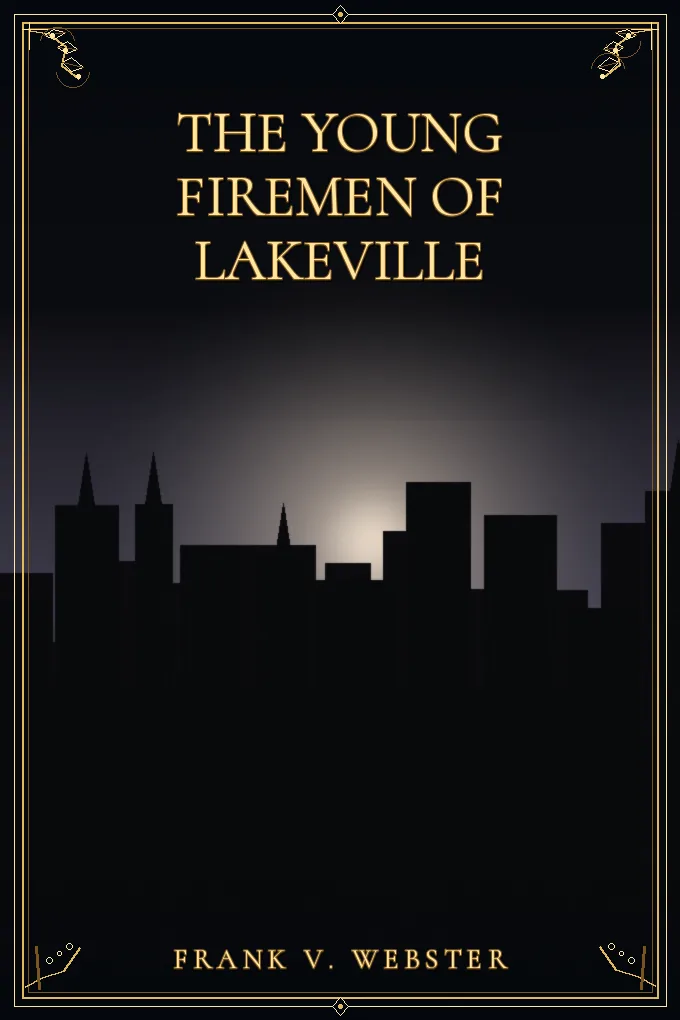
Cover illustration for The Young Firemen of Lakeville
Context Illustration Reading 1/21 · 5 lines
English subtitles · tap any word to listen 1 / 5
THE ENGINES ARRIVE There was instant excitement in the hall.
Everyone seemed to be talking at once.
The boys of the town were standing together, cheering for Herbert.
Mayor Appelby was vainly rapping for order.
At last Mr. Sagger made his voice heard above the others.
0:00 / 0:00
Speed 0.75x
AI-generated narration by OpenAI · Slow US English
LEARNER DICTIONARY
Archivist
/ˈɑːrkɪvɪst/
Editorial verification pending

A keeper or guardian of historical records and memories.

The Young Firemen of Lakeville

Chapter XVI · Chapter 16

Chapter 16 of The Young Firemen of Lakeville is here in full — 108 sentences across 22 reading sections, with audio for every sentence and word.

Reading 1/21 · 5 reading units · Lines 1–5

Line 1
THE ENGINES ARRIVE There was instant excitement in the hall.
/ðə ˈendʒənz ərˈaɪv ðer wɑːz ˈɪnstənt ɪkˈsaɪtmənt ɪn ðə hɔːl/
Line 2
Everyone seemed to be talking at once.
/ˈevriwʌn siːmd tuː biː ˈtɔːkɪŋ æt wʌns/
Line 3
The boys of the town were standing together, cheering for Herbert.
/ðə bɔɪz ʌv ðə taʊn wɜːr ˈstændɪŋ təˈɡeðər ˈtʃɪrɪŋ fɔːr ˈhɜːrbərt/
Line 4
Mayor Appelby was vainly rapping for order.
Line 5
At last Mr. Sagger made his voice heard above the others.

Learner Dictionary

These definitions explain words found in the current reading and keep every example grounded in its original sentence.

Oxford-style entry order: headword, part of speech, US IPA, concise definition, contextual example, and audio.

arrive verb US /ərˈaɪv/

reach a destination; arrive by movement or progress

From this reading “THE ENGINES ARRIVE There was instant excitement in the hall.”

cheering noun US /ˈtʃɪrɪŋ/

encouragement in the form of cheers from spectators

From this reading “The boys of the town were standing together, cheering for Herbert.”

engines noun US /ˈendʒənz/

plural of “engine” — motor that converts thermal energy to mechanical work

From this reading “THE ENGINES ARRIVE There was instant excitement in the hall.”

Everyone pronoun US /ˈevriwʌn/

every person

From this reading “Everyone seemed to be talking at once.”

Herbert noun US /ˈhɜːrbərt/

United States musician and composer and conductor noted for his comic operas (1859-1924)

From this reading “The boys of the town were standing together, cheering for Herbert.”

Mayor noun US /ˈmeɪər/

the head of a city government

From this reading “Mayor Appelby was vainly rapping for order.”

rapping verb US /ˈræpɪŋ/

inflected form of “rap” — strike sharply

From this reading “Mayor Appelby was vainly rapping for order.”

vainly adverb US /ˈveɪnli/

to no avail

From this reading “Mayor Appelby was vainly rapping for order.”

All words in this reading · 39

Every word in these five lines is listed here, and every one of them can be played on its own.

Dictionary details are shown only when verified; these are not licensed Oxford entries.

aboveprepositionUS /əˈbʌv/

higher than, or over, something

From this reading At last Mr. Sagger made his voice heard above the others.

Appelby

Dictionary entry pending editorial verification. Tap Listen to hear the word.

From this reading Mayor Appelby was vainly rapping for order.

ARRIVEverbUS /ərˈaɪv/

reach a destination; arrive by movement or progress

From this reading THE ENGINES ARRIVE There was instant excitement in the hall.

atprepositionUS /æt/

in or near a particular place or position

From this reading Everyone seemed to be talking at once.

beauxiliary verbUS /biː/

used with a past participle to form the passive, or with -ing for continuous tenses

From this reading Everyone seemed to be talking at once.

boysnounUS /bɔɪz/

plural of “boy” — a youthful male person

From this reading The boys of the town were standing together, cheering for Herbert.

cheeringnounUS /ˈtʃɪrɪŋ/

encouragement in the form of cheers from spectators

From this reading The boys of the town were standing together, cheering for Herbert.

ENGINESnounUS /ˈendʒənz/

plural of “engine” — motor that converts thermal energy to mechanical work

From this reading THE ENGINES ARRIVE There was instant excitement in the hall.

EveryonepronounUS /ˈevriwʌn/

every person

From this reading Everyone seemed to be talking at once.

excitementnounUS /ɪkˈsaɪtmənt/

the feeling of lively and cheerful joy

From this reading THE ENGINES ARRIVE There was instant excitement in the hall.

forprepositionUS /fɔːr/

intended to be given to, or used by, somebody

From this reading The boys of the town were standing together, cheering for Herbert.

hallnounUS /hɔːl/

an interior passage or corridor onto which rooms open

From this reading THE ENGINES ARRIVE There was instant excitement in the hall.

heardadjectiveUS /hɜːrd/

detected or perceived by the sense of hearing

From this reading At last Mr. Sagger made his voice heard above the others.

HerbertnounUS /ˈhɜːrbərt/

United States musician and composer and conductor noted for his comic operas (1859-1924)

From this reading The boys of the town were standing together, cheering for Herbert.

hisdeterminerUS /hɪz/

belonging to a man, boy, or male animal already mentioned

From this reading At last Mr. Sagger made his voice heard above the others.

inprepositionUS /ɪn/

inside something, or within a place, period, or state

From this reading THE ENGINES ARRIVE There was instant excitement in the hall.

instantnounUS /ˈɪnstənt/

a very short time (as the time it takes the eye to blink or the heart to beat)

From this reading THE ENGINES ARRIVE There was instant excitement in the hall.

lastadjectiveUS /læst/

immediately past

From this reading At last Mr. Sagger made his voice heard above the others.

madeadjectiveUS /meɪd/

produced by a manufacturing process

From this reading At last Mr. Sagger made his voice heard above the others.

MayornounUS /ˈmeɪər/

the head of a city government

From this reading Mayor Appelby was vainly rapping for order.

MrnounUS /ˈmɪstər/

a form of address for a man

From this reading At last Mr. Sagger made his voice heard above the others.

ofprepositionUS /ʌv/

belonging to, or connected with, somebody or something

From this reading The boys of the town were standing together, cheering for Herbert.

onceadverbUS /wʌns/

on one occasion

From this reading Everyone seemed to be talking at once.

ordernounUS /ˈɔːrdər/

(often plural) a command given by a superior (e.g., a military or law enforcement officer) that must be obeyed

From this reading Mayor Appelby was vainly rapping for order.

others

Dictionary entry pending editorial verification. Tap Listen to hear the word.

From this reading At last Mr. Sagger made his voice heard above the others.

rappingverbUS /ˈræpɪŋ/

inflected form of “rap” — strike sharply

From this reading Mayor Appelby was vainly rapping for order.

Sagger

Dictionary entry pending editorial verification. Tap Listen to hear the word.

From this reading At last Mr. Sagger made his voice heard above the others.

seemedverbUS /siːmd/

past form of “seem” — give a certain impression or have a certain outward aspect

From this reading Everyone seemed to be talking at once.

standingadjectiveUS /ˈstændɪŋ/

having a supporting base

From this reading The boys of the town were standing together, cheering for Herbert.

talkingnounUS /ˈtɔːkɪŋ/

an exchange of ideas via conversation

From this reading Everyone seemed to be talking at once.

THEdeterminerUS /ðə/

used before a noun that is already known, already mentioned, or the only one of its kind

From this reading THE ENGINES ARRIVE There was instant excitement in the hall.

ThereadverbUS /ðer/

in or at that place or location

From this reading THE ENGINES ARRIVE There was instant excitement in the hall.

toparticleUS /tuː/

used before the base form of a verb to make the infinitive

From this reading Everyone seemed to be talking at once.

togetheradverbUS /təˈɡeðər/

in contact with each other or in proximity

From this reading The boys of the town were standing together, cheering for Herbert.

townnounUS /taʊn/

an urban area with a fixed boundary that is smaller than a city

From this reading The boys of the town were standing together, cheering for Herbert.

vainlyadverbUS /ˈveɪnli/

to no avail

From this reading Mayor Appelby was vainly rapping for order.

voicenounUS /vɔɪs/

the distinctive quality or pitch or condition of a person's speech

From this reading At last Mr. Sagger made his voice heard above the others.

wasauxiliary verbUS /wɑːz/

the past form of “be” used with I, he, she, it, or a singular noun

From this reading THE ENGINES ARRIVE There was instant excitement in the hall.

wereauxiliary verbUS /wɜːr/

the past form of “be” used with you, we, they, or a plural noun

From this reading The boys of the town were standing together, cheering for Herbert.

Chapter 16 of The Young Firemen of Lakeville by Frank V. Webster holds 108 sentences, grouped into 22 reading sections of at most 5 sentences. The text is the source edition, unabridged, and the chapter records which sentences cover which part of the work so that nothing is dropped. Every word can be tapped for its pronunciation and dictionary entry.

What does chapter 16 of The Young Firemen of Lakeville contain?

Chapter 16 holds 108 sentences of The Young Firemen of Lakeville, unabridged, divided into 22 reading sections.

This page carries chapter 16 of The Young Firemen of Lakeville by Frank V. Webster exactly as it stands in the source edition, without abridgement. It runs to 108 sentences, grouped into 22 sections of at most 5 sentences so that a reader can take the chapter in steady, finishable pieces. The chapter also stores a coverage record mapping every one of its sentences to a part of the work, which is how the edition demonstrates that no line was dropped.

How do I study chapter 16 of The Young Firemen of Lakeville?

Work through the 22 sections in order, replaying any sentence and tapping unfamiliar words for their entries.

Each of the 22 sections in this chapter is short enough to read once, hear once, and then re-read with the vocabulary in view. Tapping a word plays it alone and opens its dictionary entry with IPA, part of speech and meaning, so the reader is never forced to guess a pronunciation from spelling. Working section by section keeps a long chapter from becoming an undifferentiated wall of text, which is the usual reason a reader abandons a work of this period.

Can chapter 16 be read aloud to me?

Yes — every sentence and every individual word in chapter 16 can be played aloud in United States English.

Audio covers the whole chapter: any sentence can be played, and any single word within it can be played on its own. The voice uses United States English. For a work of this period that matters, because spelling is an unreliable guide to pronunciation for vocabulary that has fallen out of daily use, and a learner who guesses wrong tends to keep the error. Hearing the word in its own sentence, and then alone, settles it.

Questions about reading The Young Firemen of Lakeville

Common questions about reading The Young Firemen of Lakeville by Frank V. Webster on this page, its source edition and its audio.

Is this the complete text of The Young Firemen of Lakeville?

Yes. All 2993 sentences of Project Gutenberg eBook #6114 are kept, with a record of which sentences cover which part.

Which edition of The Young Firemen of Lakeville is used?

Project Gutenberg eBook #6114, unabridged. The Project Gutenberg header, footer and licence are removed.

How long does The Young Firemen of Lakeville take to read?

About 249 minutes of reading across 599 sections of 5 sentences each, at an unhurried pace.

How to read The Young Firemen of Lakeville section by section

How to work through The Young Firemen of Lakeville section by section, using the audio and the tap-to-define vocabulary.

  1. Open a chapter

    Choose one of the 24 chapters of The Young Firemen of Lakeville to begin.

  2. Read one section

    Each section holds 5 sentences; read it once through.

  3. Listen and tap

    Play the section aloud, then tap any unfamiliar word for its entry.

Vocabulary met early in The Young Firemen of Lakeville

Words and structures a reader meets early in The Young Firemen of Lakeville, each tappable for pronunciation and meaning.

Accompanied
A word that appears in the opening chapter of The Young Firemen of Lakeville; the reader can tap it to hear it and see its dictionary entry.
Several
A word that appears in the opening chapter of The Young Firemen of Lakeville; the reader can tap it to hear it and see its dictionary entry.
Toward
A word that appears in the opening chapter of The Young Firemen of Lakeville; the reader can tap it to hear it and see its dictionary entry.
Whole
A word that appears in the opening chapter of The Young Firemen of Lakeville; the reader can tap it to hear it and see its dictionary entry.