Complete classic literature • Five-line readings • Clear US narration
VELMORA ACADEMY
Academy of Archival Languages & Memory Studies
Menu Close
Tramping on Life An Autobiographical

Chapter XVII · Chapter 17

Chapter 17 of Tramping on Life An Autobiographical is here in full — 421 sentences across 85 reading sections, with audio for every sentence and word.

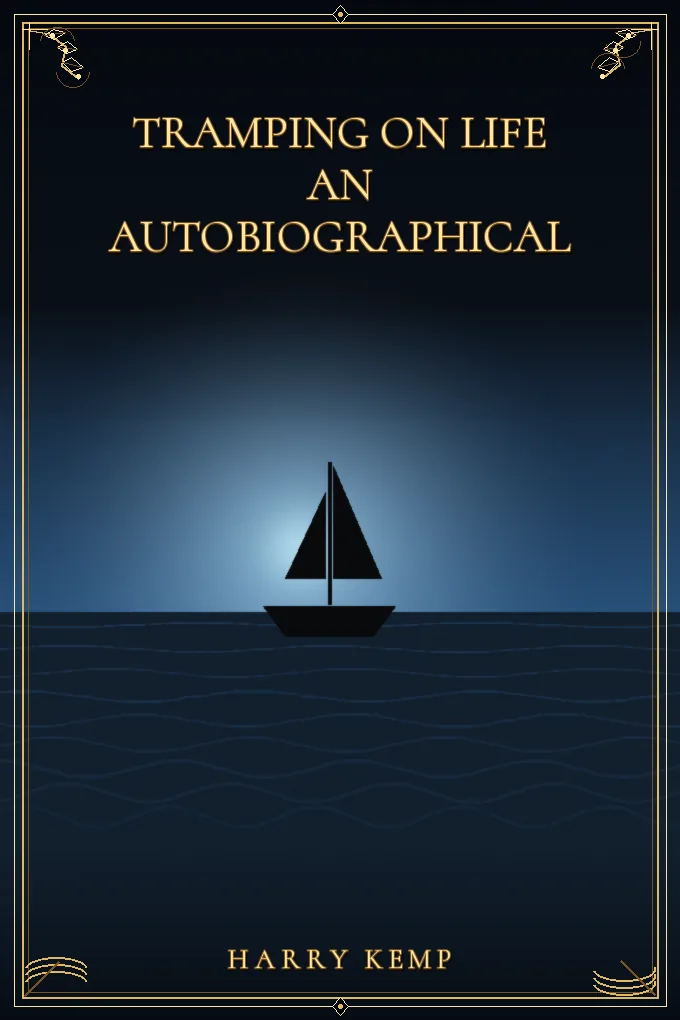
Cover illustration for Tramping on Life An Autobiographical
Context Illustration Reading 1/84 · 5 lines
English subtitles · tap any word to listen 1 / 5
The first day I congratulated myself for working for that particular farmer.
The meat at table was abundant and fresh.
But before my two weeks were up I had grown weary of the diet.
They had killed a cow ... and cow-meat was what I found set before me morning, noon, and night,--every day.
I complained about it to Julius ... "when we kill a cow ain't we got to eat it?" he replied.
0:00 / 0:00
Speed 0.75x
AI-generated narration by OpenAI · Slow US English
LEARNER DICTIONARY
Archivist
/ˈɑːrkɪvɪst/
Editorial verification pending

A keeper or guardian of historical records and memories.

Tramping on Life An Autobiographical

Chapter XVII · Chapter 17

Chapter 17 of Tramping on Life An Autobiographical is here in full — 421 sentences across 85 reading sections, with audio for every sentence and word.

Reading 1/84 · 5 reading units · Lines 1–5

Line 1
The first day I congratulated myself for working for that particular farmer.
/ðə fɜːrst deɪ aɪ kənˈɡrætʃəleɪtɪd ˌmaɪˈself fɔːr ˈwɜːrkɪŋ fɔːr ðæt pərˈtɪkjələr ˈfɑːrmər/
Line 2
The meat at table was abundant and fresh.
/ðə miːt æt ˈteɪbəl wɑːz əˈbʌndənt ənd freʃ/
Line 3
But before my two weeks were up I had grown weary of the diet.
/bʌt bɪˈfɔːr maɪ tuː wiːks wɜːr ʌp aɪ hæd ɡroʊn ˈwɪri ʌv ðə ˈdaɪət/
Line 4
They had killed a cow ... and cow-meat was what I found set before me morning, noon, and night,--every day.
Line 5
I complained about it to Julius ... "when we kill a cow ain't we got to eat it?" he replied.

Learner Dictionary

These definitions explain words found in the current reading and keep every example grounded in its original sentence.

Oxford-style entry order: headword, part of speech, US IPA, concise definition, contextual example, and audio.

abundant adjective US /əˈbʌndənt/

present in great quantity

From this reading “The meat at table was abundant and fresh.”

complained verb US /kəmˈpleɪnd/

past form of “complain” — express complaints, discontent, displeasure, or unhappiness

From this reading “I complained about it to Julius ... "when we kill a cow ain't we got to eat it?" he replied.”

congratulated verb US /kənˈɡrætʃəleɪtɪd/

past form of “congratulate” — say something to someone that expresses praise

From this reading “The first day I congratulated myself for working for that particular farmer.”

cow noun US /kaʊ/

female of domestic cattle: "“moo-cow” is a child's term"

From this reading “They had killed a cow ... and cow-meat was what I found set before me morning, noon, and night,--every day.”

diet noun US /ˈdaɪət/

a prescribed selection of foods

From this reading “But before my two weeks were up I had grown weary of the diet.”

farmer noun US /ˈfɑːrmər/

a person who operates a farm

From this reading “The first day I congratulated myself for working for that particular farmer.”

meat noun US /miːt/

the flesh of animals (including fishes and birds and snails) used as food

From this reading “The meat at table was abundant and fresh.”

noon noun US /nuːn/

the middle of the day

From this reading “They had killed a cow ... and cow-meat was what I found set before me morning, noon, and night,--every day.”

All words in this reading · 56

Every word in these five lines is listed here, and every one of them can be played on its own.

Dictionary details are shown only when verified; these are not licensed Oxford entries.

adeterminerUS /ə/

used before a singular noun to mean one of a group, when it is not a particular one

From this reading They had killed a cow ... and cow-meat was what I found set before me morning, noon, and night,--every day.

aboutprepositionUS /əˈbaʊt/

on the subject of; concerning

From this reading I complained about it to Julius ... "when we kill a cow ain't we got to eat it?" he replied.

abundantadjectiveUS /əˈbʌndənt/

present in great quantity

From this reading The meat at table was abundant and fresh.

ain't

Dictionary entry pending editorial verification. Tap Listen to hear the word.

From this reading I complained about it to Julius ... "when we kill a cow ain't we got to eat it?" he replied.

andconjunctionUS /ənd/

used to join words or parts of a sentence that go together

From this reading The meat at table was abundant and fresh.

atprepositionUS /æt/

in or near a particular place or position

From this reading The meat at table was abundant and fresh.

beforeprepositionUS /bɪˈfɔːr/

earlier than; in front of

From this reading But before my two weeks were up I had grown weary of the diet.

ButconjunctionUS /bʌt/

used to introduce something that contrasts with what came before

From this reading But before my two weeks were up I had grown weary of the diet.

complainedverbUS /kəmˈpleɪnd/

past form of “complain” — express complaints, discontent, displeasure, or unhappiness

From this reading I complained about it to Julius ... "when we kill a cow ain't we got to eat it?" he replied.

congratulatedverbUS /kənˈɡrætʃəleɪtɪd/

past form of “congratulate” — say something to someone that expresses praise

From this reading The first day I congratulated myself for working for that particular farmer.

cownounUS /kaʊ/

female of domestic cattle: "“moo-cow” is a child's term"

From this reading They had killed a cow ... and cow-meat was what I found set before me morning, noon, and night,--every day.

cow-meat

Dictionary entry pending editorial verification. Tap Listen to hear the word.

From this reading They had killed a cow ... and cow-meat was what I found set before me morning, noon, and night,--every day.

daynounUS /deɪ/

time for Earth to make a complete rotation on its axis

From this reading The first day I congratulated myself for working for that particular farmer.

dietnounUS /ˈdaɪət/

a prescribed selection of foods

From this reading But before my two weeks were up I had grown weary of the diet.

eatverbUS /iːt/

take in solid food

From this reading I complained about it to Julius ... "when we kill a cow ain't we got to eat it?" he replied.

everydeterminerUS /ˈevəri/

all the members of a group, with none left out

From this reading They had killed a cow ... and cow-meat was what I found set before me morning, noon, and night,--every day.

farmernounUS /ˈfɑːrmər/

a person who operates a farm

From this reading The first day I congratulated myself for working for that particular farmer.

firstadjectiveUS /fɜːrst/

preceding all others in time or space or degree

From this reading The first day I congratulated myself for working for that particular farmer.

forprepositionUS /fɔːr/

intended to be given to, or used by, somebody

From this reading The first day I congratulated myself for working for that particular farmer.

foundverbUS /faʊnd/

set up or found

From this reading They had killed a cow ... and cow-meat was what I found set before me morning, noon, and night,--every day.

freshadjectiveUS /freʃ/

recently made, produced, or harvested

From this reading The meat at table was abundant and fresh.

gotverbUS /ɡɑːt/

inflected form of “get” — come into the possession of something concrete or abstract

From this reading I complained about it to Julius ... "when we kill a cow ain't we got to eat it?" he replied.

grownadjectiveUS /ɡroʊn/

(of animals) fully developed

From this reading But before my two weeks were up I had grown weary of the diet.

hadauxiliary verbUS /hæd/

the past form of “have”, used to form the past perfect

From this reading But before my two weeks were up I had grown weary of the diet.

hepronounUS /hiː/

a man, boy, or male animal already mentioned, as the subject

From this reading I complained about it to Julius ... "when we kill a cow ain't we got to eat it?" he replied.

IpronounUS /aɪ/

the person speaking or writing, as the subject of the verb

From this reading The first day I congratulated myself for working for that particular farmer.

itpronounUS /ɪt/

a thing, animal, or idea already mentioned

From this reading I complained about it to Julius ... "when we kill a cow ain't we got to eat it?" he replied.

Julius

Dictionary entry pending editorial verification. Tap Listen to hear the word.

From this reading I complained about it to Julius ... "when we kill a cow ain't we got to eat it?" he replied.

killverbUS /kɪl/

cause to die; put to death, usually intentionally or knowingly

From this reading I complained about it to Julius ... "when we kill a cow ain't we got to eat it?" he replied.

killedverbUS /kɪld/

past form of “kill” — cause to die; put to death, usually intentionally or knowingly

From this reading They had killed a cow ... and cow-meat was what I found set before me morning, noon, and night,--every day.

mepronounUS /miː/

the person speaking, as the object of a verb or preposition

From this reading They had killed a cow ... and cow-meat was what I found set before me morning, noon, and night,--every day.

meatnounUS /miːt/

the flesh of animals (including fishes and birds and snails) used as food

From this reading The meat at table was abundant and fresh.

morningnounUS /ˈmɔːrnɪŋ/

the time period between dawn and noon

From this reading They had killed a cow ... and cow-meat was what I found set before me morning, noon, and night,--every day.

mydeterminerUS /maɪ/

belonging to the person speaking

From this reading But before my two weeks were up I had grown weary of the diet.

myselfpronounUS /ˌmaɪˈself/

used when the speaker is also the object of the action

From this reading The first day I congratulated myself for working for that particular farmer.

nightnounUS /naɪt/

the time after sunset and before sunrise while it is dark outside

From this reading They had killed a cow ... and cow-meat was what I found set before me morning, noon, and night,--every day.

noonnounUS /nuːn/

the middle of the day

From this reading They had killed a cow ... and cow-meat was what I found set before me morning, noon, and night,--every day.

ofprepositionUS /ʌv/

belonging to, or connected with, somebody or something

From this reading But before my two weeks were up I had grown weary of the diet.

particularadjectiveUS /pərˈtɪkjələr/

unique or specific to a person or thing or category

From this reading The first day I congratulated myself for working for that particular farmer.

repliedverbUS /rɪˈplaɪd/

inflected form of “reply” — react verbally

From this reading I complained about it to Julius ... "when we kill a cow ain't we got to eat it?" he replied.

setverbUS /set/

put into a certain place or abstract location

From this reading They had killed a cow ... and cow-meat was what I found set before me morning, noon, and night,--every day.

tablenounUS /ˈteɪbəl/

a set of data arranged in rows and columns

From this reading The meat at table was abundant and fresh.

thatconjunctionUS /ðæt/

used to introduce what somebody said, thought, or felt

From this reading The first day I congratulated myself for working for that particular farmer.

ThedeterminerUS /ðə/

used before a noun that is already known, already mentioned, or the only one of its kind

From this reading The first day I congratulated myself for working for that particular farmer.

TheypronounUS /ðeɪ/

the people, animals, or things already mentioned, as the subject

From this reading They had killed a cow ... and cow-meat was what I found set before me morning, noon, and night,--every day.

toparticleUS /tuː/

used before the base form of a verb to make the infinitive

From this reading I complained about it to Julius ... "when we kill a cow ain't we got to eat it?" he replied.

twonounUS /tuː/

the cardinal number that is the sum of one and one or a numeral representing this number

From this reading But before my two weeks were up I had grown weary of the diet.

upadjectiveUS /ʌp/

being or moving higher in position or greater in some value; being above a former position or level

From this reading But before my two weeks were up I had grown weary of the diet.

wasauxiliary verbUS /wɑːz/

the past form of “be” used with I, he, she, it, or a singular noun

From this reading The meat at table was abundant and fresh.

wepronounUS /wiː/

the speaker together with one or more other people

From this reading I complained about it to Julius ... "when we kill a cow ain't we got to eat it?" he replied.

wearyverbUS /ˈwɪri/

exhaust or get tired through overuse or great strain or stress

From this reading But before my two weeks were up I had grown weary of the diet.

weeksnounUS /wiːks/

plural of “week” — any period of seven consecutive days

From this reading But before my two weeks were up I had grown weary of the diet.

wereauxiliary verbUS /wɜːr/

the past form of “be” used with you, we, they, or a plural noun

From this reading But before my two weeks were up I had grown weary of the diet.

whatpronounUS /wʌt/

used to ask for information about something

From this reading They had killed a cow ... and cow-meat was what I found set before me morning, noon, and night,--every day.

whenconjunctionUS /wen/

at the time that

From this reading I complained about it to Julius ... "when we kill a cow ain't we got to eat it?" he replied.

workingadjectiveUS /ˈwɜːrkɪŋ/

actively engaged in paid work

From this reading The first day I congratulated myself for working for that particular farmer.

Chapter 17 of Tramping on Life An Autobiographical by Harry Kemp holds 421 sentences, grouped into 85 reading sections of at most 5 sentences. The text is the source edition, unabridged, and the chapter records which sentences cover which part of the work so that nothing is dropped. Every word can be tapped for its pronunciation and dictionary entry.

What does chapter 17 of Tramping on Life An Autobiographical contain?

Chapter 17 holds 421 sentences of Tramping on Life An Autobiographical, unabridged, divided into 85 reading sections.

This page carries chapter 17 of Tramping on Life An Autobiographical by Harry Kemp exactly as it stands in the source edition, without abridgement. It runs to 421 sentences, grouped into 85 sections of at most 5 sentences so that a reader can take the chapter in steady, finishable pieces. The chapter also stores a coverage record mapping every one of its sentences to a part of the work, which is how the edition demonstrates that no line was dropped.

How do I study chapter 17 of Tramping on Life An Autobiographical?

Work through the 85 sections in order, replaying any sentence and tapping unfamiliar words for their entries.

Each of the 85 sections in this chapter is short enough to read once, hear once, and then re-read with the vocabulary in view. Tapping a word plays it alone and opens its dictionary entry with IPA, part of speech and meaning, so the reader is never forced to guess a pronunciation from spelling. Working section by section keeps a long chapter from becoming an undifferentiated wall of text, which is the usual reason a reader abandons a work of this period.

Can chapter 17 be read aloud to me?

Yes — every sentence and every individual word in chapter 17 can be played aloud in United States English.

Audio covers the whole chapter: any sentence can be played, and any single word within it can be played on its own. The voice uses United States English. For a work of this period that matters, because spelling is an unreliable guide to pronunciation for vocabulary that has fallen out of daily use, and a learner who guesses wrong tends to keep the error. Hearing the word in its own sentence, and then alone, settles it.

Questions about reading Tramping on Life An Autobiographical

Common questions about reading Tramping on Life An Autobiographical by Harry Kemp on this page, its source edition and its audio.

Is this the complete text of Tramping on Life An Autobiographical?

Yes. All 9441 sentences of Project Gutenberg eBook #15415 are kept, with a record of which sentences cover which part.

Which edition of Tramping on Life An Autobiographical is used?

Project Gutenberg eBook #15415, unabridged. The Project Gutenberg header, footer and licence are removed.

How long does Tramping on Life An Autobiographical take to read?

About 600 minutes of reading across 1889 sections of 5 sentences each, at an unhurried pace.

How to read Tramping on Life An Autobiographical section by section

How to work through Tramping on Life An Autobiographical section by section, using the audio and the tap-to-define vocabulary.

  1. Open a chapter

    Choose one of the 23 chapters of Tramping on Life An Autobiographical to begin.

  2. Read one section

    Each section holds 5 sentences; read it once through.

  3. Listen and tap

    Play the section aloud, then tap any unfamiliar word for its entry.

Vocabulary met early in Tramping on Life An Autobiographical

Words and structures a reader meets early in Tramping on Life An Autobiographical, each tappable for pronunciation and meaning.

Garden
A word that appears in the opening chapter of Tramping on Life An Autobiographical; the reader can tap it to hear it and see its dictionary entry.
Publishing
A word that appears in the opening chapter of Tramping on Life An Autobiographical; the reader can tap it to hear it and see its dictionary entry.
Company
A word that appears in the opening chapter of Tramping on Life An Autobiographical; the reader can tap it to hear it and see its dictionary entry.
Liveright
A word that appears in the opening chapter of Tramping on Life An Autobiographical; the reader can tap it to hear it and see its dictionary entry.