Complete classic literature • Five-line readings • Clear US narration
VELMORA ACADEMY
Academy of Archival Languages & Memory Studies
Menu Close
Upsidonia
Upsidonia

Chapter X

Chapter 10 of Upsidonia is here in full — 133 sentences across 27 reading sections, with audio for every sentence and word.

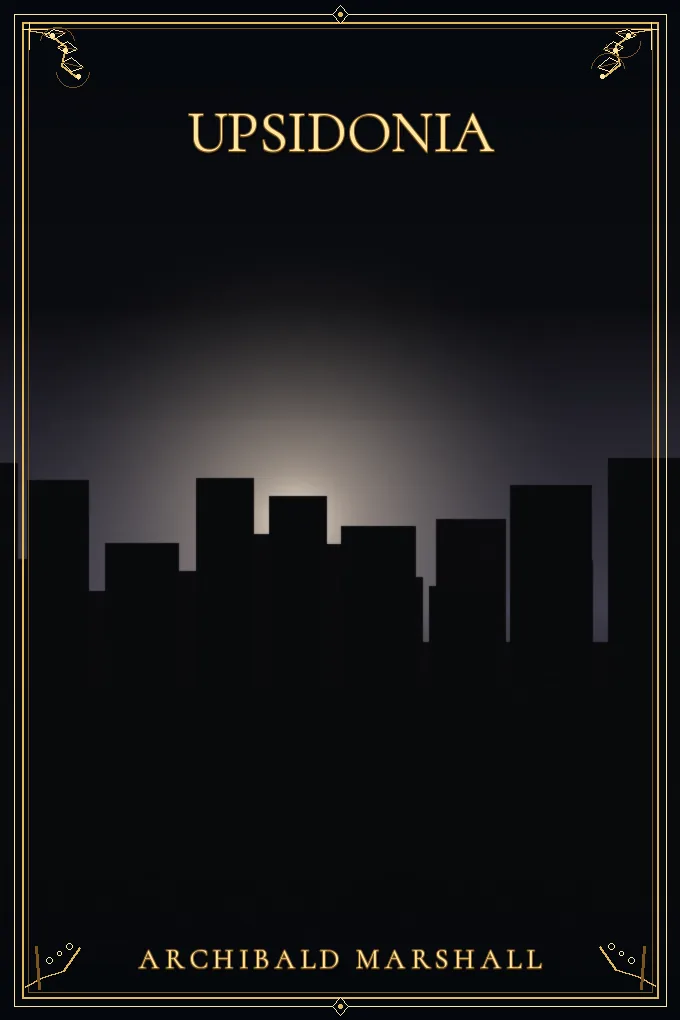
Cover illustration for Upsidonia
Context Illustration Reading 1/26 · 5 lines
English subtitles · tap any word to listen 1 / 5
I was not left alone long.
Mollie came out of the house, and greeted me in friendly childish fashion.
"Lessons over for the day," she said, throwing herself into a chair.
"I suppose you will be awfully shocked if I say that I am glad of it."
She shook her thick mass of curls at me, with a challenging laugh.
0:00 / 0:00
Speed 0.75x
AI-generated narration by OpenAI · Slow US English
LEARNER DICTIONARY
Archivist
/ˈɑːrkɪvɪst/
Editorial verification pending

A keeper or guardian of historical records and memories.

Upsidonia

Chapter X

Chapter 10 of Upsidonia is here in full — 133 sentences across 27 reading sections, with audio for every sentence and word.

Reading 1/26 · 5 reading units · Lines 1–5

Line 1
I was not left alone long.
/aɪ wɑːz nɑːt left əˈloʊn lɔːŋ/
Line 2
Mollie came out of the house, and greeted me in friendly childish fashion.
/ˈmɑːli keɪm aʊt ʌv ðə haʊs ənd ˈɡriːtəd miː ɪn ˈfrendli ˈtʃaɪldɪʃ ˈfæʃən/
Line 3
"Lessons over for the day," she said, throwing herself into a chair.
/ˈlesənz ˈoʊvər fɔːr ðə deɪ ʃiː sed ˈθroʊɪŋ hərˈself ˈɪntuː ə tʃer/
Line 4
"I suppose you will be awfully shocked if I say that I am glad of it."
/aɪ səˈpoʊz juː wɪl biː ˈɑːfli ʃɑːkt ɪf aɪ seɪ ðæt aɪ æm ɡlæd ʌv ɪt/
Line 5
She shook her thick mass of curls at me, with a challenging laugh.
/ʃiː ʃʊk hɜːr θɪk mæs ʌv kɜːrlz æt miː wɪð ə ˈtʃæləndʒɪŋ læf/

Learner Dictionary

These definitions explain words found in the current reading and keep every example grounded in its original sentence.

Oxford-style entry order: headword, part of speech, US IPA, concise definition, contextual example, and audio.

awfully adverb US /ˈɑːfli/

used as intensifiers

From this reading “"I suppose you will be awfully shocked if I say that I am glad of it."”

challenging adjective US /ˈtʃæləndʒɪŋ/

requiring full use of your abilities or resources

From this reading “She shook her thick mass of curls at me, with a challenging laugh.”

childish adjective US /ˈtʃaɪldɪʃ/

indicating a lack of maturity

From this reading “Mollie came out of the house, and greeted me in friendly childish fashion.”

curls noun US /kɜːrlz/

plural of “curl” — a round shape formed by a series of concentric circles (as formed by leaves or flower petals)

From this reading “She shook her thick mass of curls at me, with a challenging laugh.”

greeted verb US /ˈɡriːtəd/

past form of “greet” — express greetings upon meeting someone

From this reading “Mollie came out of the house, and greeted me in friendly childish fashion.”

Lessons noun US /ˈlesənz/

plural of “lesson” — a unit of instruction

From this reading “"Lessons over for the day," she said, throwing herself into a chair.”

Mollie noun US /ˈmɑːli/

popular aquarium fish

From this reading “Mollie came out of the house, and greeted me in friendly childish fashion.”

shocked adjective US /ʃɑːkt/

struck with fear, dread, or consternation

From this reading “"I suppose you will be awfully shocked if I say that I am glad of it."”

Word partnerships in these lines

English keeps certain words together, and knowing the pair is worth more than knowing each word alone. Every partnership below was counted across our whole published library, and earns its place by appearing far more often than two unrelated words of the same frequency would.

Shown as this reading writes them, with the form the library counts, what kind of pairing it is, and how often it occurs.

thick mass adjective + noun

In this reading “She shook her thick mass of curls at me, with a challenging laugh.”

into a chair preposition + article + noun counted as “into … chair”

In this reading “"Lessons over for the day," she said, throwing herself into a chair.”

came out verb + adjective counted as “come out”

appear or become visible; make a showing

In this reading “Mollie came out of the house, and greeted me in friendly childish fashion.”

All words in this reading · 51

Every word in these five lines is listed here, and every one of them can be played on its own.

Dictionary details are shown only when verified; these are not licensed Oxford entries.

adeterminerUS /ə/

used before a singular noun to mean one of a group, when it is not a particular one

From this reading "Lessons over for the day," she said, throwing herself into a chair.

aloneadjectiveUS /əˈloʊn/

Having no one else present.

From this reading I was not left alone long.

amauxiliary verbUS /æm/

the form of “be” used with “I”

From this reading "I suppose you will be awfully shocked if I say that I am glad of it."

andconjunctionUS /ənd/

used to join words or parts of a sentence that go together

From this reading Mollie came out of the house, and greeted me in friendly childish fashion.

atprepositionUS /æt/

in or near a particular place or position

From this reading She shook her thick mass of curls at me, with a challenging laugh.

awfullyadverbUS /ˈɑːfli/

used as intensifiers

From this reading "I suppose you will be awfully shocked if I say that I am glad of it."

beauxiliary verbUS /biː/

used with a past participle to form the passive, or with -ing for continuous tenses

From this reading "I suppose you will be awfully shocked if I say that I am glad of it."

cameverbUS /keɪm/

inflected form of “come” — move toward, travel toward something or somebody or approach something or somebody

From this reading Mollie came out of the house, and greeted me in friendly childish fashion.

chairnounUS /tʃer/

a seat for one person, with a support for the back

From this reading "Lessons over for the day," she said, throwing herself into a chair.

challengingadjectiveUS /ˈtʃæləndʒɪŋ/

requiring full use of your abilities or resources

From this reading She shook her thick mass of curls at me, with a challenging laugh.

childishadjectiveUS /ˈtʃaɪldɪʃ/

indicating a lack of maturity

From this reading Mollie came out of the house, and greeted me in friendly childish fashion.

curlsnounUS /kɜːrlz/

plural of “curl” — a round shape formed by a series of concentric circles (as formed by leaves or flower petals)

From this reading She shook her thick mass of curls at me, with a challenging laugh.

daynounUS /deɪ/

time for Earth to make a complete rotation on its axis

From this reading "Lessons over for the day," she said, throwing herself into a chair.

fashionnounUS /ˈfæʃən/

how something is done or how it happens

From this reading Mollie came out of the house, and greeted me in friendly childish fashion.

forprepositionUS /fɔːr/

intended to be given to, or used by, somebody

From this reading "Lessons over for the day," she said, throwing herself into a chair.

friendlyadjectiveUS /ˈfrendli/

characteristic of or befitting a friend

From this reading Mollie came out of the house, and greeted me in friendly childish fashion.

gladadjectiveUS /ɡlæd/

showing or causing joy and pleasure; especially made happy

From this reading "I suppose you will be awfully shocked if I say that I am glad of it."

greetedverbUS /ˈɡriːtəd/

past form of “greet” — express greetings upon meeting someone

From this reading Mollie came out of the house, and greeted me in friendly childish fashion.

herdeterminerUS /hɜːr/

belonging to a woman, girl, or female animal already mentioned

From this reading She shook her thick mass of curls at me, with a challenging laugh.

herselfpronounUS /hərˈself/

used when the woman or girl doing the action is also its object

From this reading "Lessons over for the day," she said, throwing herself into a chair.

housenounUS /haʊs/

a dwelling that serves as living quarters for one or more families

From this reading Mollie came out of the house, and greeted me in friendly childish fashion.

IpronounUS /aɪ/

the person speaking or writing, as the subject of the verb

From this reading I was not left alone long.

ifconjunctionUS /ɪf/

on condition that; in the event that

From this reading "I suppose you will be awfully shocked if I say that I am glad of it."

inprepositionUS /ɪn/

inside something, or within a place, period, or state

From this reading Mollie came out of the house, and greeted me in friendly childish fashion.

intoprepositionUS /ˈɪntuː/

moving to the inside of something

From this reading "Lessons over for the day," she said, throwing herself into a chair.

itpronounUS /ɪt/

a thing, animal, or idea already mentioned

From this reading "I suppose you will be awfully shocked if I say that I am glad of it."

laughnounUS /læf/

the sound of laughing

From this reading She shook her thick mass of curls at me, with a challenging laugh.

leftnounUS /left/

location near or direction toward the left side; i.e. the side to the north when a person or object faces east

From this reading I was not left alone long.

LessonsnounUS /ˈlesənz/

plural of “lesson” — a unit of instruction

From this reading "Lessons over for the day," she said, throwing herself into a chair.

longadjectiveUS /lɔːŋ/

primarily temporal sense; being or indicating a relatively great or greater than average duration or passage of time or a duration as specified

From this reading I was not left alone long.

massnounUS /mæs/

the property of a body that causes it to have weight in a gravitational field

From this reading She shook her thick mass of curls at me, with a challenging laugh.

mepronounUS /miː/

the person speaking, as the object of a verb or preposition

From this reading Mollie came out of the house, and greeted me in friendly childish fashion.

MollienounUS /ˈmɑːli/

popular aquarium fish

From this reading Mollie came out of the house, and greeted me in friendly childish fashion.

notadverbUS /nɑːt/

used to make a word, phrase, or sentence negative

From this reading I was not left alone long.

ofprepositionUS /ʌv/

belonging to, or connected with, somebody or something

From this reading Mollie came out of the house, and greeted me in friendly childish fashion.

outadjectiveUS /aʊt/

not allowed to continue to bat or run

From this reading Mollie came out of the house, and greeted me in friendly childish fashion.

overprepositionUS /ˈoʊvər/

above and across; more than

From this reading "Lessons over for the day," she said, throwing herself into a chair.

saidadjectiveUS /sed/

being the one previously mentioned or spoken of

From this reading "Lessons over for the day," she said, throwing herself into a chair.

sayverbUS /seɪ/

express in words

From this reading "I suppose you will be awfully shocked if I say that I am glad of it."

shepronounUS /ʃiː/

a woman, girl, or female animal already mentioned, as the subject

From this reading "Lessons over for the day," she said, throwing herself into a chair.

shockedadjectiveUS /ʃɑːkt/

struck with fear, dread, or consternation

From this reading "I suppose you will be awfully shocked if I say that I am glad of it."

shooknounUS /ʃʊk/

a disassembled barrel; the parts packed for storage or shipment

From this reading She shook her thick mass of curls at me, with a challenging laugh.

supposeverbUS /səˈpoʊz/

express a supposition

From this reading "I suppose you will be awfully shocked if I say that I am glad of it."

thatconjunctionUS /ðæt/

used to introduce what somebody said, thought, or felt

From this reading "I suppose you will be awfully shocked if I say that I am glad of it."

thedeterminerUS /ðə/

used before a noun that is already known, already mentioned, or the only one of its kind

From this reading Mollie came out of the house, and greeted me in friendly childish fashion.

thickadjectiveUS /θɪk/

not thin; of a specific thickness or of relatively great extent from one surface to the opposite usually in the smallest of the three solid dimensions

From this reading She shook her thick mass of curls at me, with a challenging laugh.

throwingverbUS /ˈθroʊɪŋ/

-ing form of “throw” — propel through the air

From this reading "Lessons over for the day," she said, throwing herself into a chair.

wasauxiliary verbUS /wɑːz/

the past form of “be” used with I, he, she, it, or a singular noun

From this reading I was not left alone long.

willmodal verbUS /wɪl/

used to talk about the future, or about willingness

From this reading "I suppose you will be awfully shocked if I say that I am glad of it."

withprepositionUS /wɪð/

in the company of; together with

From this reading She shook her thick mass of curls at me, with a challenging laugh.

youpronounUS /juː/

the person or people being spoken to

From this reading "I suppose you will be awfully shocked if I say that I am glad of it."

Chapter 10 of Upsidonia by Archibald Marshall holds 133 sentences, grouped into 27 reading sections of at most 5 sentences. The text is the source edition, unabridged, and the chapter records which sentences cover which part of the work so that nothing is dropped. Every word can be tapped for its pronunciation and dictionary entry.

What does chapter 10 of Upsidonia contain?

Chapter 10 holds 133 sentences of Upsidonia, unabridged, divided into 27 reading sections.

This page carries chapter 10 of Upsidonia by Archibald Marshall exactly as it stands in the source edition, without abridgement. It runs to 133 sentences, grouped into 27 sections of at most 5 sentences so that a reader can take the chapter in steady, finishable pieces. The chapter also stores a coverage record mapping every one of its sentences to a part of the work, which is how the edition demonstrates that no line was dropped.

How do I study chapter 10 of Upsidonia?

Work through the 27 sections in order, replaying any sentence and tapping unfamiliar words for their entries.

Each of the 27 sections in this chapter is short enough to read once, hear once, and then re-read with the vocabulary in view. Tapping a word plays it alone and opens its dictionary entry with IPA, part of speech and meaning, so the reader is never forced to guess a pronunciation from spelling. Working section by section keeps a long chapter from becoming an undifferentiated wall of text, which is the usual reason a reader abandons a work of this period.

Can chapter 10 be read aloud to me?

Yes — every sentence and every individual word in chapter 10 can be played aloud in United States English.

Audio covers the whole chapter: any sentence can be played, and any single word within it can be played on its own. The voice uses United States English. For a work of this period that matters, because spelling is an unreliable guide to pronunciation for vocabulary that has fallen out of daily use, and a learner who guesses wrong tends to keep the error. Hearing the word in its own sentence, and then alone, settles it.

Questions about reading Upsidonia

Common questions about reading Upsidonia by Archibald Marshall on this page, its source edition and its audio.

Is this the complete text of Upsidonia?

Yes. All 3236 sentences of Project Gutenberg eBook #39905 are kept, with a record of which sentences cover which part.

Which edition of Upsidonia is used?

Project Gutenberg eBook #39905, unabridged. The Project Gutenberg header, footer and licence are removed.

How long does Upsidonia take to read?

About 269 minutes of reading across 648 sections of 5 sentences each, at an unhurried pace.

How to read Upsidonia section by section

How to work through Upsidonia section by section, using the audio and the tap-to-define vocabulary.

  1. Open a chapter

    Choose one of the 32 chapters of Upsidonia to begin.

  2. Read one section

    Each section holds 5 sentences; read it once through.

  3. Listen and tap

    Play the section aloud, then tap any unfamiliar word for its entry.

Vocabulary met early in Upsidonia

Words and structures a reader meets early in Upsidonia, each tappable for pronunciation and meaning.

Author
A word that appears in the opening chapter of Upsidonia; the reader can tap it to hear it and see its dictionary entry.
Exton
A word that appears in the opening chapter of Upsidonia; the reader can tap it to hear it and see its dictionary entry.
Manor
A word that appears in the opening chapter of Upsidonia; the reader can tap it to hear it and see its dictionary entry.
Honour
A word that appears in the opening chapter of Upsidonia; the reader can tap it to hear it and see its dictionary entry.