Complete classic literature • Five-line readings • Clear US narration
VELMORA ACADEMY
Academy of Archival Languages & Memory Studies
Menu Close
Varney the vampyre
Varney the vampyre

Chapter V · Chapter 5

Chapter 5 of Varney the vampyre is here in full — 1208 sentences across 242 reading sections, with audio for every sentence and word.

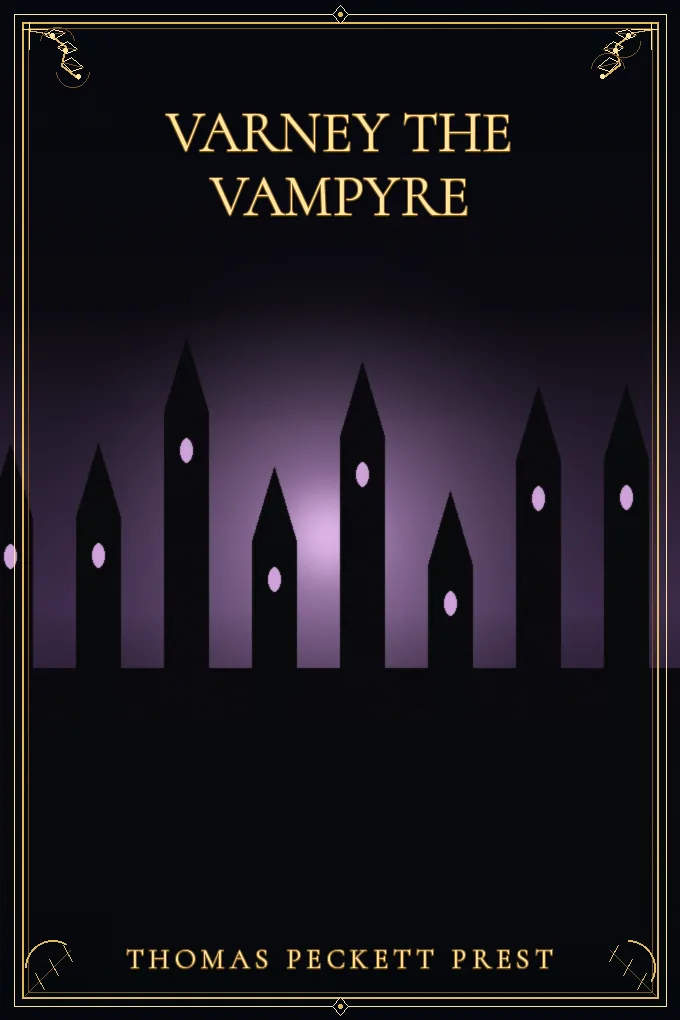
Cover illustration for Varney the vampyre
Context Illustration Reading 1/241 · 5 lines
English subtitles · tap any word to listen 1 / 5
THE LETTER TO CHARLES.—THE QUARREL.—THE ADMIRAL’S NARRATIVE.—THE MIDNIGHT MEETING.
It was Charles Holland who now advanced hurriedly to meet the admiral.
The young man’s manner was anxious.
He was evidently most intent upon knowing what answer could be sent by Sir Francis Varney to his challenge.
Uncle,” he said, tell me at once, will he meet me?
0:00 / 0:00
Speed 0.75x
AI-generated narration by OpenAI · Slow US English
LEARNER DICTIONARY
Archivist
/ˈɑːrkɪvɪst/
Editorial verification pending

A keeper or guardian of historical records and memories.

Varney the vampyre

Chapter V · Chapter 5

Chapter 5 of Varney the vampyre is here in full — 1208 sentences across 242 reading sections, with audio for every sentence and word.

Reading 1/241 · 5 reading units · Lines 1–5

Line 1
THE LETTER TO CHARLES.—THE QUARREL.—THE ADMIRAL’S NARRATIVE.—THE MIDNIGHT MEETING.
Line 2
It was Charles Holland who now advanced hurriedly to meet the admiral.
/ɪt wɑːz tʃɑːrlz ˈhɑːlənd huː naʊ ədˈvænst ˈhɜːridli tuː miːt ðə ˈædmərəl/
Line 3
The young man’s manner was anxious.
/ðə jʌŋ mænz ˈmænər wɑːz ˈæŋkʃəs/
Line 4
He was evidently most intent upon knowing what answer could be sent by Sir Francis Varney to his challenge.
Line 5
Uncle,” he said, “tell me at once, will he meet me?
/ˈʌŋkəl hiː sed tel miː æt wʌns wɪl hiː miːt miː/

Learner Dictionary

These definitions explain words found in the current reading and keep every example grounded in its original sentence.

Oxford-style entry order: headword, part of speech, US IPA, concise definition, contextual example, and audio.

admiral noun US /ˈædmərəl/

the supreme commander of a fleet; ranks above a vice admiral and below a fleet admiral

From this reading “THE LETTER TO CHARLES.—THE QUARREL.—THE ADMIRAL’S NARRATIVE.—THE MIDNIGHT MEETING.”

admiral's noun US /ˈædmərəlz/

possessive form of “admiral” — the supreme commander of a fleet; ranks above a vice admiral and below a fleet admiral

challenge verb US /ˈtʃæləndʒ/

take exception to

From this reading “He was evidently most intent upon knowing what answer could be sent by Sir Francis Varney to his challenge.”

Holland noun US /ˈhɑːlənd/

a constitutional monarchy in western Europe on the North Sea; half the country lies below sea level

From this reading “It was Charles Holland who now advanced hurriedly to meet the admiral.”

hurriedly adverb US /ˈhɜːridli/

in a hurried or hasty manner

From this reading “It was Charles Holland who now advanced hurriedly to meet the admiral.”

intent noun US /ˌɪnˈtent/

an anticipated outcome that is intended or that guides your planned actions

From this reading “He was evidently most intent upon knowing what answer could be sent by Sir Francis Varney to his challenge.”

narrative noun US /ˈnærətɪv/

a message that tells the particulars of an act or occurrence or course of events; presented in writing or drama or cinema or as a radio or television program

From this reading “THE LETTER TO CHARLES.—THE QUARREL.—THE ADMIRAL’S NARRATIVE.—THE MIDNIGHT MEETING.”

quarrel noun US /ˈkwɔːrəl/

an angry dispute

From this reading “THE LETTER TO CHARLES.—THE QUARREL.—THE ADMIRAL’S NARRATIVE.—THE MIDNIGHT MEETING.”

All words in this reading · 46

Every word in these five lines is listed here, and every one of them can be played on its own.

Dictionary details are shown only when verified; these are not licensed Oxford entries.

admiralnounUS /ˈædmərəl/

the supreme commander of a fleet; ranks above a vice admiral and below a fleet admiral

From this reading It was Charles Holland who now advanced hurriedly to meet the admiral.

ADMIRAL'SnounUS /ˈædmərəlz/

possessive form of “admiral” — the supreme commander of a fleet; ranks above a vice admiral and below a fleet admiral

From this reading THE LETTER TO CHARLES.—THE QUARREL.—THE ADMIRAL’S NARRATIVE.—THE MIDNIGHT MEETING.

advancedadjectiveUS /ədˈvænst/

farther along in physical or mental development

From this reading It was Charles Holland who now advanced hurriedly to meet the admiral.

answerverbUS /ˈænsər/

react verbally

From this reading He was evidently most intent upon knowing what answer could be sent by Sir Francis Varney to his challenge.

anxiousadjectiveUS /ˈæŋkʃəs/

eagerly desirous

From this reading The young man’s manner was anxious.

atprepositionUS /æt/

in or near a particular place or position

From this reading “Uncle,” he said, “tell me at once, will he meet me?

beauxiliary verbUS /biː/

used with a past participle to form the passive, or with -ing for continuous tenses

From this reading He was evidently most intent upon knowing what answer could be sent by Sir Francis Varney to his challenge.

byprepositionUS /baɪ/

showing who or what does the action

From this reading He was evidently most intent upon knowing what answer could be sent by Sir Francis Varney to his challenge.

challengeverbUS /ˈtʃæləndʒ/

take exception to

From this reading He was evidently most intent upon knowing what answer could be sent by Sir Francis Varney to his challenge.

CHARLESnounUS /tʃɑːrlz/

King of France from 1560 to 1574 whose reign was dominated by his mother Catherine de Medicis (1550-1574)

From this reading THE LETTER TO CHARLES.—THE QUARREL.—THE ADMIRAL’S NARRATIVE.—THE MIDNIGHT MEETING.

couldmodal verbUS /kʊd/

the past of “can”; used for possibility or polite requests

From this reading He was evidently most intent upon knowing what answer could be sent by Sir Francis Varney to his challenge.

evidentlyadverbUS /ˈevədəntli/

unmistakably (“plain” is often used informally for “plainly”)

From this reading He was evidently most intent upon knowing what answer could be sent by Sir Francis Varney to his challenge.

Francis

Dictionary entry pending editorial verification. Tap Listen to hear the word.

From this reading He was evidently most intent upon knowing what answer could be sent by Sir Francis Varney to his challenge.

HepronounUS /hiː/

a man, boy, or male animal already mentioned, as the subject

From this reading He was evidently most intent upon knowing what answer could be sent by Sir Francis Varney to his challenge.

hisdeterminerUS /hɪz/

belonging to a man, boy, or male animal already mentioned

From this reading He was evidently most intent upon knowing what answer could be sent by Sir Francis Varney to his challenge.

HollandnounUS /ˈhɑːlənd/

a constitutional monarchy in western Europe on the North Sea; half the country lies below sea level

From this reading It was Charles Holland who now advanced hurriedly to meet the admiral.

hurriedlyadverbUS /ˈhɜːridli/

in a hurried or hasty manner

From this reading It was Charles Holland who now advanced hurriedly to meet the admiral.

intentnounUS /ˌɪnˈtent/

an anticipated outcome that is intended or that guides your planned actions

From this reading He was evidently most intent upon knowing what answer could be sent by Sir Francis Varney to his challenge.

ItpronounUS /ɪt/

a thing, animal, or idea already mentioned

From this reading It was Charles Holland who now advanced hurriedly to meet the admiral.

knowingadjectiveUS /ˈnoʊɪŋ/

evidencing the possession of inside information

From this reading He was evidently most intent upon knowing what answer could be sent by Sir Francis Varney to his challenge.

LETTERnounUS /ˈletər/

a written message addressed to a person or organization

From this reading THE LETTER TO CHARLES.—THE QUARREL.—THE ADMIRAL’S NARRATIVE.—THE MIDNIGHT MEETING.

man'snounUS /mænz/

possessive form of “man” — an adult person who is male (as opposed to a woman)

From this reading The young man’s manner was anxious.

mannernounUS /ˈmænər/

how something is done or how it happens

From this reading The young man’s manner was anxious.

mepronounUS /miː/

the person speaking, as the object of a verb or preposition

From this reading “Uncle,” he said, “tell me at once, will he meet me?

meetverbUS /miːt/

come together

From this reading It was Charles Holland who now advanced hurriedly to meet the admiral.

MEETINGnounUS /ˈmiːtɪŋ/

a formally arranged gathering

From this reading THE LETTER TO CHARLES.—THE QUARREL.—THE ADMIRAL’S NARRATIVE.—THE MIDNIGHT MEETING.

MIDNIGHTnounUS /ˈmɪdnaɪt/

12 o'clock at night; the middle of the night

From this reading THE LETTER TO CHARLES.—THE QUARREL.—THE ADMIRAL’S NARRATIVE.—THE MIDNIGHT MEETING.

mostadverbUS /moʊst/

used to form the superlative

From this reading He was evidently most intent upon knowing what answer could be sent by Sir Francis Varney to his challenge.

NARRATIVEnounUS /ˈnærətɪv/

a message that tells the particulars of an act or occurrence or course of events; presented in writing or drama or cinema or as a radio or television program

From this reading THE LETTER TO CHARLES.—THE QUARREL.—THE ADMIRAL’S NARRATIVE.—THE MIDNIGHT MEETING.

nowadverbUS /naʊ/

in the historical present; at this point in the narration of a series of past events

From this reading It was Charles Holland who now advanced hurriedly to meet the admiral.

onceadverbUS /wʌns/

on one occasion

From this reading “Uncle,” he said, “tell me at once, will he meet me?

QUARRELnounUS /ˈkwɔːrəl/

an angry dispute

From this reading THE LETTER TO CHARLES.—THE QUARREL.—THE ADMIRAL’S NARRATIVE.—THE MIDNIGHT MEETING.

saidadjectiveUS /sed/

being the one previously mentioned or spoken of

From this reading “Uncle,” he said, “tell me at once, will he meet me?

sentnounUS /sent/

100 senti equal 1 kroon in Estonia

From this reading He was evidently most intent upon knowing what answer could be sent by Sir Francis Varney to his challenge.

SirnounUS /sɜːr/

term of address for a man

From this reading He was evidently most intent upon knowing what answer could be sent by Sir Francis Varney to his challenge.

tellverbUS /tel/

express in words

From this reading “Uncle,” he said, “tell me at once, will he meet me?

THEdeterminerUS /ðə/

used before a noun that is already known, already mentioned, or the only one of its kind

From this reading THE LETTER TO CHARLES.—THE QUARREL.—THE ADMIRAL’S NARRATIVE.—THE MIDNIGHT MEETING.

TOparticleUS /tuː/

used before the base form of a verb to make the infinitive

From this reading THE LETTER TO CHARLES.—THE QUARREL.—THE ADMIRAL’S NARRATIVE.—THE MIDNIGHT MEETING.

UnclenounUS /ˈʌŋkəl/

the brother of your father or mother; the husband of your aunt

From this reading “Uncle,” he said, “tell me at once, will he meet me?

uponprepositionUS /əˈpɑːn/

a formal word for “on”

From this reading He was evidently most intent upon knowing what answer could be sent by Sir Francis Varney to his challenge.

Varney

Dictionary entry pending editorial verification. Tap Listen to hear the word.

From this reading He was evidently most intent upon knowing what answer could be sent by Sir Francis Varney to his challenge.

wasauxiliary verbUS /wɑːz/

the past form of “be” used with I, he, she, it, or a singular noun

From this reading It was Charles Holland who now advanced hurriedly to meet the admiral.

whatpronounUS /wʌt/

used to ask for information about something

From this reading He was evidently most intent upon knowing what answer could be sent by Sir Francis Varney to his challenge.

whopronounUS /huː/

which person or people

From this reading It was Charles Holland who now advanced hurriedly to meet the admiral.

willmodal verbUS /wɪl/

used to talk about the future, or about willingness

From this reading “Uncle,” he said, “tell me at once, will he meet me?

youngadjectiveUS /jʌŋ/

(used of living things especially persons) in an early period of life or development or growth

From this reading The young man’s manner was anxious.

Chapter 5 of Varney the vampyre by Thomas Peckett Prest holds 1208 sentences, grouped into 242 reading sections of at most 5 sentences. The text is the source edition, unabridged, and the chapter records which sentences cover which part of the work so that nothing is dropped. Every word can be tapped for its pronunciation and dictionary entry.

What does chapter 5 of Varney the vampyre contain?

Chapter 5 holds 1208 sentences of Varney the vampyre, unabridged, divided into 242 reading sections.

This page carries chapter 5 of Varney the vampyre by Thomas Peckett Prest exactly as it stands in the source edition, without abridgement. It runs to 1208 sentences, grouped into 242 sections of at most 5 sentences so that a reader can take the chapter in steady, finishable pieces. The chapter also stores a coverage record mapping every one of its sentences to a part of the work, which is how the edition demonstrates that no line was dropped.

How do I study chapter 5 of Varney the vampyre?

Work through the 242 sections in order, replaying any sentence and tapping unfamiliar words for their entries.

Each of the 242 sections in this chapter is short enough to read once, hear once, and then re-read with the vocabulary in view. Tapping a word plays it alone and opens its dictionary entry with IPA, part of speech and meaning, so the reader is never forced to guess a pronunciation from spelling. Working section by section keeps a long chapter from becoming an undifferentiated wall of text, which is the usual reason a reader abandons a work of this period.

Can chapter 5 be read aloud to me?

Yes — every sentence and every individual word in chapter 5 can be played aloud in United States English.

Audio covers the whole chapter: any sentence can be played, and any single word within it can be played on its own. The voice uses United States English. For a work of this period that matters, because spelling is an unreliable guide to pronunciation for vocabulary that has fallen out of daily use, and a learner who guesses wrong tends to keep the error. Hearing the word in its own sentence, and then alone, settles it.

Questions about reading Varney the vampyre

Common questions about reading Varney the vampyre by Thomas Peckett Prest on this page, its source edition and its audio.

Is this the complete text of Varney the vampyre?

Yes. All 30497 sentences of Project Gutenberg eBook #14833 are kept, with a record of which sentences cover which part.

Which edition of Varney the vampyre is used?

Project Gutenberg eBook #14833, unabridged. The Project Gutenberg header, footer and licence are removed.

How long does Varney the vampyre take to read?

About 600 minutes of reading across 6100 sections of 5 sentences each, at an unhurried pace.

How to read Varney the vampyre section by section

How to work through Varney the vampyre section by section, using the audio and the tap-to-define vocabulary.

  1. Open a chapter

    Choose one of the 40 chapters of Varney the vampyre to begin.

  2. Read one section

    Each section holds 5 sentences; read it once through.

  3. Listen and tap

    Play the section aloud, then tap any unfamiliar word for its entry.

Vocabulary met early in Varney the vampyre

Words and structures a reader meets early in Varney the vampyre, each tappable for pronunciation and meaning.

Graves
A word that appears in the opening chapter of Varney the vampyre; the reader can tap it to hear it and see its dictionary entry.
Night
A word that appears in the opening chapter of Varney the vampyre; the reader can tap it to hear it and see its dictionary entry.
Hideous
A word that appears in the opening chapter of Varney the vampyre; the reader can tap it to hear it and see its dictionary entry.
Grows
A word that appears in the opening chapter of Varney the vampyre; the reader can tap it to hear it and see its dictionary entry.