Complete classic literature • Five-line readings • Clear US narration
VELMORA ACADEMY
Academy of Archival Languages & Memory Studies
Menu Close
We Can't Have Everything: A Novel

Chapter XX · Chapter 20

Chapter 20 of We Can't Have Everything: A Novel is here in full — 266 sentences across 54 reading sections, with audio for every sentence and word.

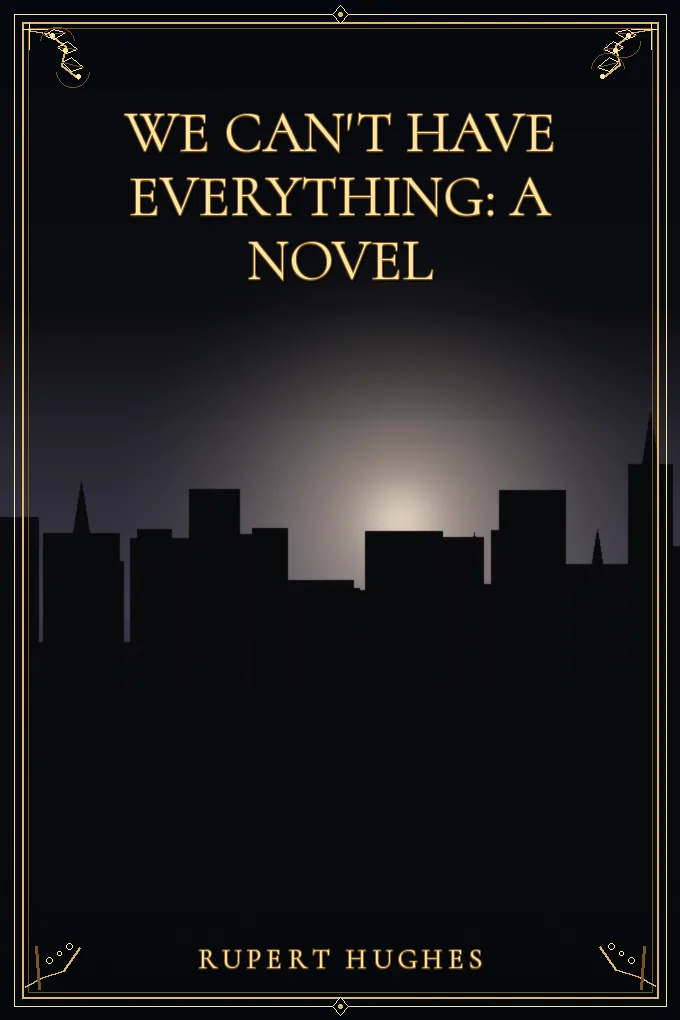
Cover illustration for We Can't Have Everything: A Novel
Context Illustration Reading 1/53 · 5 lines
English subtitles · tap any word to listen 1 / 5
Kedzie was alone.
She had sent her maid out to get some headache powders.
She had had a good cry when she reached home.

She had pondered her little brain into a kink, trying to figure out her campaign.
When she had a headache, or a cold, or a sleepless night, or a lethargy, she always put a powder in her stomach.
0:00 / 0:00
Speed 0.75x
AI-generated narration by OpenAI · Slow US English
LEARNER DICTIONARY
Archivist
/ˈɑːrkɪvɪst/
Editorial verification pending

A keeper or guardian of historical records and memories.

We Can't Have Everything: A Novel

Chapter XX · Chapter 20

Chapter 20 of We Can't Have Everything: A Novel is here in full — 266 sentences across 54 reading sections, with audio for every sentence and word.

Reading 1/53 · 5 reading units · Lines 1–5

Line 1
Kedzie was alone.
Line 2
She had sent her maid out to get some headache powders.
/ʃiː hæd sent hɜːr meɪd aʊt tuː ɡet sʌm ˈhedeɪk ˈpaʊdərz/
Line 3
She had had a good cry when she reached home.
/ʃiː hæd hæd ə ɡʊd kraɪ wen ʃiː riːtʃt hoʊm/
Line 4
She had pondered her little brain into a kink, trying to figure out her campaign.
Line 5
When she had a headache, or a cold, or a sleepless night, or a lethargy, she always put a powder in her stomach.
/wen ʃiː hæd ə ˈhedeɪk ɔːr ə koʊld ɔːr ə ˈsliːpləs naɪt ɔːr ə ˈleθərdʒi ʃiː ˈɔːlweɪz pʊt ə ˈpaʊdər ɪn hɜːr ˈstʌmək/

Learner Dictionary

These definitions explain words found in the current reading and keep every example grounded in its original sentence.

Oxford-style entry order: headword, part of speech, US IPA, concise definition, contextual example, and audio.

campaign noun US /kæmˈpeɪn/

a race between candidates for elective office

From this reading “She had pondered her little brain into a kink, trying to figure out her campaign.”

headache noun US /ˈhedeɪk/

something or someone that causes anxiety; a source of unhappiness

From this reading “She had sent her maid out to get some headache powders.”

lethargy noun US /ˈleθərdʒi/

a state of comatose torpor (as found in sleeping sickness)

From this reading “When she had a headache, or a cold, or a sleepless night, or a lethargy, she always put a powder in her stomach.”

pondered verb US /ˈpɑːndərd/

past form of “ponder” — reflect deeply on a subject

From this reading “She had pondered her little brain into a kink, trying to figure out her campaign.”

powder noun US /ˈpaʊdər/

a solid substance in the form of tiny loose particles; a solid that has been pulverized

From this reading “When she had a headache, or a cold, or a sleepless night, or a lethargy, she always put a powder in her stomach.”

powders noun US /ˈpaʊdərz/

plural of “powder” — a solid substance in the form of tiny loose particles; a solid that has been pulverized

From this reading “She had sent her maid out to get some headache powders.”

sleepless adjective US /ˈsliːpləs/

experiencing or accompanied by sleeplessness

From this reading “When she had a headache, or a cold, or a sleepless night, or a lethargy, she always put a powder in her stomach.”

stomach noun US /ˈstʌmək/

an enlarged and muscular saclike organ of the alimentary canal; the principal organ of digestion

From this reading “When she had a headache, or a cold, or a sleepless night, or a lethargy, she always put a powder in her stomach.”

All words in this reading · 38

Every word in these five lines is listed here, and every one of them can be played on its own.

Dictionary details are shown only when verified; these are not licensed Oxford entries.

adeterminerUS /ə/

used before a singular noun to mean one of a group, when it is not a particular one

From this reading She had had a good cry when she reached home.

aloneadjectiveUS /əˈloʊn/

Having no one else present.

From this reading Kedzie was alone.

alwaysadverbUS /ˈɔːlweɪz/

at all times; all the time and on every occasion

From this reading When she had a headache, or a cold, or a sleepless night, or a lethargy, she always put a powder in her stomach.

brainnounUS /breɪn/

that part of the central nervous system that includes all the higher nervous centers; enclosed within the skull; continuous with the spinal cord

From this reading She had pondered her little brain into a kink, trying to figure out her campaign.

campaignnounUS /kæmˈpeɪn/

a race between candidates for elective office

From this reading She had pondered her little brain into a kink, trying to figure out her campaign.

coldadjectiveUS /koʊld/

having a low or inadequate temperature or feeling a sensation of coldness or having been made cold by e.g. ice or refrigeration

From this reading When she had a headache, or a cold, or a sleepless night, or a lethargy, she always put a powder in her stomach.

cryverbUS /kraɪ/

utter a sudden loud cry

From this reading She had had a good cry when she reached home.

figurenounUS /ˈfɪɡjər/

a diagram or picture illustrating textual material

From this reading She had pondered her little brain into a kink, trying to figure out her campaign.

getverbUS /ɡet/

come into the possession of something concrete or abstract

From this reading She had sent her maid out to get some headache powders.

goodadjectiveUS /ɡʊd/

having desirable or positive qualities especially those suitable for a thing specified

From this reading She had had a good cry when she reached home.

hadauxiliary verbUS /hæd/

the past form of “have”, used to form the past perfect

From this reading She had sent her maid out to get some headache powders.

headachenounUS /ˈhedeɪk/

something or someone that causes anxiety; a source of unhappiness

From this reading She had sent her maid out to get some headache powders.

herdeterminerUS /hɜːr/

belonging to a woman, girl, or female animal already mentioned

From this reading She had sent her maid out to get some headache powders.

homenounUS /hoʊm/

where you live at a particular time

From this reading She had had a good cry when she reached home.

inprepositionUS /ɪn/

inside something, or within a place, period, or state

From this reading When she had a headache, or a cold, or a sleepless night, or a lethargy, she always put a powder in her stomach.

intoprepositionUS /ˈɪntuː/

moving to the inside of something

From this reading She had pondered her little brain into a kink, trying to figure out her campaign.

Kedzie

Dictionary entry pending editorial verification. Tap Listen to hear the word.

From this reading Kedzie was alone.

kinknoun

a painful muscle spasm especially in the neck or back (“rick” and “wrick” are British)

From this reading She had pondered her little brain into a kink, trying to figure out her campaign.

lethargynounUS /ˈleθərdʒi/

a state of comatose torpor (as found in sleeping sickness)

From this reading When she had a headache, or a cold, or a sleepless night, or a lethargy, she always put a powder in her stomach.

littleadjectiveUS /ˈlɪtəl/

limited or below average in number or quantity or magnitude or extent

From this reading She had pondered her little brain into a kink, trying to figure out her campaign.

maidnounUS /meɪd/

a female domestic

From this reading She had sent her maid out to get some headache powders.

nightnounUS /naɪt/

the time after sunset and before sunrise while it is dark outside

From this reading When she had a headache, or a cold, or a sleepless night, or a lethargy, she always put a powder in her stomach.

orconjunctionUS /ɔːr/

used to join alternatives or possibilities

From this reading When she had a headache, or a cold, or a sleepless night, or a lethargy, she always put a powder in her stomach.

outadjectiveUS /aʊt/

not allowed to continue to bat or run

From this reading She had sent her maid out to get some headache powders.

ponderedverbUS /ˈpɑːndərd/

past form of “ponder” — reflect deeply on a subject

From this reading She had pondered her little brain into a kink, trying to figure out her campaign.

powdernounUS /ˈpaʊdər/

a solid substance in the form of tiny loose particles; a solid that has been pulverized

From this reading When she had a headache, or a cold, or a sleepless night, or a lethargy, she always put a powder in her stomach.

powdersnounUS /ˈpaʊdərz/

plural of “powder” — a solid substance in the form of tiny loose particles; a solid that has been pulverized

From this reading She had sent her maid out to get some headache powders.

putverbUS /pʊt/

put into a certain place or abstract location

From this reading When she had a headache, or a cold, or a sleepless night, or a lethargy, she always put a powder in her stomach.

reachedverbUS /riːtʃt/

past form of “reach” — reach a destination, either real or abstract

From this reading She had had a good cry when she reached home.

sentnounUS /sent/

100 senti equal 1 kroon in Estonia

From this reading She had sent her maid out to get some headache powders.

ShepronounUS /ʃiː/

a woman, girl, or female animal already mentioned, as the subject

From this reading She had sent her maid out to get some headache powders.

sleeplessadjectiveUS /ˈsliːpləs/

experiencing or accompanied by sleeplessness

From this reading When she had a headache, or a cold, or a sleepless night, or a lethargy, she always put a powder in her stomach.

someadjectiveUS /sʌm/

(quantifier) used with either mass nouns or plural count nouns to indicate an unspecified number or quantity

From this reading She had sent her maid out to get some headache powders.

stomachnounUS /ˈstʌmək/

an enlarged and muscular saclike organ of the alimentary canal; the principal organ of digestion

From this reading When she had a headache, or a cold, or a sleepless night, or a lethargy, she always put a powder in her stomach.

toparticleUS /tuː/

used before the base form of a verb to make the infinitive

From this reading She had sent her maid out to get some headache powders.

tryingadjectiveUS /ˈtraɪɪŋ/

hard to endure

From this reading She had pondered her little brain into a kink, trying to figure out her campaign.

wasauxiliary verbUS /wɑːz/

the past form of “be” used with I, he, she, it, or a singular noun

From this reading Kedzie was alone.

whenconjunctionUS /wen/

at the time that

From this reading She had had a good cry when she reached home.

Chapter 20 of We Can't Have Everything: A Novel by Rupert Hughes holds 266 sentences, grouped into 54 reading sections of at most 5 sentences. The text is the source edition, unabridged, and the chapter records which sentences cover which part of the work so that nothing is dropped. Every word can be tapped for its pronunciation and dictionary entry.

What does chapter 20 of We Can't Have Everything: A Novel contain?

Chapter 20 holds 266 sentences of We Can't Have Everything: A Novel, unabridged, divided into 54 reading sections.

This page carries chapter 20 of We Can't Have Everything: A Novel by Rupert Hughes exactly as it stands in the source edition, without abridgement. It runs to 266 sentences, grouped into 54 sections of at most 5 sentences so that a reader can take the chapter in steady, finishable pieces. The chapter also stores a coverage record mapping every one of its sentences to a part of the work, which is how the edition demonstrates that no line was dropped.

How do I study chapter 20 of We Can't Have Everything: A Novel?

Work through the 54 sections in order, replaying any sentence and tapping unfamiliar words for their entries.

Each of the 54 sections in this chapter is short enough to read once, hear once, and then re-read with the vocabulary in view. Tapping a word plays it alone and opens its dictionary entry with IPA, part of speech and meaning, so the reader is never forced to guess a pronunciation from spelling. Working section by section keeps a long chapter from becoming an undifferentiated wall of text, which is the usual reason a reader abandons a work of this period.

Can chapter 20 be read aloud to me?

Yes — every sentence and every individual word in chapter 20 can be played aloud in United States English.

Audio covers the whole chapter: any sentence can be played, and any single word within it can be played on its own. The voice uses United States English. For a work of this period that matters, because spelling is an unreliable guide to pronunciation for vocabulary that has fallen out of daily use, and a learner who guesses wrong tends to keep the error. Hearing the word in its own sentence, and then alone, settles it.

Questions about reading We Can't Have Everything: A Novel

Common questions about reading We Can't Have Everything: A Novel by Rupert Hughes on this page, its source edition and its audio.

Is this the complete text of We Can't Have Everything: A Novel?

Yes. All 13105 sentences of Project Gutenberg eBook #7077 are kept, with a record of which sentences cover which part.

Which edition of We Can't Have Everything: A Novel is used?

Project Gutenberg eBook #7077, unabridged. The Project Gutenberg header, footer and licence are removed.

How long does We Can't Have Everything: A Novel take to read?

About 600 minutes of reading across 2621 sections of 5 sentences each, at an unhurried pace.

How to read We Can't Have Everything: A Novel section by section

How to work through We Can't Have Everything: A Novel section by section, using the audio and the tap-to-define vocabulary.

  1. Open a chapter

    Choose one of the 40 chapters of We Can't Have Everything: A Novel to begin.

  2. Read one section

    Each section holds 5 sentences; read it once through.

  3. Listen and tap

    Play the section aloud, then tap any unfamiliar word for its entry.

Vocabulary met early in We Can't Have Everything: A Novel

Words and structures a reader meets early in We Can't Have Everything: A Novel, each tappable for pronunciation and meaning.

Kedzie
A word that appears in the opening chapter of We Can't Have Everything: A Novel; the reader can tap it to hear it and see its dictionary entry.
Thropp
A word that appears in the opening chapter of We Can't Have Everything: A Novel; the reader can tap it to hear it and see its dictionary entry.
Never
A word that appears in the opening chapter of We Can't Have Everything: A Novel; the reader can tap it to hear it and see its dictionary entry.
Fifth
A word that appears in the opening chapter of We Can't Have Everything: A Novel; the reader can tap it to hear it and see its dictionary entry.