Complete classic literature • Five-line readings • Clear US narration
VELMORA ACADEMY
Academy of Archival Languages & Memory Studies
Menu Close
We Can't Have Everything: A Novel

Chapter XXXV · Chapter 35

Chapter 35 of We Can't Have Everything: A Novel is here in full — 404 sentences across 81 reading sections, with audio for every sentence and word.

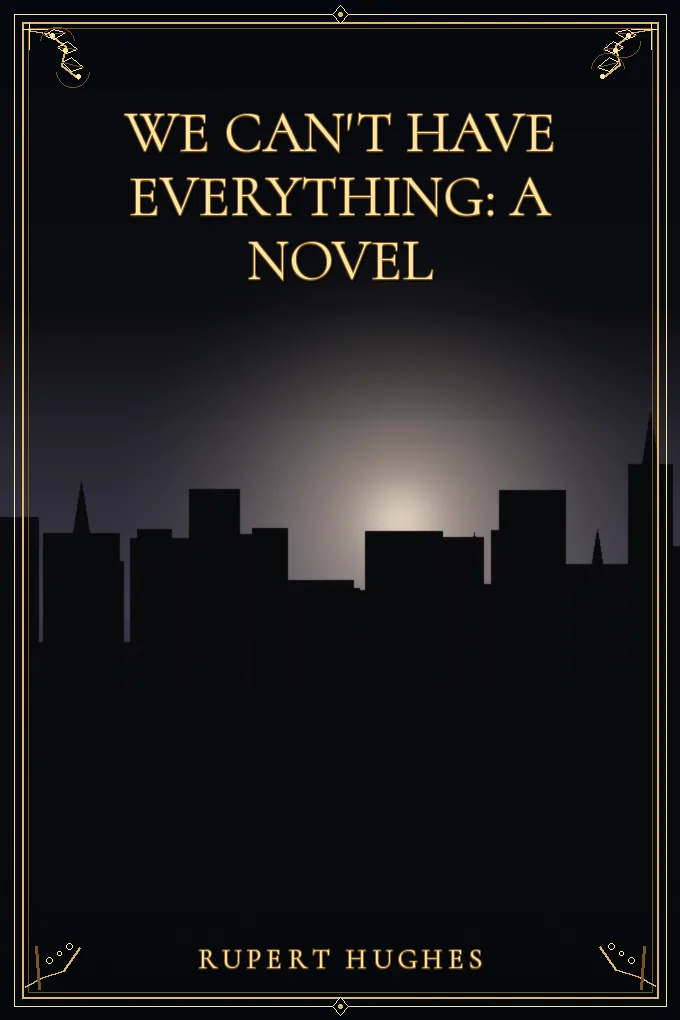
Cover illustration for We Can't Have Everything: A Novel
Context Illustration Reading 1/80 · 5 lines
English subtitles · tap any word to listen 1 / 5
The next day Kedzie was still cantankerous, as it was perfectly natural that she should be.
She wanted to be a Marchioness and sail away to the peerful sky.
And she could not cut free from her anchor.
The Marquess was winding up his propeller to fly alone.
Jim, finding her the poorest of company, called on his mother.
0:00 / 0:00
Speed 0.75x
AI-generated narration by OpenAI · Slow US English
LEARNER DICTIONARY
Archivist
/ˈɑːrkɪvɪst/
Editorial verification pending

A keeper or guardian of historical records and memories.

We Can't Have Everything: A Novel

Chapter XXXV · Chapter 35

Chapter 35 of We Can't Have Everything: A Novel is here in full — 404 sentences across 81 reading sections, with audio for every sentence and word.

Reading 1/80 · 5 reading units · Lines 1–5

Line 1
The next day Kedzie was still cantankerous, as it was perfectly natural that she should be.
Line 2
She wanted to be a Marchioness and sail away to the peerful sky.
Line 3
And she could not cut free from her anchor.
/ənd ʃiː kʊd nɑːt kʌt friː frʌm hɜːr ˈæŋkər/
Line 4
The Marquess was winding up his propeller to fly alone.
/ðə ˈmɑːrkwəs wɑːz ˈwaɪndɪŋ ʌp hɪz prəˈpelər tuː flaɪ əˈloʊn/
Line 5
Jim, finding her the poorest of company, called on his mother.

Learner Dictionary

These definitions explain words found in the current reading and keep every example grounded in its original sentence.

Oxford-style entry order: headword, part of speech, US IPA, concise definition, contextual example, and audio.

anchor noun US /ˈæŋkər/

a mechanical device that prevents a vessel from moving

From this reading “And she could not cut free from her anchor.”

cantankerous adjective US /kænˈtæŋkərəs/

stubbornly obstructive and unwilling to cooperate

From this reading “The next day Kedzie was still cantankerous, as it was perfectly natural that she should be.”

Marchioness noun US /ˈmɑːrʃənɪs/

the wife or widow of a marquis

From this reading “She wanted to be a Marchioness and sail away to the peerful sky.”

Marquess noun US /ˈmɑːrkwəs/

nobleman (in various countries) ranking above a count

From this reading “The Marquess was winding up his propeller to fly alone.”

poorest adjective US /ˈpuːrɪst/

superlative of “poor” — deserving or inciting pity

From this reading “Jim, finding her the poorest of company, called on his mother.”

propeller noun US /prəˈpelər/

a mechanical device that rotates to push against air or water

From this reading “The Marquess was winding up his propeller to fly alone.”

sail verb US /seɪl/

traverse or travel on (a body of water)

From this reading “She wanted to be a Marchioness and sail away to the peerful sky.”

winding adjective US /ˈwaɪndɪŋ/

marked by repeated turns and bends

From this reading “The Marquess was winding up his propeller to fly alone.”

All words in this reading · 46

Every word in these five lines is listed here, and every one of them can be played on its own.

Dictionary details are shown only when verified; these are not licensed Oxford entries.

adeterminerUS /ə/

used before a singular noun to mean one of a group, when it is not a particular one

From this reading She wanted to be a Marchioness and sail away to the peerful sky.

aloneadjectiveUS /əˈloʊn/

Having no one else present.

From this reading The Marquess was winding up his propeller to fly alone.

anchornounUS /ˈæŋkər/

a mechanical device that prevents a vessel from moving

From this reading And she could not cut free from her anchor.

andconjunctionUS /ənd/

used to join words or parts of a sentence that go together

From this reading She wanted to be a Marchioness and sail away to the peerful sky.

asconjunctionUS /æz/

at the same time that; because; in the way that

From this reading The next day Kedzie was still cantankerous, as it was perfectly natural that she should be.

awayadverbUS /əˈweɪ/

from a particular thing or place or position (“forth” is obsolete)

From this reading She wanted to be a Marchioness and sail away to the peerful sky.

beauxiliary verbUS /biː/

used with a past participle to form the passive, or with -ing for continuous tenses

From this reading The next day Kedzie was still cantankerous, as it was perfectly natural that she should be.

calledverbUS /kɔːld/

past form of “call” — assign a specified (usually proper) proper name to

From this reading Jim, finding her the poorest of company, called on his mother.

cantankerousadjectiveUS /kænˈtæŋkərəs/

stubbornly obstructive and unwilling to cooperate

From this reading The next day Kedzie was still cantankerous, as it was perfectly natural that she should be.

companynounUS /ˈkʌmpəniː/

an institution created to conduct business

From this reading Jim, finding her the poorest of company, called on his mother.

couldmodal verbUS /kʊd/

the past of “can”; used for possibility or polite requests

From this reading And she could not cut free from her anchor.

cutverbUS /kʌt/

separate with or as if with an instrument

From this reading And she could not cut free from her anchor.

daynounUS /deɪ/

time for Earth to make a complete rotation on its axis

From this reading The next day Kedzie was still cantankerous, as it was perfectly natural that she should be.

findingnounUS /ˈfaɪndɪŋ/

the act of determining the properties of something, usually by research or calculation

From this reading Jim, finding her the poorest of company, called on his mother.

flyverbUS /flaɪ/

travel through the air; be airborne

From this reading The Marquess was winding up his propeller to fly alone.

freeverbUS /friː/

grant freedom to; free from confinement

From this reading And she could not cut free from her anchor.

fromprepositionUS /frʌm/

showing where something starts, or who sent it

From this reading And she could not cut free from her anchor.

herdeterminerUS /hɜːr/

belonging to a woman, girl, or female animal already mentioned

From this reading And she could not cut free from her anchor.

hisdeterminerUS /hɪz/

belonging to a man, boy, or male animal already mentioned

From this reading The Marquess was winding up his propeller to fly alone.

itpronounUS /ɪt/

a thing, animal, or idea already mentioned

From this reading The next day Kedzie was still cantankerous, as it was perfectly natural that she should be.

Jim

Dictionary entry pending editorial verification. Tap Listen to hear the word.

From this reading Jim, finding her the poorest of company, called on his mother.

Kedzie

Dictionary entry pending editorial verification. Tap Listen to hear the word.

From this reading The next day Kedzie was still cantankerous, as it was perfectly natural that she should be.

MarchionessnounUS /ˈmɑːrʃənɪs/

the wife or widow of a marquis

From this reading She wanted to be a Marchioness and sail away to the peerful sky.

MarquessnounUS /ˈmɑːrkwəs/

nobleman (in various countries) ranking above a count

From this reading The Marquess was winding up his propeller to fly alone.

mothernounUS /ˈmʌðər/

a woman who has given birth to a child (also used as a term of address to your mother)

From this reading Jim, finding her the poorest of company, called on his mother.

naturaladjectiveUS /ˈnætʃərəl/

in accordance with nature; relating to or concerning nature

From this reading The next day Kedzie was still cantankerous, as it was perfectly natural that she should be.

nextadjectiveUS /nekst/

immediately following in time or order

From this reading The next day Kedzie was still cantankerous, as it was perfectly natural that she should be.

notadverbUS /nɑːt/

used to make a word, phrase, or sentence negative

From this reading And she could not cut free from her anchor.

ofprepositionUS /ʌv/

belonging to, or connected with, somebody or something

From this reading Jim, finding her the poorest of company, called on his mother.

onprepositionUS /ɑːn/

touching and supported by a surface

From this reading Jim, finding her the poorest of company, called on his mother.

peerful

Dictionary entry pending editorial verification. Tap Listen to hear the word.

From this reading She wanted to be a Marchioness and sail away to the peerful sky.

perfectlyadverbUS /ˈpɜːrfəktli/

completely and without qualification; used informally as intensifiers

From this reading The next day Kedzie was still cantankerous, as it was perfectly natural that she should be.

poorestadjectiveUS /ˈpuːrɪst/

superlative of “poor” — deserving or inciting pity

From this reading Jim, finding her the poorest of company, called on his mother.

propellernounUS /prəˈpelər/

a mechanical device that rotates to push against air or water

From this reading The Marquess was winding up his propeller to fly alone.

sailverbUS /seɪl/

traverse or travel on (a body of water)

From this reading She wanted to be a Marchioness and sail away to the peerful sky.

shepronounUS /ʃiː/

a woman, girl, or female animal already mentioned, as the subject

From this reading The next day Kedzie was still cantankerous, as it was perfectly natural that she should be.

shouldmodal verbUS /ʃʊd/

used to say what is right, expected, or advisable

From this reading The next day Kedzie was still cantankerous, as it was perfectly natural that she should be.

skynounUS /skaɪ/

the atmosphere and outer space as viewed from the earth

From this reading She wanted to be a Marchioness and sail away to the peerful sky.

stilladjectiveUS /stɪl/

not in physical motion

From this reading The next day Kedzie was still cantankerous, as it was perfectly natural that she should be.

thatconjunctionUS /ðæt/

used to introduce what somebody said, thought, or felt

From this reading The next day Kedzie was still cantankerous, as it was perfectly natural that she should be.

ThedeterminerUS /ðə/

used before a noun that is already known, already mentioned, or the only one of its kind

From this reading The next day Kedzie was still cantankerous, as it was perfectly natural that she should be.

toparticleUS /tuː/

used before the base form of a verb to make the infinitive

From this reading She wanted to be a Marchioness and sail away to the peerful sky.

upadjectiveUS /ʌp/

being or moving higher in position or greater in some value; being above a former position or level

From this reading The Marquess was winding up his propeller to fly alone.

wantedadjectiveUS /ˈwɔːntɪd/

desired or wished for or sought

From this reading She wanted to be a Marchioness and sail away to the peerful sky.

wasauxiliary verbUS /wɑːz/

the past form of “be” used with I, he, she, it, or a singular noun

From this reading The next day Kedzie was still cantankerous, as it was perfectly natural that she should be.

windingadjectiveUS /ˈwaɪndɪŋ/

marked by repeated turns and bends

From this reading The Marquess was winding up his propeller to fly alone.

Chapter 35 of We Can't Have Everything: A Novel by Rupert Hughes holds 404 sentences, grouped into 81 reading sections of at most 5 sentences. The text is the source edition, unabridged, and the chapter records which sentences cover which part of the work so that nothing is dropped. Every word can be tapped for its pronunciation and dictionary entry.

What does chapter 35 of We Can't Have Everything: A Novel contain?

Chapter 35 holds 404 sentences of We Can't Have Everything: A Novel, unabridged, divided into 81 reading sections.

This page carries chapter 35 of We Can't Have Everything: A Novel by Rupert Hughes exactly as it stands in the source edition, without abridgement. It runs to 404 sentences, grouped into 81 sections of at most 5 sentences so that a reader can take the chapter in steady, finishable pieces. The chapter also stores a coverage record mapping every one of its sentences to a part of the work, which is how the edition demonstrates that no line was dropped.

How do I study chapter 35 of We Can't Have Everything: A Novel?

Work through the 81 sections in order, replaying any sentence and tapping unfamiliar words for their entries.

Each of the 81 sections in this chapter is short enough to read once, hear once, and then re-read with the vocabulary in view. Tapping a word plays it alone and opens its dictionary entry with IPA, part of speech and meaning, so the reader is never forced to guess a pronunciation from spelling. Working section by section keeps a long chapter from becoming an undifferentiated wall of text, which is the usual reason a reader abandons a work of this period.

Can chapter 35 be read aloud to me?

Yes — every sentence and every individual word in chapter 35 can be played aloud in United States English.

Audio covers the whole chapter: any sentence can be played, and any single word within it can be played on its own. The voice uses United States English. For a work of this period that matters, because spelling is an unreliable guide to pronunciation for vocabulary that has fallen out of daily use, and a learner who guesses wrong tends to keep the error. Hearing the word in its own sentence, and then alone, settles it.

Questions about reading We Can't Have Everything: A Novel

Common questions about reading We Can't Have Everything: A Novel by Rupert Hughes on this page, its source edition and its audio.

Is this the complete text of We Can't Have Everything: A Novel?

Yes. All 13105 sentences of Project Gutenberg eBook #7077 are kept, with a record of which sentences cover which part.

Which edition of We Can't Have Everything: A Novel is used?

Project Gutenberg eBook #7077, unabridged. The Project Gutenberg header, footer and licence are removed.

How long does We Can't Have Everything: A Novel take to read?

About 600 minutes of reading across 2621 sections of 5 sentences each, at an unhurried pace.

How to read We Can't Have Everything: A Novel section by section

How to work through We Can't Have Everything: A Novel section by section, using the audio and the tap-to-define vocabulary.

  1. Open a chapter

    Choose one of the 40 chapters of We Can't Have Everything: A Novel to begin.

  2. Read one section

    Each section holds 5 sentences; read it once through.

  3. Listen and tap

    Play the section aloud, then tap any unfamiliar word for its entry.

Vocabulary met early in We Can't Have Everything: A Novel

Words and structures a reader meets early in We Can't Have Everything: A Novel, each tappable for pronunciation and meaning.

Kedzie
A word that appears in the opening chapter of We Can't Have Everything: A Novel; the reader can tap it to hear it and see its dictionary entry.
Thropp
A word that appears in the opening chapter of We Can't Have Everything: A Novel; the reader can tap it to hear it and see its dictionary entry.
Never
A word that appears in the opening chapter of We Can't Have Everything: A Novel; the reader can tap it to hear it and see its dictionary entry.
Fifth
A word that appears in the opening chapter of We Can't Have Everything: A Novel; the reader can tap it to hear it and see its dictionary entry.