Complete classic literature • Five-line readings • Clear US narration
VELMORA ACADEMY
Academy of Archival Languages & Memory Studies
Menu Close
We Can't Have Everything: A Novel

Chapter XXXVIII · Chapter 38

Chapter 38 of We Can't Have Everything: A Novel is here in full — 243 sentences across 49 reading sections, with audio for every sentence and word.

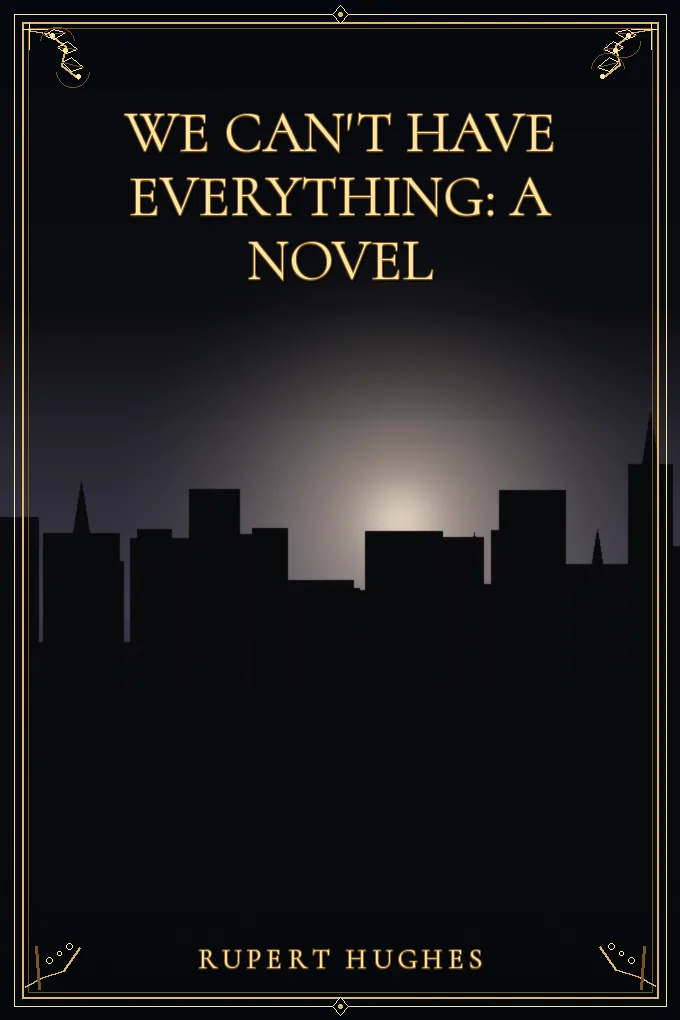
Cover illustration for We Can't Have Everything: A Novel
Context Illustration Reading 1/48 · 5 lines
English subtitles · tap any word to listen 1 / 5
Mrs. Charity Coe Cheever, take the stand....”
Ju swear tell tru thole tru noth buth tru thelpugod?”
I do.”
McNiven, in the direct examination, asked only such questions as Charity easily answered with proud denials of guilt.

Beattie began the cross-examination with a sneering scorn of her good faith.
0:00 / 0:00
Speed 0.75x
AI-generated narration by OpenAI · Slow US English
LEARNER DICTIONARY
Archivist
/ˈɑːrkɪvɪst/
Editorial verification pending

A keeper or guardian of historical records and memories.

We Can't Have Everything: A Novel

Chapter XXXVIII · Chapter 38

Chapter 38 of We Can't Have Everything: A Novel is here in full — 243 sentences across 49 reading sections, with audio for every sentence and word.

Reading 1/48 · 5 reading units · Lines 1–5

Line 1
Mrs. Charity Coe Cheever, take the stand....”
Line 2
Ju swear tell tru thole tru noth buth tru thelpugod?”
Line 3
I do.”
/aɪ duː/
Line 4
McNiven, in the direct examination, asked only such questions as Charity easily answered with proud denials of guilt.
Line 5
Beattie began the cross-examination with a sneering scorn of her good faith.

Learner Dictionary

These definitions explain words found in the current reading and keep every example grounded in its original sentence.

Oxford-style entry order: headword, part of speech, US IPA, concise definition, contextual example, and audio.

Charity noun US /ˈtʃerɪti/

a foundation created to promote the public good (not for assistance to any particular individuals)

From this reading ““Mrs. Charity Coe Cheever, take the stand....””

Cheever noun US /ˈtʃiːvər/

United States writer of novels and short stories (1912-1982)

From this reading ““Mrs. Charity Coe Cheever, take the stand....””

denials noun US /dɪˈnaɪəlz/

plural of “denial” — the act of refusing to comply (as with a request)

From this reading “McNiven, in the direct examination, asked only such questions as Charity easily answered with proud denials of guilt.”

examination noun US /ɪɡˌzæməˈneɪʃən/

the act of examining something closely (as for mistakes)

From this reading “McNiven, in the direct examination, asked only such questions as Charity easily answered with proud denials of guilt.”

guilt noun US /ɡɪlt/

the state of having committed an offense

From this reading “McNiven, in the direct examination, asked only such questions as Charity easily answered with proud denials of guilt.”

scorn noun US /skɔːrn/

lack of respect accompanied by a feeling of intense dislike

From this reading “Beattie began the cross-examination with a sneering scorn of her good faith.”

sneering adjective US /ˈsnɪrɪŋ/

expressive of contempt

From this reading “Beattie began the cross-examination with a sneering scorn of her good faith.”

thole noun US /θoʊl/

a holder attached to the gunwale of a boat that holds the oar in place and acts as a fulcrum for rowing

From this reading ““Ju swear tell tru thole tru noth buth tru thelpugod?””

All words in this reading · 42

Every word in these five lines is listed here, and every one of them can be played on its own.

Dictionary details are shown only when verified; these are not licensed Oxford entries.

adeterminerUS /ə/

used before a singular noun to mean one of a group, when it is not a particular one

From this reading Beattie began the cross-examination with a sneering scorn of her good faith.

answeredverbUS /ˈænsərd/

past form of “answer” — react verbally

From this reading McNiven, in the direct examination, asked only such questions as Charity easily answered with proud denials of guilt.

asconjunctionUS /æz/

at the same time that; because; in the way that

From this reading McNiven, in the direct examination, asked only such questions as Charity easily answered with proud denials of guilt.

askedverbUS /æskt/

past form of “ask” — make a request or demand for something to somebody

From this reading McNiven, in the direct examination, asked only such questions as Charity easily answered with proud denials of guilt.

Beattie

Dictionary entry pending editorial verification. Tap Listen to hear the word.

From this reading Beattie began the cross-examination with a sneering scorn of her good faith.

beganverbUS /bɪˈɡæn/

inflected form of “begin” — take the first step or steps in carrying out an action

From this reading Beattie began the cross-examination with a sneering scorn of her good faith.

buth

Dictionary entry pending editorial verification. Tap Listen to hear the word.

From this reading “Ju swear tell tru thole tru noth buth tru thelpugod?”

CharitynounUS /ˈtʃerɪti/

a foundation created to promote the public good (not for assistance to any particular individuals)

From this reading “Mrs. Charity Coe Cheever, take the stand....”

CheevernounUS /ˈtʃiːvər/

United States writer of novels and short stories (1912-1982)

From this reading “Mrs. Charity Coe Cheever, take the stand....”

Coe

Dictionary entry pending editorial verification. Tap Listen to hear the word.

From this reading “Mrs. Charity Coe Cheever, take the stand....”

cross-examinationnoun

(law) close questioning of a hostile witness in a court of law to discredit or throw a new light on the testimony already provided in direct examination

From this reading Beattie began the cross-examination with a sneering scorn of her good faith.

denialsnounUS /dɪˈnaɪəlz/

plural of “denial” — the act of refusing to comply (as with a request)

From this reading McNiven, in the direct examination, asked only such questions as Charity easily answered with proud denials of guilt.

directverbUS /dərˈekt/

command with authority

From this reading McNiven, in the direct examination, asked only such questions as Charity easily answered with proud denials of guilt.

doauxiliary verbUS /duː/

used to form questions and negatives, and to give emphasis

From this reading “I do.”

easilyadverbUS /ˈiːzəli/

with ease (“easy” is sometimes used informally for “easily”)

From this reading McNiven, in the direct examination, asked only such questions as Charity easily answered with proud denials of guilt.

examinationnounUS /ɪɡˌzæməˈneɪʃən/

the act of examining something closely (as for mistakes)

From this reading McNiven, in the direct examination, asked only such questions as Charity easily answered with proud denials of guilt.

faithnounUS /feɪθ/

a strong belief in a supernatural power or powers that control human destiny

From this reading Beattie began the cross-examination with a sneering scorn of her good faith.

goodadjectiveUS /ɡʊd/

having desirable or positive qualities especially those suitable for a thing specified

From this reading Beattie began the cross-examination with a sneering scorn of her good faith.

guiltnounUS /ɡɪlt/

the state of having committed an offense

From this reading McNiven, in the direct examination, asked only such questions as Charity easily answered with proud denials of guilt.

herdeterminerUS /hɜːr/

belonging to a woman, girl, or female animal already mentioned

From this reading Beattie began the cross-examination with a sneering scorn of her good faith.

IpronounUS /aɪ/

the person speaking or writing, as the subject of the verb

From this reading “I do.”

inprepositionUS /ɪn/

inside something, or within a place, period, or state

From this reading McNiven, in the direct examination, asked only such questions as Charity easily answered with proud denials of guilt.

Ju

Dictionary entry pending editorial verification. Tap Listen to hear the word.

From this reading “Ju swear tell tru thole tru noth buth tru thelpugod?”

McNiven

Dictionary entry pending editorial verification. Tap Listen to hear the word.

From this reading McNiven, in the direct examination, asked only such questions as Charity easily answered with proud denials of guilt.

MrsnounUS /ˈmɪsɪz/

a form of address for a married woman

From this reading “Mrs. Charity Coe Cheever, take the stand....”

noth

Dictionary entry pending editorial verification. Tap Listen to hear the word.

From this reading “Ju swear tell tru thole tru noth buth tru thelpugod?”

ofprepositionUS /ʌv/

belonging to, or connected with, somebody or something

From this reading McNiven, in the direct examination, asked only such questions as Charity easily answered with proud denials of guilt.

onlyadverbUS /ˈoʊnli/

and nothing more

From this reading McNiven, in the direct examination, asked only such questions as Charity easily answered with proud denials of guilt.

proudadjectiveUS /praʊd/

feeling self-respect or pleasure in something by which you measure your self-worth; or being a reason for pride

From this reading McNiven, in the direct examination, asked only such questions as Charity easily answered with proud denials of guilt.

questionsnounUS /ˈkwestʃənz/

plural of “question” — an instance of questioning

From this reading McNiven, in the direct examination, asked only such questions as Charity easily answered with proud denials of guilt.

scornnounUS /skɔːrn/

lack of respect accompanied by a feeling of intense dislike

From this reading Beattie began the cross-examination with a sneering scorn of her good faith.

sneeringadjectiveUS /ˈsnɪrɪŋ/

expressive of contempt

From this reading Beattie began the cross-examination with a sneering scorn of her good faith.

standverbUS /stænd/

be standing; be upright

From this reading “Mrs. Charity Coe Cheever, take the stand....”

suchdeterminerUS /sʌtʃ/

of the kind already mentioned

From this reading McNiven, in the direct examination, asked only such questions as Charity easily answered with proud denials of guilt.

swearverbUS /swer/

utter obscenities or profanities

From this reading “Ju swear tell tru thole tru noth buth tru thelpugod?”

takeverbUS /teɪk/

carry out

From this reading “Mrs. Charity Coe Cheever, take the stand....”

tellverbUS /tel/

express in words

From this reading “Ju swear tell tru thole tru noth buth tru thelpugod?”

thedeterminerUS /ðə/

used before a noun that is already known, already mentioned, or the only one of its kind

From this reading “Mrs. Charity Coe Cheever, take the stand....”

thelpugod

Dictionary entry pending editorial verification. Tap Listen to hear the word.

From this reading “Ju swear tell tru thole tru noth buth tru thelpugod?”

tholenounUS /θoʊl/

a holder attached to the gunwale of a boat that holds the oar in place and acts as a fulcrum for rowing

From this reading “Ju swear tell tru thole tru noth buth tru thelpugod?”

tru

Dictionary entry pending editorial verification. Tap Listen to hear the word.

From this reading “Ju swear tell tru thole tru noth buth tru thelpugod?”

withprepositionUS /wɪð/

in the company of; together with

From this reading McNiven, in the direct examination, asked only such questions as Charity easily answered with proud denials of guilt.

Chapter 38 of We Can't Have Everything: A Novel by Rupert Hughes holds 243 sentences, grouped into 49 reading sections of at most 5 sentences. The text is the source edition, unabridged, and the chapter records which sentences cover which part of the work so that nothing is dropped. Every word can be tapped for its pronunciation and dictionary entry.

What does chapter 38 of We Can't Have Everything: A Novel contain?

Chapter 38 holds 243 sentences of We Can't Have Everything: A Novel, unabridged, divided into 49 reading sections.

This page carries chapter 38 of We Can't Have Everything: A Novel by Rupert Hughes exactly as it stands in the source edition, without abridgement. It runs to 243 sentences, grouped into 49 sections of at most 5 sentences so that a reader can take the chapter in steady, finishable pieces. The chapter also stores a coverage record mapping every one of its sentences to a part of the work, which is how the edition demonstrates that no line was dropped.

How do I study chapter 38 of We Can't Have Everything: A Novel?

Work through the 49 sections in order, replaying any sentence and tapping unfamiliar words for their entries.

Each of the 49 sections in this chapter is short enough to read once, hear once, and then re-read with the vocabulary in view. Tapping a word plays it alone and opens its dictionary entry with IPA, part of speech and meaning, so the reader is never forced to guess a pronunciation from spelling. Working section by section keeps a long chapter from becoming an undifferentiated wall of text, which is the usual reason a reader abandons a work of this period.

Can chapter 38 be read aloud to me?

Yes — every sentence and every individual word in chapter 38 can be played aloud in United States English.

Audio covers the whole chapter: any sentence can be played, and any single word within it can be played on its own. The voice uses United States English. For a work of this period that matters, because spelling is an unreliable guide to pronunciation for vocabulary that has fallen out of daily use, and a learner who guesses wrong tends to keep the error. Hearing the word in its own sentence, and then alone, settles it.

Questions about reading We Can't Have Everything: A Novel

Common questions about reading We Can't Have Everything: A Novel by Rupert Hughes on this page, its source edition and its audio.

Is this the complete text of We Can't Have Everything: A Novel?

Yes. All 13105 sentences of Project Gutenberg eBook #7077 are kept, with a record of which sentences cover which part.

Which edition of We Can't Have Everything: A Novel is used?

Project Gutenberg eBook #7077, unabridged. The Project Gutenberg header, footer and licence are removed.

How long does We Can't Have Everything: A Novel take to read?

About 600 minutes of reading across 2621 sections of 5 sentences each, at an unhurried pace.

How to read We Can't Have Everything: A Novel section by section

How to work through We Can't Have Everything: A Novel section by section, using the audio and the tap-to-define vocabulary.

  1. Open a chapter

    Choose one of the 40 chapters of We Can't Have Everything: A Novel to begin.

  2. Read one section

    Each section holds 5 sentences; read it once through.

  3. Listen and tap

    Play the section aloud, then tap any unfamiliar word for its entry.

Vocabulary met early in We Can't Have Everything: A Novel

Words and structures a reader meets early in We Can't Have Everything: A Novel, each tappable for pronunciation and meaning.

Kedzie
A word that appears in the opening chapter of We Can't Have Everything: A Novel; the reader can tap it to hear it and see its dictionary entry.
Thropp
A word that appears in the opening chapter of We Can't Have Everything: A Novel; the reader can tap it to hear it and see its dictionary entry.
Never
A word that appears in the opening chapter of We Can't Have Everything: A Novel; the reader can tap it to hear it and see its dictionary entry.
Fifth
A word that appears in the opening chapter of We Can't Have Everything: A Novel; the reader can tap it to hear it and see its dictionary entry.