used before a singular noun to mean one of a group, when it is not a particular one
From this reading She was telling a visitor that she thought of calling the baby Annie, in honour of the visitor, but she had just been saying how much she loved white lilacs, and her husband had brought a branch of it over from a nearby village.
afterprepositionUS /ˈæftər/
later than; following
From this reading Unfortunately the father dies shortly after, and the mother has to bring the child up on her own.
(quantifier) used with either mass or count nouns to indicate the whole number or amount of or every one of a class
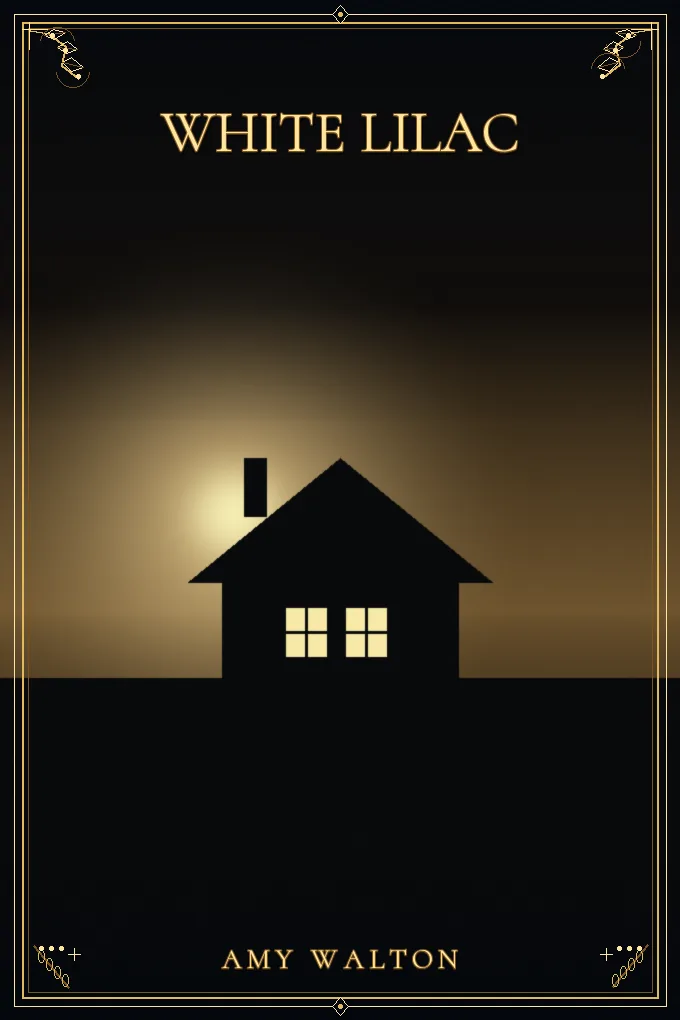
From this reading White Lilac, by Amy Walton ________________________________________________________________ Mrs White had had several children before the birth of this one, but they had all died.
prior to a specified or implied time
From this reading So the visitor said, call her Lilac White, as there were already too many Annie Whites in the village.
Amy
Dictionary entry pending editorial verification. Tap Listen to hear the word.
From this reading White Lilac, by Amy Walton ________________________________________________________________ Mrs White had had several children before the birth of this one, but they had all died.
used to join words or parts of a sentence that go together
From this reading She was telling a visitor that she thought of calling the baby Annie, in honour of the visitor, but she had just been saying how much she loved white lilacs, and her husband had brought a branch of it over from a nearby village.
Annie
Dictionary entry pending editorial verification. Tap Listen to hear the word.
From this reading She was telling a visitor that she thought of calling the baby Annie, in honour of the visitor, but she had just been saying how much she loved white lilacs, and her husband had brought a branch of it over from a nearby village.
at the same time that; because; in the way that
From this reading So the visitor said, call her Lilac White, as there were already too many Annie Whites in the village.
a very young child (birth to 1 year) who has not yet begun to walk or talk
From this reading She was telling a visitor that she thought of calling the baby Annie, in honour of the visitor, but she had just been saying how much she loved white lilacs, and her husband had brought a branch of it over from a nearby village.
beenauxiliary verbUS /bɪn/
the past participle of “be”
From this reading She was telling a visitor that she thought of calling the baby Annie, in honour of the visitor, but she had just been saying how much she loved white lilacs, and her husband had brought a branch of it over from a nearby village.
earlier than; in front of
From this reading White Lilac, by Amy Walton ________________________________________________________________ Mrs White had had several children before the birth of this one, but they had all died.
the time when something begins (especially life)
From this reading White Lilac, by Amy Walton ________________________________________________________________ Mrs White had had several children before the birth of this one, but they had all died.
a division of some larger or more complex organization
From this reading She was telling a visitor that she thought of calling the baby Annie, in honour of the visitor, but she had just been saying how much she loved white lilacs, and her husband had brought a branch of it over from a nearby village.
take something or somebody with oneself somewhere
From this reading Unfortunately the father dies shortly after, and the mother has to bring the child up on her own.
inflected form of “bring” — take something or somebody with oneself somewhere
From this reading She was telling a visitor that she thought of calling the baby Annie, in honour of the visitor, but she had just been saying how much she loved white lilacs, and her husband had brought a branch of it over from a nearby village.
used to introduce something that contrasts with what came before
From this reading White Lilac, by Amy Walton ________________________________________________________________ Mrs White had had several children before the birth of this one, but they had all died.
showing who or what does the action
From this reading White Lilac, by Amy Walton ________________________________________________________________ Mrs White had had several children before the birth of this one, but they had all died.
assign a specified (usually proper) proper name to
From this reading So the visitor said, call her Lilac White, as there were already too many Annie Whites in the village.
the particular occupation for which you are trained
From this reading She was telling a visitor that she thought of calling the baby Annie, in honour of the visitor, but she had just been saying how much she loved white lilacs, and her husband had brought a branch of it over from a nearby village.
a young person of either sex
From this reading Unfortunately the father dies shortly after, and the mother has to bring the child up on her own.
plural of “child” — a young person of either sex
From this reading White Lilac, by Amy Walton ________________________________________________________________ Mrs White had had several children before the birth of this one, but they had all died.
characterized by great determination
From this reading This makes her quite determined to make sure that this one survives.
past form of “die” — pass from physical life and lose all bodily attributes and functions necessary to sustain life
From this reading White Lilac, by Amy Walton ________________________________________________________________ Mrs White had had several children before the birth of this one, but they had all died.
diesnounUS /daɪz/
plural of “die” — a small cube with 1 to 6 spots on the six faces; used in gambling to generate random numbers
From this reading Unfortunately the father dies shortly after, and the mother has to bring the child up on her own.
a male parent (also used as a term of address to your father)
From this reading Unfortunately the father dies shortly after, and the mother has to bring the child up on her own.
showing where something starts, or who sent it
From this reading She was telling a visitor that she thought of calling the baby Annie, in honour of the visitor, but she had just been saying how much she loved white lilacs, and her husband had brought a branch of it over from a nearby village.
hadauxiliary verbUS /hæd/
the past form of “have”, used to form the past perfect
From this reading White Lilac, by Amy Walton ________________________________________________________________ Mrs White had had several children before the birth of this one, but they had all died.
hasauxiliary verbUS /hæz/
the form of “have” used with he, she, it, or a singular noun
From this reading Unfortunately the father dies shortly after, and the mother has to bring the child up on her own.
belonging to a woman, girl, or female animal already mentioned
From this reading This makes her quite determined to make sure that this one survives.
the state of being honored
From this reading She was telling a visitor that she thought of calling the baby Annie, in honour of the visitor, but she had just been saying how much she loved white lilacs, and her husband had brought a branch of it over from a nearby village.
how
Dictionary entry pending editorial verification. Tap Listen to hear the word.
From this reading She was telling a visitor that she thought of calling the baby Annie, in honour of the visitor, but she had just been saying how much she loved white lilacs, and her husband had brought a branch of it over from a nearby village.
a married man; a woman's partner in marriage
From this reading She was telling a visitor that she thought of calling the baby Annie, in honour of the visitor, but she had just been saying how much she loved white lilacs, and her husband had brought a branch of it over from a nearby village.
inside something, or within a place, period, or state
From this reading She was telling a visitor that she thought of calling the baby Annie, in honour of the visitor, but she had just been saying how much she loved white lilacs, and her husband had brought a branch of it over from a nearby village.
a thing, animal, or idea already mentioned
From this reading She was telling a visitor that she thought of calling the baby Annie, in honour of the visitor, but she had just been saying how much she loved white lilacs, and her husband had brought a branch of it over from a nearby village.
and nothing more
From this reading She was telling a visitor that she thought of calling the baby Annie, in honour of the visitor, but she had just been saying how much she loved white lilacs, and her husband had brought a branch of it over from a nearby village.
LilacnounUS /ˈlaɪlæk/
any of various plants of the genus Syringa having large panicles of usually fragrant flowers
From this reading White Lilac, by Amy Walton ________________________________________________________________ Mrs White had had several children before the birth of this one, but they had all died.
lilacsnounUS /ˈlaɪlæks/
plural of “lilac” — any of various plants of the genus Syringa having large panicles of usually fragrant flowers
From this reading She was telling a visitor that she thought of calling the baby Annie, in honour of the visitor, but she had just been saying how much she loved white lilacs, and her husband had brought a branch of it over from a nearby village.
held dear
From this reading She was telling a visitor that she thought of calling the baby Annie, in honour of the visitor, but she had just been saying how much she loved white lilacs, and her husband had brought a branch of it over from a nearby village.
engage in
From this reading This makes her quite determined to make sure that this one survives.
plural of “make” — a recognizable kind
From this reading This makes her quite determined to make sure that this one survives.
a quantifier that can be used with count nouns and is often preceded by “as” or “too” or “so” or “that”; amounting to a large but indefinite number
From this reading So the visitor said, call her Lilac White, as there were already too many Annie Whites in the village.
a woman who has given birth to a child (also used as a term of address to your mother)
From this reading Unfortunately the father dies shortly after, and the mother has to bring the child up on her own.
a form of address for a married woman
From this reading White Lilac, by Amy Walton ________________________________________________________________ Mrs White had had several children before the birth of this one, but they had all died.
to a great degree or extent
From this reading She was telling a visitor that she thought of calling the baby Annie, in honour of the visitor, but she had just been saying how much she loved white lilacs, and her husband had brought a branch of it over from a nearby village.
nearbyadjectiveUS /ˈnɪrˈbaɪ/
close at hand
From this reading She was telling a visitor that she thought of calling the baby Annie, in honour of the visitor, but she had just been saying how much she loved white lilacs, and her husband had brought a branch of it over from a nearby village.
belonging to, or connected with, somebody or something
From this reading White Lilac, by Amy Walton ________________________________________________________________ Mrs White had had several children before the birth of this one, but they had all died.
touching and supported by a surface
From this reading Unfortunately the father dies shortly after, and the mother has to bring the child up on her own.
used to mean any person in general, including the speaker
From this reading White Lilac, by Amy Walton ________________________________________________________________ Mrs White had had several children before the birth of this one, but they had all died.
overprepositionUS /ˈoʊvər/
above and across; more than
From this reading She was telling a visitor that she thought of calling the baby Annie, in honour of the visitor, but she had just been saying how much she loved white lilacs, and her husband had brought a branch of it over from a nearby village.
have ownership or possession of
From this reading Unfortunately the father dies shortly after, and the mother has to bring the child up on her own.
to a degree (not used with a negative)
From this reading This makes her quite determined to make sure that this one survives.
being the one previously mentioned or spoken of
From this reading So the visitor said, call her Lilac White, as there were already too many Annie Whites in the village.
a word or phrase that particular people use in particular situations
From this reading She was telling a visitor that she thought of calling the baby Annie, in honour of the visitor, but she had just been saying how much she loved white lilacs, and her husband had brought a branch of it over from a nearby village.
(used with count nouns) of an indefinite number more than 2 or 3 but not many
From this reading White Lilac, by Amy Walton ________________________________________________________________ Mrs White had had several children before the birth of this one, but they had all died.
a woman, girl, or female animal already mentioned, as the subject
From this reading She was telling a visitor that she thought of calling the baby Annie, in honour of the visitor, but she had just been saying how much she loved white lilacs, and her husband had brought a branch of it over from a nearby village.
for a short time
From this reading Unfortunately the father dies shortly after, and the mother has to bring the child up on her own.
for that reason; with the result that
From this reading So the visitor said, call her Lilac White, as there were already too many Annie Whites in the village.
having or feeling no doubt or uncertainty; confident and assured
From this reading This makes her quite determined to make sure that this one survives.
survivesverbUS /sərˈvaɪvz/
third-person singular of “survive” — continue to live and avoid dying
From this reading This makes her quite determined to make sure that this one survives.
disclosing unintentionally something concealed
From this reading She was telling a visitor that she thought of calling the baby Annie, in honour of the visitor, but she had just been saying how much she loved white lilacs, and her husband had brought a branch of it over from a nearby village.
used to introduce what somebody said, thought, or felt
From this reading This makes her quite determined to make sure that this one survives.
used before a noun that is already known, already mentioned, or the only one of its kind
From this reading White Lilac, by Amy Walton ________________________________________________________________ Mrs White had had several children before the birth of this one, but they had all died.
in or at that place or location
From this reading So the visitor said, call her Lilac White, as there were already too many Annie Whites in the village.
the people, animals, or things already mentioned, as the subject
From this reading White Lilac, by Amy Walton ________________________________________________________________ Mrs White had had several children before the birth of this one, but they had all died.
used for a person or thing that is near, or that has just been mentioned
From this reading White Lilac, by Amy Walton ________________________________________________________________ Mrs White had had several children before the birth of this one, but they had all died.
the content of cognition; the main thing you are thinking about
From this reading She was telling a visitor that she thought of calling the baby Annie, in honour of the visitor, but she had just been saying how much she loved white lilacs, and her husband had brought a branch of it over from a nearby village.
used before the base form of a verb to make the infinitive
From this reading This makes her quite determined to make sure that this one survives.
to a degree exceeding normal or proper limits
From this reading So the visitor said, call her Lilac White, as there were already too many Annie Whites in the village.
UnfortunatelyadverbUS /ənˈfɔːrtʃənətli/
by bad luck
From this reading Unfortunately the father dies shortly after, and the mother has to bring the child up on her own.
being or moving higher in position or greater in some value; being above a former position or level
From this reading Unfortunately the father dies shortly after, and the mother has to bring the child up on her own.
a community of people smaller than a town
From this reading She was telling a visitor that she thought of calling the baby Annie, in honour of the visitor, but she had just been saying how much she loved white lilacs, and her husband had brought a branch of it over from a nearby village.
someone who visits
From this reading She was telling a visitor that she thought of calling the baby Annie, in honour of the visitor, but she had just been saying how much she loved white lilacs, and her husband had brought a branch of it over from a nearby village.
WaltonnounUS /ˈwɔːltən/
English composer (1902-1983)
From this reading White Lilac, by Amy Walton ________________________________________________________________ Mrs White had had several children before the birth of this one, but they had all died.
wasauxiliary verbUS /wɑːz/
the past form of “be” used with I, he, she, it, or a singular noun
From this reading She was telling a visitor that she thought of calling the baby Annie, in honour of the visitor, but she had just been saying how much she loved white lilacs, and her husband had brought a branch of it over from a nearby village.
wereauxiliary verbUS /wɜːr/
the past form of “be” used with you, we, they, or a plural noun
From this reading So the visitor said, call her Lilac White, as there were already too many Annie Whites in the village.
a Caucasian
From this reading White Lilac, by Amy Walton ________________________________________________________________ Mrs White had had several children before the birth of this one, but they had all died.
WhitesnounUS /waɪts/
plural of “white” — a Caucasian
From this reading So the visitor said, call her Lilac White, as there were already too many Annie Whites in the village.