Complete classic literature • Five-line readings • Clear US narration
VELMORA ACADEMY
Academy of Archival Languages & Memory Studies
Menu Close
Who goes there?
Who goes there?

Chapter XXII · Chapter 22

Chapter 22 of Who goes there? is here in full — 406 sentences across 82 reading sections, with audio for every sentence and word.

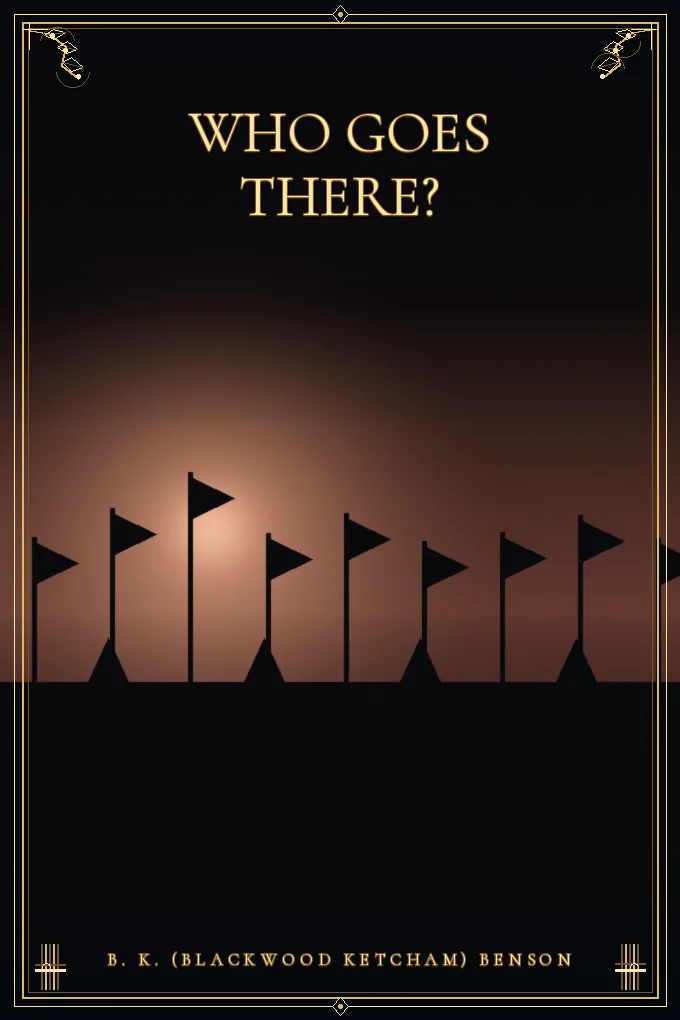
Cover illustration for Who goes there?
Context Illustration Reading 1/81 · 5 lines
English subtitles · tap any word to listen 1 / 5
After the ranks broke I went to the Captain.
He smiled at my approach.
"You deserved it, Jones; at least I think so.
I don't know the other men, and I do know you."
I stammered some reply, thanking him for his goodness toward me, and started to go away.
0:00 / 0:00
Speed 0.75x
AI-generated narration by OpenAI · Slow US English
LEARNER DICTIONARY
Archivist
/ˈɑːrkɪvɪst/
Editorial verification pending

A keeper or guardian of historical records and memories.

Who goes there?

Chapter XXII · Chapter 22

Chapter 22 of Who goes there? is here in full — 406 sentences across 82 reading sections, with audio for every sentence and word.

Reading 1/81 · 5 reading units · Lines 1–5

Line 1
After the ranks broke I went to the Captain.
/ˈæftər ðə ræŋks broʊk aɪ went tuː ðə ˈkæptən/
Line 2
He smiled at my approach.
/hiː smaɪld æt maɪ əˈproʊtʃ/
Line 3
"You deserved it, Jones; at least I think so.
/juː dɪˈzɜːrvd ɪt dʒoʊnz æt liːst aɪ θɪŋk soʊ/
Line 4
I don't know the other men, and I do know you."
Line 5
I stammered some reply, thanking him for his goodness toward me, and started to go away.

Learner Dictionary

These definitions explain words found in the current reading and keep every example grounded in its original sentence.

Oxford-style entry order: headword, part of speech, US IPA, concise definition, contextual example, and audio.

approach verb US /əˈproʊtʃ/

move towards

From this reading “He smiled at my approach.”

deserved adjective US /dɪˈzɜːrvd/

properly deserved

From this reading “"You deserved it, Jones; at least I think so.”

goodness noun US /ˈɡʊdnəs/

that which is pleasing or valuable or useful

From this reading “I stammered some reply, thanking him for his goodness toward me, and started to go away.”

Jones noun US /dʒoʊnz/

United States labor leader (born in Ireland) who helped to found the Industrial Workers of the World (1830-1930)

From this reading “"You deserved it, Jones; at least I think so.”

ranks noun US /ræŋks/

plural of “rank” — a row or line of people (especially soldiers or police) standing abreast of one another

From this reading “After the ranks broke I went to the Captain.”

reply noun US /rɪˈplaɪ/

a statement (either spoken or written) that is made to reply to a question or request or criticism or accusation

From this reading “I stammered some reply, thanking him for his goodness toward me, and started to go away.”

smiled verb US /smaɪld/

past form of “smile” — change one's facial expression by spreading the lips, often to signal pleasure

From this reading “He smiled at my approach.”

thanking verb US /ˈθæŋkɪŋ/

-ing form of “thank” — express gratitude or show appreciation to

From this reading “I stammered some reply, thanking him for his goodness toward me, and started to go away.”

All words in this reading · 39

Every word in these five lines is listed here, and every one of them can be played on its own.

Dictionary details are shown only when verified; these are not licensed Oxford entries.

AfterprepositionUS /ˈæftər/

later than; following

From this reading After the ranks broke I went to the Captain.

andconjunctionUS /ənd/

used to join words or parts of a sentence that go together

From this reading I don't know the other men, and I do know you."

approachverbUS /əˈproʊtʃ/

move towards

From this reading He smiled at my approach.

atprepositionUS /æt/

in or near a particular place or position

From this reading He smiled at my approach.

awayadverbUS /əˈweɪ/

from a particular thing or place or position (“forth” is obsolete)

From this reading I stammered some reply, thanking him for his goodness toward me, and started to go away.

brokeadjectiveUS /broʊk/

lacking funds

From this reading After the ranks broke I went to the Captain.

CaptainnounUS /ˈkæptən/

an officer holding a rank below a major but above a lieutenant

From this reading After the ranks broke I went to the Captain.

deservedadjectiveUS /dɪˈzɜːrvd/

properly deserved

From this reading "You deserved it, Jones; at least I think so.

doauxiliary verbUS /duː/

used to form questions and negatives, and to give emphasis

From this reading I don't know the other men, and I do know you."

don't

Dictionary entry pending editorial verification. Tap Listen to hear the word.

From this reading I don't know the other men, and I do know you."

forprepositionUS /fɔːr/

intended to be given to, or used by, somebody

From this reading I stammered some reply, thanking him for his goodness toward me, and started to go away.

goverbUS /ɡoʊ/

change location; move, travel, or proceed, also metaphorically

From this reading I stammered some reply, thanking him for his goodness toward me, and started to go away.

goodnessnounUS /ˈɡʊdnəs/

that which is pleasing or valuable or useful

From this reading I stammered some reply, thanking him for his goodness toward me, and started to go away.

HepronounUS /hiː/

a man, boy, or male animal already mentioned, as the subject

From this reading He smiled at my approach.

himpronounUS /hɪm/

the male already mentioned, as the object of a verb or preposition

From this reading I stammered some reply, thanking him for his goodness toward me, and started to go away.

hisdeterminerUS /hɪz/

belonging to a man, boy, or male animal already mentioned

From this reading I stammered some reply, thanking him for his goodness toward me, and started to go away.

IpronounUS /aɪ/

the person speaking or writing, as the subject of the verb

From this reading After the ranks broke I went to the Captain.

itpronounUS /ɪt/

a thing, animal, or idea already mentioned

From this reading "You deserved it, Jones; at least I think so.

JonesnounUS /dʒoʊnz/

United States labor leader (born in Ireland) who helped to found the Industrial Workers of the World (1830-1930)

From this reading "You deserved it, Jones; at least I think so.

knowverbUS /noʊ/

be cognizant or aware of a fact or a specific piece of information; possess knowledge or information about

From this reading I don't know the other men, and I do know you."

leastadjectiveUS /liːst/

the superlative of “little” that can be used with mass nouns and is usually preceded by “the”; a quantifier meaning smallest in amount or extent or degree

From this reading "You deserved it, Jones; at least I think so.

mepronounUS /miː/

the person speaking, as the object of a verb or preposition

From this reading I stammered some reply, thanking him for his goodness toward me, and started to go away.

mennounUS /men/

the force of workers available

From this reading I don't know the other men, and I do know you."

mydeterminerUS /maɪ/

belonging to the person speaking

From this reading He smiled at my approach.

otheradjectiveUS /ˈʌðər/

not the same one or ones already mentioned or implied

From this reading I don't know the other men, and I do know you."

ranksnounUS /ræŋks/

plural of “rank” — a row or line of people (especially soldiers or police) standing abreast of one another

From this reading After the ranks broke I went to the Captain.

replynounUS /rɪˈplaɪ/

a statement (either spoken or written) that is made to reply to a question or request or criticism or accusation

From this reading I stammered some reply, thanking him for his goodness toward me, and started to go away.

smiledverbUS /smaɪld/

past form of “smile” — change one's facial expression by spreading the lips, often to signal pleasure

From this reading He smiled at my approach.

soconjunctionUS /soʊ/

for that reason; with the result that

From this reading "You deserved it, Jones; at least I think so.

someadjectiveUS /sʌm/

(quantifier) used with either mass nouns or plural count nouns to indicate an unspecified number or quantity

From this reading I stammered some reply, thanking him for his goodness toward me, and started to go away.

stammered

Dictionary entry pending editorial verification. Tap Listen to hear the word.

From this reading I stammered some reply, thanking him for his goodness toward me, and started to go away.

startedverbUS /ˈstɑːrtɪd/

past form of “start” — take the first step or steps in carrying out an action

From this reading I stammered some reply, thanking him for his goodness toward me, and started to go away.

thankingverbUS /ˈθæŋkɪŋ/

-ing form of “thank” — express gratitude or show appreciation to

From this reading I stammered some reply, thanking him for his goodness toward me, and started to go away.

thedeterminerUS /ðə/

used before a noun that is already known, already mentioned, or the only one of its kind

From this reading After the ranks broke I went to the Captain.

thinkverbUS /θɪŋk/

judge or regard; look upon; judge

From this reading "You deserved it, Jones; at least I think so.

toparticleUS /tuː/

used before the base form of a verb to make the infinitive

From this reading After the ranks broke I went to the Captain.

towardprepositionUS /təˈwɔːrd/

in the direction of

From this reading I stammered some reply, thanking him for his goodness toward me, and started to go away.

wentverbUS /went/

inflected form of “go” — change location; move, travel, or proceed, also metaphorically

From this reading After the ranks broke I went to the Captain.

YoupronounUS /juː/

the person or people being spoken to

From this reading "You deserved it, Jones; at least I think so.

Chapter 22 of Who goes there? by B. K. (Blackwood Ketcham) Benson holds 406 sentences, grouped into 82 reading sections of at most 5 sentences. The text is the source edition, unabridged, and the chapter records which sentences cover which part of the work so that nothing is dropped. Every word can be tapped for its pronunciation and dictionary entry.

What does chapter 22 of Who goes there? contain?

Chapter 22 holds 406 sentences of Who goes there?, unabridged, divided into 82 reading sections.

This page carries chapter 22 of Who goes there? by B. K. (Blackwood Ketcham) Benson exactly as it stands in the source edition, without abridgement. It runs to 406 sentences, grouped into 82 sections of at most 5 sentences so that a reader can take the chapter in steady, finishable pieces. The chapter also stores a coverage record mapping every one of its sentences to a part of the work, which is how the edition demonstrates that no line was dropped.

How do I study chapter 22 of Who goes there??

Work through the 82 sections in order, replaying any sentence and tapping unfamiliar words for their entries.

Each of the 82 sections in this chapter is short enough to read once, hear once, and then re-read with the vocabulary in view. Tapping a word plays it alone and opens its dictionary entry with IPA, part of speech and meaning, so the reader is never forced to guess a pronunciation from spelling. Working section by section keeps a long chapter from becoming an undifferentiated wall of text, which is the usual reason a reader abandons a work of this period.

Can chapter 22 be read aloud to me?

Yes — every sentence and every individual word in chapter 22 can be played aloud in United States English.

Audio covers the whole chapter: any sentence can be played, and any single word within it can be played on its own. The voice uses United States English. For a work of this period that matters, because spelling is an unreliable guide to pronunciation for vocabulary that has fallen out of daily use, and a learner who guesses wrong tends to keep the error. Hearing the word in its own sentence, and then alone, settles it.

Questions about reading Who goes there?

Common questions about reading Who goes there? by B. K. (Blackwood Ketcham) Benson on this page, its source edition and its audio.

Is this the complete text of Who goes there??

Yes. All 10387 sentences of Project Gutenberg eBook #12229 are kept, with a record of which sentences cover which part.

Which edition of Who goes there? is used?

Project Gutenberg eBook #12229, unabridged. The Project Gutenberg header, footer and licence are removed.

How long does Who goes there? take to read?

About 600 minutes of reading across 2078 sections of 5 sentences each, at an unhurried pace.

How to read Who goes there? section by section

How to work through Who goes there? section by section, using the audio and the tap-to-define vocabulary.

  1. Open a chapter

    Choose one of the 26 chapters of Who goes there? to begin.

  2. Read one section

    Each section holds 5 sentences; read it once through.

  3. Listen and tap

    Play the section aloud, then tap any unfamiliar word for its entry.

Vocabulary met early in Who goes there?

Words and structures a reader meets early in Who goes there?, each tappable for pronunciation and meaning.

Memory
A word that appears in the opening chapter of Who goes there?; the reader can tap it to hear it and see its dictionary entry.
Shakespeare
A word that appears in the opening chapter of Who goes there?; the reader can tap it to hear it and see its dictionary entry.
Early
A word that appears in the opening chapter of Who goes there?; the reader can tap it to hear it and see its dictionary entry.
Childhood
A word that appears in the opening chapter of Who goes there?; the reader can tap it to hear it and see its dictionary entry.