used before a singular noun to mean one of a group, when it is not a particular one
From this reading A Huguenot settlement in the Derbyshire dales, in the middle of England, in the mid-nineteenth century.
the form of “a” used before a word that begins with a vowel sound
From this reading The artist falls down an old mine-shaft up in the hills, and the boys find him.
used to join words or parts of a sentence that go together
From this reading The Vicar's son, and the mill-owner's son are great friends.
areauxiliary verbUS /ɑːr/
the form of “be” used with you, we, they, or a plural noun
From this reading The Vicar's son, and the mill-owner's son are great friends.
a person whose creative work shows sensitivity and imagination
From this reading They become friends with a visiting artist, who is lodging in the house of one of the key-workers at the Mill, where they manufacture silk.
in or near a particular place or position
From this reading They become friends with a visiting artist, who is lodging in the house of one of the key-workers at the Mill, where they manufacture silk.
enter or assume a certain state or condition
From this reading They become friends with a visiting artist, who is lodging in the house of one of the key-workers at the Mill, where they manufacture silk.
plural of “boy” — a youthful male person
From this reading The artist falls down an old mine-shaft up in the hills, and the boys find him.
showing who or what does the action
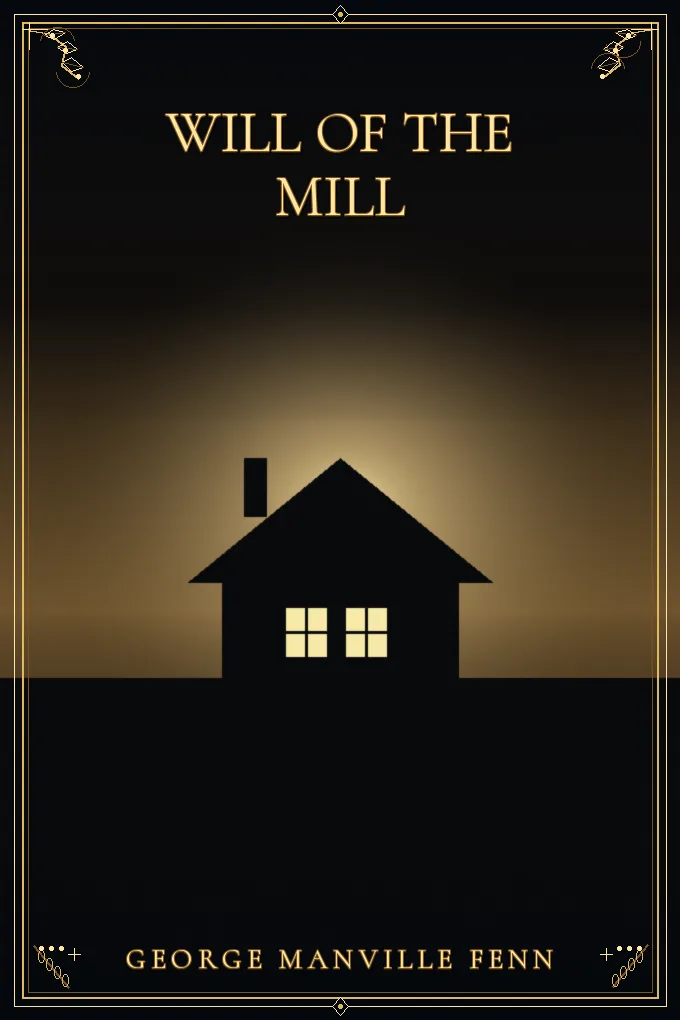
From this reading Will of the Mill, by George Manville Fenn.
a period of 100 years
From this reading A Huguenot settlement in the Derbyshire dales, in the middle of England, in the mid-nineteenth century.
dalesnounUS /deɪlz/
plural of “dale” — an open river valley (in a hilly area)
From this reading A Huguenot settlement in the Derbyshire dales, in the middle of England, in the mid-nineteenth century.
Derbyshire
Dictionary entry pending editorial verification. Tap Listen to hear the word.
From this reading A Huguenot settlement in the Derbyshire dales, in the middle of England, in the mid-nineteenth century.
being or moving lower in position or less in some value
From this reading The artist falls down an old mine-shaft up in the hills, and the boys find him.
a division of the United Kingdom
From this reading A Huguenot settlement in the Derbyshire dales, in the middle of England, in the mid-nineteenth century.
the petals or sepals of a flower that bend downward (especially the outer perianth of an iris)
From this reading The artist falls down an old mine-shaft up in the hills, and the boys find him.
Fenn
Dictionary entry pending editorial verification. Tap Listen to hear the word.
From this reading Will of the Mill, by George Manville Fenn.
come upon, as if by accident; meet with
From this reading The artist falls down an old mine-shaft up in the hills, and the boys find him.
plural of “friend” — a person you know well and regard with affection and trust
From this reading The Vicar's son, and the mill-owner's son are great friends.
Christian martyr; patron saint of England; hero of the legend of Saint George and the Dragon in which he slew a dragon and saved a princess (?-303)
From this reading Will of the Mill, by George Manville Fenn.
relatively large in size or number or extent; larger than others of its kind
From this reading The Vicar's son, and the mill-owner's son are great friends.
plural of “hill” — a local and well-defined elevation of the land
From this reading The artist falls down an old mine-shaft up in the hills, and the boys find him.
the male already mentioned, as the object of a verb or preposition
From this reading The artist falls down an old mine-shaft up in the hills, and the boys find him.
a dwelling that serves as living quarters for one or more families
From this reading They become friends with a visiting artist, who is lodging in the house of one of the key-workers at the Mill, where they manufacture silk.
HuguenotnounUS /ˈhjuːɡənɑːt/
a French Calvinist of the 16th or 17th centuries
From this reading A Huguenot settlement in the Derbyshire dales, in the middle of England, in the mid-nineteenth century.
inside something, or within a place, period, or state
From this reading A Huguenot settlement in the Derbyshire dales, in the middle of England, in the mid-nineteenth century.
the form of “be” used with he, she, it, or a singular noun
From this reading They become friends with a visiting artist, who is lodging in the house of one of the key-workers at the Mill, where they manufacture silk.
key-workers
Dictionary entry pending editorial verification. Tap Listen to hear the word.
From this reading They become friends with a visiting artist, who is lodging in the house of one of the key-workers at the Mill, where they manufacture silk.
lodgingnounUS /ˈlɑːdʒɪŋ/
structures collectively in which people are housed
From this reading They become friends with a visiting artist, who is lodging in the house of one of the key-workers at the Mill, where they manufacture silk.
manufactureverbUS /ˌmænjəˈfæktʃər/
put together out of artificial or natural components or parts
From this reading They become friends with a visiting artist, who is lodging in the house of one of the key-workers at the Mill, where they manufacture silk.
Manville
Dictionary entry pending editorial verification. Tap Listen to hear the word.
From this reading Will of the Mill, by George Manville Fenn.
mid-nineteenth
Dictionary entry pending editorial verification. Tap Listen to hear the word.
From this reading A Huguenot settlement in the Derbyshire dales, in the middle of England, in the mid-nineteenth century.
an area that is approximately central within some larger region
From this reading A Huguenot settlement in the Derbyshire dales, in the middle of England, in the mid-nineteenth century.
MillverbUS /mɪl/
move about in a confused manner
From this reading Will of the Mill, by George Manville Fenn.
mill-owner's
Dictionary entry pending editorial verification. Tap Listen to hear the word.
From this reading The Vicar's son, and the mill-owner's son are great friends.
mine-shaft
Dictionary entry pending editorial verification. Tap Listen to hear the word.
From this reading The artist falls down an old mine-shaft up in the hills, and the boys find him.
belonging to, or connected with, somebody or something
From this reading Will of the Mill, by George Manville Fenn.
(used especially of persons) having lived for a relatively long time or attained a specific age
From this reading The artist falls down an old mine-shaft up in the hills, and the boys find him.
used to mean any person in general, including the speaker
From this reading They become friends with a visiting artist, who is lodging in the house of one of the key-workers at the Mill, where they manufacture silk.
settlementnounUS /ˈsetəlmənt/
a body of people who settle far from home but maintain ties with their homeland; inhabitants remain nationals of their home state but are not literally under the home state's system of government
From this reading A Huguenot settlement in the Derbyshire dales, in the middle of England, in the mid-nineteenth century.
a fabric made from the fine threads produced by certain insect larvae
From this reading They become friends with a visiting artist, who is lodging in the house of one of the key-workers at the Mill, where they manufacture silk.
a male human offspring
From this reading The Vicar's son, and the mill-owner's son are great friends.
used before a noun that is already known, already mentioned, or the only one of its kind
From this reading Will of the Mill, by George Manville Fenn.
the people, animals, or things already mentioned, as the subject
From this reading They become friends with a visiting artist, who is lodging in the house of one of the key-workers at the Mill, where they manufacture silk.
being or moving higher in position or greater in some value; being above a former position or level
From this reading The artist falls down an old mine-shaft up in the hills, and the boys find him.
Vicar's
Dictionary entry pending editorial verification. Tap Listen to hear the word.
From this reading The Vicar's son, and the mill-owner's son are great friends.
visitingnounUS /ˈvɪzɪtɪŋ/
the activity of making visits
From this reading They become friends with a visiting artist, who is lodging in the house of one of the key-workers at the Mill, where they manufacture silk.
in or at the place that
From this reading They become friends with a visiting artist, who is lodging in the house of one of the key-workers at the Mill, where they manufacture silk.
which person or people
From this reading They become friends with a visiting artist, who is lodging in the house of one of the key-workers at the Mill, where they manufacture silk.
used to talk about the future, or about willingness
From this reading Will of the Mill, by George Manville Fenn.
in the company of; together with
From this reading They become friends with a visiting artist, who is lodging in the house of one of the key-workers at the Mill, where they manufacture silk.